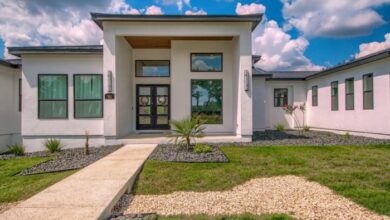
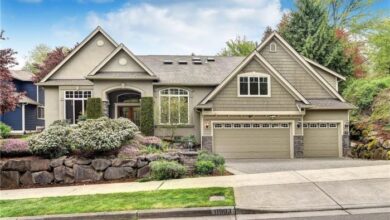
Types of Siding Materials
Siding options for home exteriors – When it comes to enhancing the exterior of your home, choosing the right siding material is crucial. Each type of siding comes with its unique characteristics that can greatly influence both the aesthetic appeal and the durability of your home. This guide explores the most popular siding materials, their maintenance requirements, and how they can impact your home’s value.
Vinyl Siding
Vinyl siding is one of the most popular choices among homeowners due to its affordability and low maintenance. It is made from PVC (polyvinyl chloride), making it resistant to moisture, insects, and rotting. With various colors and styles, vinyl siding can mimic the appearance of wood without the upkeep. Durability: Vinyl siding typically lasts 20 to 40 years, depending on the quality and installation.




It withstands harsh weather conditions effectively but can warp or crack under extreme temperatures.Maintenance: Minimal maintenance is required; regular cleaning with soap and water suffices. However, it may need replacement or touch-ups after significant impact damage.Aesthetic Appeal: Available in numerous colors and textures, vinyl siding can enhance curb appeal. It is also a cost-effective option, making it attractive for resale value.
Wood Siding
Wood siding offers a classic and timeless look that appeals to many homeowners. It can be crafted from various types of wood including cedar, pine, and redwood, each providing distinct aesthetics.Durability: While beautiful, wood siding is prone to issues such as rot, warping, and insect damage. With proper treatment and maintenance, it can last 30 years or more.Maintenance: Regular maintenance includes painting or staining every few years to protect against moisture and UV damage.
This can be a significant time investment.Aesthetic Appeal: Wood siding provides a warm and inviting look that can significantly raise the home’s market value, especially in neighborhoods where traditional aesthetics are valued.
Fiber Cement Siding
Fiber cement siding has gained popularity due to its excellent durability and resemblance to wood. Made from a mixture of cement, sand, and cellulose fibers, it is fire-resistant and does not attract termites.Durability: It can last over 50 years and withstand extreme weather conditions, making it a long-term investment. Fiber cement is resistant to warping, cracking, and fading.Maintenance: It requires minimal maintenance, needing only occasional cleaning and repainting every 10-15 years to maintain its appearance.Aesthetic Appeal: Available in various styles and finishes, fiber cement siding can mimic wood or even stucco, enhancing the overall value and appeal of a home.
Metal Siding
Metal siding, often made from aluminum or steel, is known for its strength and modern look. It is resistant to fire, rot, and insects, making it an appealing choice in various environments.Durability: Metal siding can last upwards of 40 years or more when properly maintained. It withstands harsh weather and does not warp or crack like other materials.Maintenance: While metal siding is low maintenance, it may require periodic painting to prevent rust and corrosion, especially in coastal areas.Aesthetic Appeal: Metal siding can give a contemporary and sleek appearance, which is increasingly valued in modern home designs, potentially enhancing property value.
Benefits of Various Siding Options
Choosing the right siding for your home is not just about aesthetics; it’s also about energy efficiency, environmental impact, and long-term cost savings. Understanding the benefits of various siding options can help homeowners make informed decisions that enhance their property’s value and sustainability.Insulated siding is designed to improve energy efficiency by providing an additional layer of thermal resistance. This type of siding reduces heat loss during winter and keeps your home cooler in the summer, leading to lower energy bills.
According to the U.S. Department of Energy, insulated siding can reduce energy consumption by up to 20%, a significant benefit for homeowners looking to save on heating and cooling costs.
Environmental Considerations for Eco-Friendly Siding Materials
When selecting siding materials, it is essential to consider their environmental impact. Eco-friendly siding options not only reduce your carbon footprint but also contribute to a healthier living environment. Here are several important aspects to contemplate:
- Renewable Resources: Many eco-friendly materials, such as bamboo and reclaimed wood, are sourced from sustainable practices, ensuring the preservation of forests and ecosystems.
- Recyclability: Materials like metal and fiber cement can often be recycled at the end of their lifespan, minimizing waste in landfills.
- Low VOC Emissions: Selecting siding with low volatile organic compounds (VOCs) helps improve indoor air quality and reduces harmful emissions that contribute to pollution.
- Energy Efficiency: Sustainable siding options typically offer better insulation properties, which can lower energy consumption and greenhouse gas emissions during the lifespan of the product.
Cost-Effectiveness of Various Siding Options Over Time
Investing in the right siding can yield significant cost savings over time. While the initial cost may vary, certain siding materials prove to be more beneficial in the long run. Here are key factors to consider when evaluating cost-effectiveness:
- Durability: Materials like fiber cement and vinyl are resistant to rot, decay, and insect damage, often lasting 30 years or more with minimal maintenance, thus saving on replacement costs.
- Maintenance Requirements: Some siding options require regular painting or sealing, while others, such as vinyl and metal, need little upkeep. Lower maintenance translates to reduced long-term expenses.
- Energy Savings: As mentioned earlier, insulated siding can significantly reduce heating and cooling costs, recovering its initial investment in just a few years through lower utility bills.
- Home Resale Value: High-quality siding can enhance the curb appeal and overall value of your home, potentially resulting in a higher resale price, which offsets the initial investment.
Installation Processes for Siding
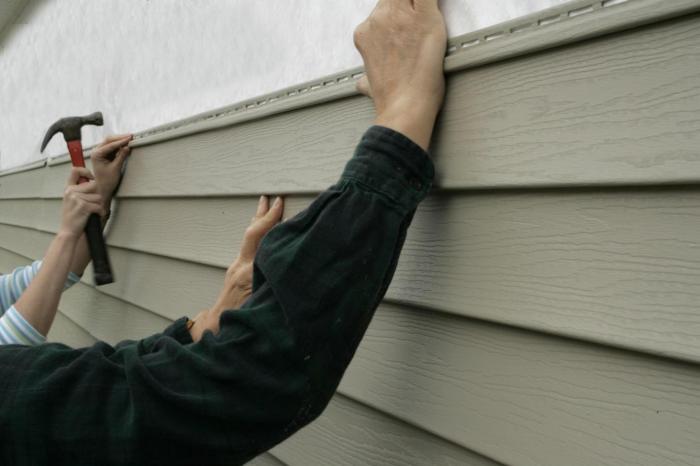
Source: googleusercontent.com
Installing siding on your home can significantly enhance its aesthetic appeal and protect it from the elements. Knowing the correct installation processes is essential for achieving a durable and professional finish. Below are the detailed steps involved in installing vinyl siding, the necessary tools, and a comparison of installation times for various siding materials.
Step-by-Step Process of Installing Vinyl Siding
The installation of vinyl siding can be broken down into several key stages. Understanding each step ensures a smooth installation process.
- Preparation: Start by measuring the exterior walls to determine the amount of siding needed. Remove any old siding and ensure the surface is clean and dry.
- Weather Barrier Installation: Apply a weather-resistant barrier to protect against moisture. This can include house wrap or foam sheathing.
- Install Starter Strips: Install starter strips along the bottom of the wall, ensuring they are level for the first row of siding.
- Cutting Siding Panels: Cut vinyl siding panels to fit the measurements of your wall. Make sure to leave expansion gaps as recommended by the manufacturer.
- Attach Panels: Begin attaching the panels from left to right, interlocking them with the starter strip. Use nails to secure the panels, ensuring they are not overdriven.
- Install J-channel: Install J-channel around windows, doors, and corners to give a finished look and to guide water away from the structure.
- Finishing Touches: Trim any excess vinyl and install corner posts. Finally, inspect the installation for any gaps or misalignments and adjust as necessary.
Tools Required for Proper Siding Installation
Using the right tools is crucial for a successful siding installation. The following tools will help ensure a professional finish while simplifying the process.The essential tools needed for installing siding include:
- Measuring Tape: For accurate measurements of the walls and siding panels.
- Level: To ensure that starter strips and panels are installed evenly.
- Utility Knife: For cutting vinyl siding to the required lengths.
- Nail Gun or Hammer: To securely attach the siding panels to the wall.
- Safety Gear: Goggles, gloves, and a dust mask to protect during installation.
- Scaffolding or Ladders: For reaching higher areas safely during installation.
Comparison Table of Installation Times for Different Siding Types, Siding options for home exteriors
Different siding materials come with varying installation times, which can influence your choice based on budget and scheduling. Below is a comparison of typical installation times for popular siding materials.
| Siding Type | Installation Time (per 1,000 sq. ft.) |
|---|---|
| Vinyl Siding | 1-2 days |
| Wood Siding | 2-4 days |
| Fiber Cement Siding | 3-5 days |
| Aluminum Siding | 1-3 days |
Note: Installation times can vary based on the complexity of the job, crew experience, and weather conditions.
Maintenance and Care for Home Siding: Siding Options For Home Exteriors
Proper maintenance and care for home siding is essential to ensure its longevity and aesthetic appeal. Different materials require varied approaches to upkeep, but regular attention can prevent major issues down the line. This section Artikels routine maintenance tasks specific to various siding materials, addresses common problems, and provides practical tips for effective cleaning and maintenance.
Routine Maintenance Tasks for Different Siding Materials
Maintaining your siding involves a combination of cleaning, inspection, and minor repairs. The following routine tasks should be performed depending on the type of siding material used:
- Vinyl Siding: Inspect for cracks and ensure that dirt and grime are washed away with a soft cloth and mild soap solution every six months.
- Wood Siding: Check for signs of rot or insect damage. Repaint or restain every 3-5 years to maintain its protective layer against moisture.
- Fiber Cement Siding: Look for cracks or gaps, and clean with a pressure washer at least once a year to prevent mold growth.
- Metal Siding: Inspect for rust and ensure it is cleaned with a mixture of soap and water annually to maintain its finish and prevent corrosion.
Common Issues and Solutions for Each Siding Type
Each siding material comes with its own set of issues that can arise over time. Understanding these problems and their solutions is key to preserving the integrity of your home’s exterior.
- Vinyl Siding: Common issues include warping and fading. If warping occurs, replace the affected panels. For fading, consider using UV-protective coatings.
- Wood Siding: Risks include rot and pest infestation. Treat with anti-fungal solutions and insect repellents, and replace damaged boards as needed.
- Fiber Cement Siding: Cracking can happen due to extreme weather. Fill cracks with appropriate caulk and paint to seal and protect.
- Metal Siding: Rust is a frequent concern. Remove rust with a wire brush and treat with rust-inhibiting primer before repainting.
Tips for Effective Cleaning and Maintenance
Keeping your siding clean not only enhances your home’s curb appeal but also extends its life. Follow these tips for effective maintenance:
- Use a soft brush or cloth for cleaning to avoid scratching surfaces.
- Always rinse siding thoroughly after cleaning to remove soap residues.
- Avoid harsh chemicals that can damage the siding finish; instead, opt for a mix of vinegar and water for natural cleaning.
- Inspect gutters and downspouts regularly to ensure proper water drainage, preventing water damage to siding.
“Regular maintenance is the key to long-lasting siding. A little effort goes a long way in preserving your home’s exterior.”
Climate Considerations in Siding Selection
Choosing the right siding for your home involves more than just aesthetics; climate plays a crucial role in determining the most suitable materials. Different weather conditions can impact the longevity, performance, and maintenance needs of siding options. Understanding how climate affects siding choices helps homeowners make informed decisions that enhance durability and efficiency.In regions with high humidity, such as coastal areas, it’s essential to select materials that can withstand moisture and resist rot.
On the other hand, dry climates, like those found in desert regions, require materials that can endure the heat and resist cracking. Selecting the appropriate siding not only protects your home but also improves energy efficiency and contributes to overall comfort.
Siding Materials for Various Climates
Different siding materials exhibit varying levels of performance based on climate conditions. It’s important to choose siding that aligns with the specific environmental challenges of your area. Here are examples of siding materials suited for humid and dry climates:
- Humid Climates:
- Vinyl Siding: Resistant to moisture and easy to maintain, making it ideal for humid regions.
- Fiber Cement: Durable and resistant to rot, suitable for areas with high humidity and rainfall.
- Wood Siding (with proper treatment): Can be used if treated with water-resistant finishes, though it requires regular maintenance.
- Dry Climates:
- Stucco: Excellent for dry, hot areas, as it reflects heat and provides good insulation.
- Metal Siding: Resilient against the elements; doesn’t warp and withstands extreme temperatures.
- Vinyl Siding: Also effective in dry climates, offering low maintenance and UV resistance.
Insulation Properties of Siding Options
The insulation properties of siding materials can significantly affect energy consumption and comfort levels within a home. Here is a table highlighting the insulation properties of various siding options under different weather conditions:
| Siding Material | Insulation Rating (R-Value) | Best Climate Conditions |
|---|---|---|
| Vinyl Siding | 3.0 – 4.0 | Humid and Dry |
| Fiber Cement | 3.0 – 5.0 | Humid |
| Wood Siding | 1.0 – 3.0 | Humid (with treatment) |
| Stucco | 2.0 – 4.0 | Dry |
| Metal Siding | 2.0 – 3.0 | Dry |
Selecting siding based on climate not only enhances durability but also improves energy efficiency and comfort.
Trends in Siding Design

Source: homecraftinc.com
As homeowners seek to enhance the curb appeal and overall aesthetic of their residences, contemporary siding design trends have emerged that reflect individual styles while also addressing functionality. From innovative materials to eye-catching color palettes, these trends not only improve appearances but also contribute to the durability and efficiency of homes. Understanding these trends allows homeowners to make informed decisions that align with their tastes and the neighborhoods they inhabit.
Contemporary Siding Designs Enhancing Curb Appeal
Modern siding designs often emphasize clean lines, textures, and mixed materials that create visual interest and depth. A popular trend involves the use of vertical siding, which can make a home appear taller and more elegant, breaking away from traditional horizontal patterns. Many homeowners are also turning to natural materials like wood or stone, combined with engineered options, to create a unique look that blends seamlessly with the surrounding environment.
For instance, a home featuring wood siding mixed with fiber cement panels can evoke a rustic yet contemporary feel, appealing to buyers who appreciate the charm of natural textures without sacrificing durability. Additionally, using large-format panels can create a streamlined appearance that adds a modern touch to the overall facade.
Color Trends in Siding Materials
Color plays a significant role in the perception and appeal of home exteriors. The current trend favors bold, rich colors that stand out in the neighborhood, such as deep blues, forest greens, and charcoal grays. These colors provide a strong contrast to traditional neutrals, allowing homes to make a statement. Moreover, the psychological effects of color are widely recognized. For example, blue is often associated with tranquility and stability, while green evokes a sense of harmony with nature.
Homeowners are increasingly embracing these associations when selecting siding colors to reflect their personal style while creating inviting atmospheres.
Rise of Mixed-Material Exteriors
The trend toward mixed-material exteriors is gaining traction as homeowners look for ways to express individuality while enhancing the functionality of their homes. Combining materials such as vinyl, wood, stone, and metal can create unique and customized looks that cater to diverse tastes. Incorporating elements like stone accents around windows or entryways alongside traditional siding adds character and depth, elevating a home’s visual appeal.
This approach not only allows for creative expression but also provides practical benefits, such as improved insulation and durability, depending on the materials selected. For example, a home featuring a combination of sleek metal siding with rustic wooden accents can blend modernity with traditional charm, creating a striking contrast that captivates the eye. As trends continue to evolve, homeowners are encouraged to explore these options to find the perfect balance of style, functionality, and personal expression in their siding choices.
Cost Analysis of Siding Options
When considering new siding for your home, understanding the financial implications is essential. This analysis will compare the upfront costs of various siding materials against their long-term savings, providing homeowners with a clearer picture of what to expect financially. Additionally, we’ll delve into installation costs and financing options that can ease the burden of replacing siding.
Upfront Costs Versus Long-Term Savings
Different siding materials come with varying price tags that can impact both initial investment and future savings. It’s important to analyze these costs to make an informed decision.
| Siding Material | Average Upfront Cost (per sq. ft.) | Estimated Lifespan (years) | Maintenance Costs (annual) | Long-Term Savings |
|---|---|---|---|---|
| Vinyl | $3 – $7 | 20 – 40 | $200 | Low maintenance and durable |
| Wood | $6 – $12 | 15 – 30 | $300 | Requires regular maintenance |
| Fiber Cement | $5 – $10 | 25 – 50 | $150 | Highly durable and low maintenance |
| Brick | $8 – $15 | 50+ | $100 | Very low maintenance costs |
“Investing in high-quality materials can save you money in the long run due to lower maintenance and replacement costs.”
Installation Costs for Each Siding Type
Installation expenses can vary significantly based on the siding material chosen and the complexity of the installation process. Understanding these costs is crucial for budgeting.
Vinyl Siding
Installation typically ranges from $1 to $2 per sq. ft., bringing total costs (including material) to about $4 to $9 per sq. ft.
Wood Siding
Labor costs are higher due to its intricacy, averaging $2 to $3 per sq. ft., resulting in a total of $8 to $15 per sq. ft.
Fiber Cement Siding
Installation costs about $1.50 to $2.50 per sq. ft., leading to totals around $6.50 to $12.50 per sq. ft.
Brick Siding
This option incurs the highest installation costs, usually between $3 to $5 per sq. ft., resulting in totals of $11 to $20 per sq. ft.
“Higher installation costs can often be offset by the durability and lower maintenance needs of premium siding materials.”
Financing Options for Siding Replacement
Homeowners considering siding replacement have several financing options available to make the investment more manageable. Understanding these can help ease the financial burden.
Personal Loans
Unsecured loans can be obtained from banks or credit unions, offering fixed interest rates and predictable monthly payments.
Home Equity Loans
Using the equity built in your home, homeowners can borrow against it at lower interest rates, often utilized for larger renovation costs.
Credit Cards
For smaller projects, some homeowners may opt to use credit cards with promotional periods offering 0% APR.
Siding Company Financing
Many contractors provide financing options or partnerships with lenders, making it convenient to secure funding directly through them.
“Exploring different financing avenues can significantly impact how easily you can transition to new siding.”
Local Regulations and Siding Choices
Navigating the world of home siding isn’t just about aesthetics and personal preference; local regulations play a significant role in what materials and styles are permissible. Each region may have specific zoning laws and guidelines that homeowners must adhere to, ensuring community standards and aesthetic harmony. Understanding these regulations can help streamline your siding project and prevent any legal complications.Zoning laws vary widely across different municipalities and can significantly affect the selection of siding materials.
These laws often dictate the types of materials you can use and may specify particular aesthetic requirements to maintain neighborhood character. For example, some areas may restrict siding to natural materials like wood or stone, while others might allow for synthetic options. Homeowners should always check with their local zoning office before beginning a siding project to ensure compliance.
Permits Required for Siding Installation
Before starting any siding installation, it’s crucial to understand the permits that may be required in your region. Obtaining the necessary permits not only ensures compliance with local laws but also protects your investment by ensuring the work is up to code. Here’s a quick overview of permit requirements in some regions:
- Urban Areas: Many urban areas require a building permit for any exterior renovations, including siding. This often involves submitting plans and obtaining inspections.
- Suburban Locations: In suburban neighborhoods, homeowners may need to submit an application for review by a homeowners’ association (HOA) if applicable, along with obtaining a permit from the local building department.
- Rural Areas: While rural regions may have fewer restrictions, it is still advisable to check for any local regulations that may apply, especially if the property is near a historic district.
Neighborhood Guidelines for Siding Aesthetics
Many neighborhoods have specific guidelines aimed at preserving the visual coherence and charm of the community. These guidelines can influence your siding choices in several ways. For instance, they might Artikel acceptable color palettes, textures, and even the type of materials that can be used. Some common aesthetic guidelines include:
- Color Restrictions: Certain neighborhoods may have restrictions on bright or non-traditional colors to maintain a cohesive look.
- Material Specifications: Homeowners may be required to use materials that are consistent with the architectural style of the neighborhood, such as wood or brick, rather than modern composites or vinyl.
- Design Compatibility: New siding must often match the general aesthetic of neighboring homes in terms of style and texture to ensure harmony within the community.
Understanding local regulations and neighborhood guidelines is essential for a successful siding project, protecting both your investment and community aesthetics.
Last Word

Source: carolineondesign.com
In summary, selecting the right siding options for home exteriors is a multifaceted decision that impacts your home’s appearance, efficiency, and long-term maintenance. By considering factors such as material durability, installation processes, and local regulations, you can find the perfect siding that suits both your personal style and functional needs. Ultimately, investing in quality siding will not only enhance your home’s curb appeal but also provide lasting value.
User Queries
What is the most durable siding material?
Fiber cement siding is often considered the most durable option, resistant to rot, pests, and harsh weather conditions.
How often should I replace my siding?
This depends on the material; for example, vinyl siding can last 20-40 years, while wood may need replacement sooner due to weathering and decay.
Can I install siding myself, or should I hire a professional?
While DIY installation is possible, hiring a professional can ensure better results and adherence to local building codes.
Are there eco-friendly siding options available?
Yes, options like reclaimed wood, bamboo, and fiber cement with recycled materials are considered more eco-friendly choices.
How do I prepare my home for siding installation?
Ensure the area is clear of furniture and debris, and check for any necessary repairs to your home’s structure before installation begins.