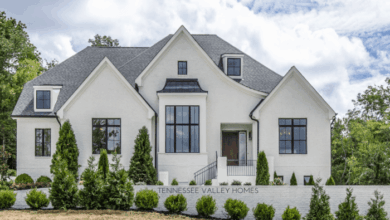
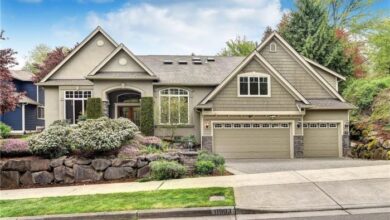
Overview of Rustic Home Exterior Designs
Rustic home exterior designs – Rustic home exterior design captures the essence of natural beauty and simplicity, embodying a warm, cozy aesthetic that reflects the charm of countryside living. Characterized by its use of raw materials and earthy tones, rustic designs create a welcoming atmosphere reminiscent of traditional homes. This style not only serves as a visual treat but also invites a sense of peace and connection to the natural world.Rustic exteriors typically encompass a variety of materials that highlight their raw and organic appeal.
Commonly used materials include wood, stone, and metal, each contributing to the overall warmth and inviting feel of the home. Wood, often left untreated or lightly finished, may be used for siding, beams, and decks, showcasing its natural grain and texture. Stone is frequently incorporated in foundations, fireplaces, and accent walls, adding a sturdy and timeless quality. Metal accents, such as roofing or fixtures, enhance durability while providing a modern twist to the traditional rustic style.
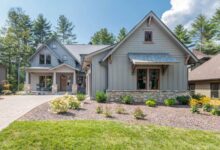
Materials Commonly Used in Rustic Exteriors
When selecting materials for rustic home exteriors, it is essential to prioritize options that harmonize with the natural surroundings. The following materials are frequently chosen for their aesthetic and functional properties:
- Wood: Often used for siding, decking, and structural elements, wood varieties like cedar and pine are popular due to their resistance to decay and insect damage.
- Stone: Found in various forms such as fieldstone, slate, and granite, stone is appreciated for its strength and visual appeal, often used in foundations and chimneys.
- Brick: Although not as common, brick can add a rustic touch, especially when paired with weathered or reclaimed varieties that showcase their age and history.
- Metal: Materials like corrugated steel or tin are often used for roofing and accents, providing durability and a contrasting texture to the softness of wood and stone.
Integrating natural elements into the design of rustic homes is crucial for achieving that quintessential charm and warmth. Elements such as landscaping, water features, and outdoor living spaces can enhance the rustic appeal, creating a seamless transition between the home and its environment. For instance, the use of native plants in gardens not only complements the home’s exterior but also promotes sustainability.
“Rustic design is about embracing the imperfections in nature, allowing the beauty of the materials themselves to shine.”
Additionally, features like large porches, wooden beams, and stone pathways can elevate the exterior design, creating inviting spaces for relaxation and social gatherings. The thoughtful combination of these elements not only enriches the visual landscape but also fosters a sense of community and belonging, making rustic homes cherished places for family and friends.
Popular Styles of Rustic Exteriors
Rustic home exteriors embody a cozy, natural aesthetic that resonates with warmth and character. These designs often draw inspiration from the surrounding environment, emphasizing handcrafted details and organic materials. As homeowners seek to infuse their living spaces with the charm of the countryside, several popular styles of rustic exteriors have emerged, each with its unique traits and influences.The three primary styles that stand out in rustic design are log cabins, farmhouses, and modern rustic homes.
Each of these styles offers distinct architectural features and materials that reflect regional influences and cultural heritage. Below, we delve into these popular styles, highlighting their characteristics and the aspects that differentiate them.
Log Cabins
Log cabins date back to early American settlers and remain a quintessential representation of rustic architecture. These homes are constructed from logs, often left in their natural state to showcase the wood’s texture and grain. They typically feature large, open spaces with exposed beams, stone fireplaces, and expansive porches that encourage interaction with nature. Log cabins are especially popular in wooded or mountainous areas, where the natural surroundings harmonize with the earthy aesthetics of the home.
The use of local timber not only enhances durability but also reflects a commitment to sustainable building practices.
Farmhouses
Farmhouses are steeped in history, representing the agricultural lifestyle and community spirit of rural living. Characterized by their gabled roofs, wrap-around porches, and spacious layouts, these homes prioritize functionality while maintaining a charming aesthetic. Key features often include wooden siding, large windows for ample natural light, and practical layouts that cater to a family-oriented lifestyle. Farmhouses are commonly found in pastoral settings, where they embody a sense of simplicity and connection to the land.
Modern Rustic
The modern rustic style blends contemporary design elements with traditional rustic aesthetics, creating a unique and appealing look. This style often incorporates clean lines, open floor plans, and mixed materials such as wood, metal, and glass. While it retains the cozy feel of rustic homes, modern rustic emphasizes minimalism and functionality. Large windows and sliding glass doors invite the outdoors in, making the home feel more connected to its surroundings.
The use of reclaimed materials is also common, showcasing sustainability in design.
| Style | Key Features | Common Materials | Regional Influences |
|---|---|---|---|
| Log Cabins | Exposed logs, stone fireplaces, open layouts | Logs, stone, natural finishes | Wooded, mountainous areas |
| Farmhouses | Gabled roofs, wrap-around porches, spacious interiors | Wood siding, metal roofing, large windows | Agricultural regions, countryside |
| Modern Rustic | Clean lines, mixed materials, open floor plans | Wood, metal, glass, reclaimed materials | Urban and suburban settings |
Regional influences significantly shape the aesthetics of rustic designs. For instance, in the Pacific Northwest, log cabins often showcase locally sourced timber and stone, while in the Midwest, farmhouses reflect a more traditional American agricultural style with practical design features. Modern rustic homes have emerged in urban areas, where elements of industrial design blend seamlessly with traditional rustic charm, illustrating the versatility of this style across different environments.
Rustic exteriors tell a story rooted in community and nature, harmonizing with their surroundings and bringing warmth to any landscape.
Color Palettes and Finishes
Choosing the right color palettes and finishes is essential for achieving an authentic rustic home exterior. Rustic designs often emphasize natural beauty and materials, so the colors and textures selected should reflect the environment and surrounding landscape. Earthy tones and organic finishes create harmony with nature, making your home feel welcoming and grounded.Ideal color schemes for rustic homes typically incorporate a mix of warm and cool tones that mimic the colors found in nature.
Earthy hues like browns, greens, and muted reds pair beautifully with stone and wood elements. Additionally, soft, weathered shades of blue or gray can add a touch of nostalgia while still maintaining the rustic aesthetic. Using wood stains and natural finishes can further enhance the charm, allowing the materials to shine through their natural textures.
Recommended Color Schemes
When selecting a color palette for rustic exteriors, consider these combinations that reflect the beauty of the outdoors. Each set of colors works harmoniously to create a cohesive look:
- Warm Earth Tones: Terracotta, rust, olive green, and cream create a warm, inviting exterior that blends seamlessly with nature.
- Cool Blues and Grays: Soft slate blue, weathered gray, and forest green give a serene and tranquil vibe, ideal for homes surrounded by trees.
- Neutral Sandstone Palette: Sandy beige, taupe, and soft whites provide a clean, understated backdrop that allows for decorative elements to shine.
- Rich Jewel Tones: Deep sapphire, emerald green, and garnet can be used as accent colors to add a bold touch to your rustic design.
Finishes that Enhance Rustic Appeal
The choice of finishes is crucial in amplifying the rustic charm of a home. Here are some examples of finishes that complement rustic design:
Wood Stains
Opt for natural wood stains that enhance the grain and texture of wood surfaces. Rich walnut or cedar stains can bring warmth while preserving the organic feel.
Stone Accents
Incorporating natural stone or stone veneer on your exterior walls contributes to a rugged, earthy appearance. Fieldstone or river rock are popular choices that blend beautifully with wood elements.
Weathered Paints
Utilizing paints that provide a textured, aged look can replicate the effect of time-worn materials. Chalk paints or mineral-based paints are perfect options for achieving this style.
Metal Accents
Rusted metals, such as corten steel or aged copper, can provide striking contrast to wooden structures while reinforcing the rustic aesthetic.
Recommended Paint Brands for Rustic Designs
When considering paint brands that align well with rustic exterior designs, quality and durability are paramount. Here are some recommended brands known for their superior finishes suitable for rustic homes:
- Benjamin Moore: Known for a wide array of colors and high-quality finishes, their Regal Select line offers excellent durability.
- Behr: The Premium Plus Ultra line provides great coverage and is formulated for long-lasting wear, perfect for outdoor applications.
- Sherwin-Williams: Their Emerald line is ideal for exteriors, offering a range of earthy colors with exceptional performance against the elements.
- Pittsburgh Paints: The Paramount line is a reliable choice for outdoor surfaces, providing a durable, weather-resistant finish.
Landscaping for Rustic Homes
Source: thehomeatlas.com
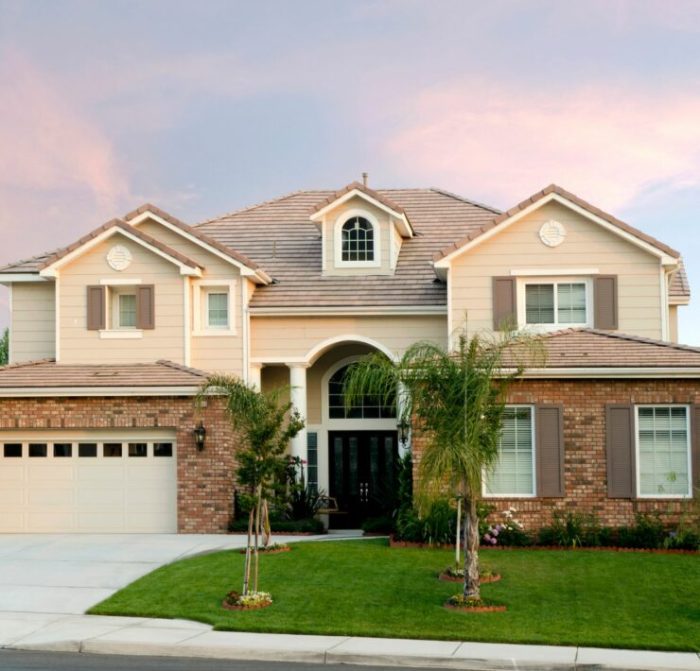
Landscaping plays a crucial role in enhancing the beauty and functionality of rustic homes. By carefully designing outdoor spaces that harmonize with the natural environment and architectural features, homeowners can create a welcoming and picturesque setting. The right landscaping choices can accentuate the rustic charm while providing practical benefits such as increased outdoor living space and improved biodiversity.Incorporating native plants into the landscape not only supports local wildlife but also ensures that the garden thrives with minimal maintenance.
Native plants are adapted to the local climate and soil conditions, making them an excellent choice for rustic homes situated in various environments. When selecting plants, it’s important to consider their growth habits, seasonal interest, and how they will interact with the existing landscape.
Design Landscaping Ideas for Rustic Architecture
Integrating landscaping that complements rustic architecture involves selecting elements that reflect the home’s design and surrounding environment. Start with these ideas:
- Natural Stone Pathways: Create meandering pathways using locally sourced stones. This enhances the rustic feel and encourages exploration of the garden.
- Meadow Gardens: A mix of wildflowers and grasses can evoke a natural meadow, which aligns beautifully with rustic aesthetics.
- Wooden Features: Incorporate wooden fences, pergolas, or trellises made from reclaimed wood to blend seamlessly with the home’s exterior.
- Fire Pits: Adding a stone fire pit surrounded by comfortable seating provides a cozy gathering spot, perfect for enjoying the outdoors.
- Water Features: A small pond or bubbling fountain can enhance tranquility and attract wildlife, adding life to the landscape.
Incorporate Native Plants in the Landscape
Using native plants is a smart approach for sustainable landscaping. These plants are naturally suited to the local climate, require less water and maintenance, and support local fauna. Here are some key aspects to consider:
- Research Local Flora: Begin by identifying plants native to your region. Resources such as local botanical gardens or extension services can provide guidance.
- Diverse Plant Selection: Choose a variety of plants that bloom at different times to ensure year-round interest and provide habitats for pollinators.
- Group Planting: Planting in clusters mimics natural ecosystems and creates a cohesive look in your garden.
- Soil Preparation: Native plants thrive in native soil. Assess your soil type and amend it only when necessary to maintain its natural qualities.
- Seasonal Maintenance: Familiarize yourself with the seasonal growth patterns to manage pruning and care effectively without disrupting the plant’s natural cycle.
Use of Outdoor Structures Like Porches and Decks
Outdoor structures are integral to rustic home landscaping, as they extend living spaces and connect the indoors with the outdoors. Here are some ideas for incorporating these structures:
- Front Porches: A spacious front porch with rustic seating provides a perfect spot for relaxation and socializing while enjoying the natural surroundings.
- Wraparound Decks: Consider a wraparound deck that seamlessly integrates with the landscape. This allows for multiple views of the property and encourages outdoor living.
- Rustic Gazebos: Constructing a gazebo using natural wood can create a shaded area for dining or lounging, adding an elegant touch to the garden.
- Built-in Seating: Incorporate built-in benches using stone or wood into your deck or patio areas, offering practical seating that blends with the landscape.
- Outdoor Cooking Areas: Design a functional outdoor kitchen or barbecue area that complements the home’s rustic architecture and provides a perfect setting for entertaining.
Sustainable Practices in Rustic Design
Source: hzcdn.com
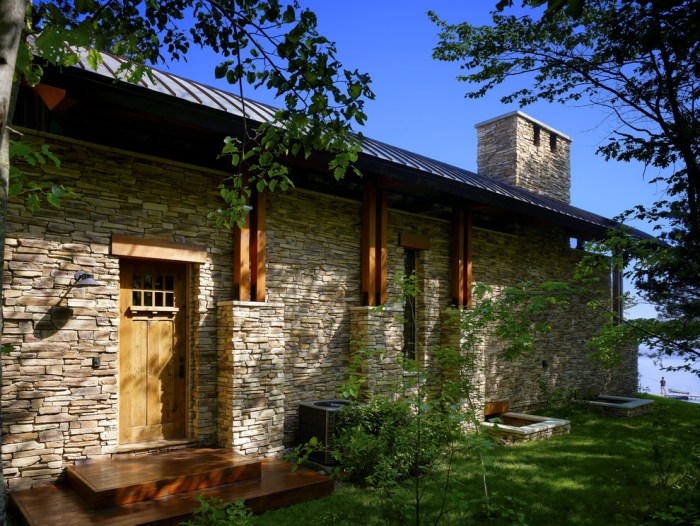
Incorporating sustainable practices in rustic home designs not only enhances the aesthetic appeal but also contributes to environmental conservation. The rustic style, with its emphasis on natural materials and earthy tones, lends itself well to eco-friendly principles. Homeowners can create spaces that are as sustainable as they are beautiful, ensuring that their rustic retreat has a minimal ecological footprint.The use of eco-friendly materials is a cornerstone of sustainable rustic design.
Selecting materials that are renewable, recycled, or sourced locally can significantly reduce the environmental impact of a home. Options such as reclaimed wood, stone, and adobe, which naturally blend with rustic aesthetics, are ideal for exterior applications. Furthermore, energy-efficient features that contribute to sustainability can be seamlessly integrated into rustic designs, enhancing comfort while conserving resources.
Eco-Friendly Materials and Energy-Efficient Features
When considering sustainable practices for rustic home exteriors, it’s essential to acknowledge the materials and energy solutions that align with this style. Here are some materials and features that can make a significant difference:
- Reclaimed Wood: Sourcing wood from old barns or other structures not only reduces waste but also adds character and history to the home.
- Natural Stone: Utilizing locally-sourced stone minimizes transportation emissions and provides a durable, low-maintenance exterior.
- Adobe or Rammed Earth: These materials offer excellent thermal mass, keeping homes cool in summer and warm in winter with less reliance on heating and cooling systems.
- Sustainable Insulation: Options like cellulose, which is made from recycled paper, or sheep’s wool can improve energy efficiency without compromising indoor air quality.
- Energy-Efficient Windows: Double or triple-glazed windows with low-emissivity coatings enhance insulation and reduce energy loss.
- Solar Panels: Incorporating solar technology helps harness renewable energy, making homes less dependent on fossil fuels.
- Green Roofs: Planting native vegetation on roofs can improve insulation, reduce stormwater runoff, and provide a habitat for local wildlife.
Incorporating these sustainable practices into the design of rustic homes not only supports environmental stewardship but also enhances the overall comfort and livability of the space. Thoughtfully chosen materials and energy-efficient features can create an inviting atmosphere while minimizing the ecological impact, making rustic homes a responsible choice for modern living.
Maintenance and Longevity
Maintaining the exterior of a rustic home is essential not only for aesthetics but also for ensuring longevity and structural integrity. The natural materials commonly used in rustic designs, like wood and stone, require specific care to withstand the elements and age gracefully. This guide provides tips for maintaining these materials, addressing common issues, and a seasonal checklist to keep rustic exteriors in top shape.
Maintenance Tips for Rustic Materials
The beauty of rustic exteriors lies in their natural materials, which can be prone to wear and tear if not properly cared for. Here are some essential maintenance tips:
- Wood: Regularly inspect wooden elements for signs of rot, insect infestation, or weathering. Apply a protective sealant every few years to prevent moisture damage and UV degradation.
- Stone: Clean stone surfaces periodically to prevent the buildup of dirt and moss. Use a gentle pressure washer or a stiff brush and water to avoid damaging the stone.
- Metal: For any metal fixtures, apply a rust-proof coating to prevent corrosion, particularly in areas with high humidity or precipitation.
- Paint and Stain: Touch up any chipped or faded paint or stain to maintain the look and protect the underlying material.
Common Issues and Solutions
Rustic exteriors can face a variety of issues over time. Here are some of the most common problems and their effective solutions:
- Moisture Damage: Regularly check for leaks or damp spots, especially around windows and doors. Repair any damaged seals and ensure proper drainage around the foundation.
- Insect Infestation: Wood-boring insects can be a major issue for wooden structures. Treat infestations promptly with appropriate pest control measures, such as insecticides or natural repellents.
- Cracked Mortar or Stone: Over time, mortar joints may crack, allowing moisture to seep in. Repointing the mortar with fresh material can restore integrity and appearance.
- Fading Colors: Natural color fades due to sun exposure. Use UV-resistant paints or stains to help retain vibrant colors over time.
Seasonal Maintenance Checklist
To ensure the longevity of rustic exteriors, a seasonal maintenance checklist is vital. Here’s a comprehensive list of tasks to tackle throughout the year:
- Spring:
- Inspect the roof for missing shingles or damage.
- Clean gutters and downspouts to ensure proper drainage.
- Check for any winter damage and address it promptly.
- Summer:
- Reapply protective sealant on wooden surfaces.
- Trim back overgrown vegetation to prevent moisture buildup against walls.
- Inspect for signs of insects and treat as necessary.
- Fall:
- Clean and store outdoor furniture to protect it over winter.
- Rake leaves and debris away from foundations and pathways.
- Inspect and repair any cracks in stone or mortar.
- Winter:
- Ensure proper insulation around windows and doors to prevent drafts.
- Clear snow from roofs and around the foundation to prevent ice dams.
- Check pipes and exterior plumbing for freezing issues.
“Proper maintenance not only enhances the beauty of rustic exteriors but significantly prolongs their lifespan.”
Innovative Rustic Elements
The allure of rustic home design lies in its connection to nature, warmth, and timeless craftsmanship. However, modern innovations are breathing new life into these traditional designs, creating a unique blend of old and new that enhances both functionality and aesthetic appeal. By incorporating innovative rustic elements, homeowners can enjoy the charm of rustic styles while benefiting from contemporary advancements.Modern twists on rustic designs can include the use of reclaimed materials paired with sleek, contemporary finishes.
For example, a traditional log cabin can be updated with large glass windows that provide panoramic views, merging the indoors with the outdoor landscape. Also, the integration of smart home technology allows homeowners to control heating, lighting, and security systems seamlessly, maintaining the rustic aesthetic while adding convenience.
Integration of Technology in Rustic Homes
The introduction of technology in rustic homes offers a range of possibilities that elevate the living experience without detracting from the charm of traditional designs. Smart home devices can be discreetly incorporated into the rustic framework, allowing for modern conveniences to coexist harmoniously with rustic features. Innovative technology can include:
- Smart Thermostats: These devices optimize energy efficiency by learning the homeowner’s habits and adjusting heating or cooling systems accordingly.
- Automated Lighting: Smart bulbs can be programmed for various moods, allowing homeowners to enjoy soft lighting that complements rustic wood interiors.
- Home Security Systems: Modern surveillance systems can be installed without sacrificing the aesthetic, using discreet cameras that blend in with the rustic architecture.
- Smart Appliances: Kitchen appliances can be integrated into rustic cabinetry with seamless designs, combining functionality and style.
Innovative Features Enhancing Functionality in Rustic Designs
To enhance the functionality of rustic designs, various innovative features can be implemented. These elements not only provide practical benefits but also maintain the aesthetic integrity of the home.Here is a table showcasing some innovative features that contribute to the functionality of rustic homes:
| Feature | Description |
|---|---|
| Open Floor Plans | Encourages a spacious feel, facilitating social interaction while highlighting rustic elements like exposed beams. |
| Multi-Functional Spaces | Designs include areas that serve multiple purposes, like a living room that transforms into a home office or guest space. |
| Energy-Efficient Windows | Modern windows designed to preserve the rustic look while providing insulation and energy savings. |
| Rainwater Harvesting Systems | Incorporates sustainable practices by collecting rainwater for irrigation, combining rustic charm with environmental responsibility. |
The marriage of rustic design with innovative elements results in homes that are not only visually appealing but also highly functional, providing a comfortable living environment that meets the demands of modern lifestyles.
Inspiring Rustic Home Exteriors
Rustic home exteriors are captivating, offering a blend of charm and natural beauty that reflects a strong connection to the environment. Various notable designs have emerged, showcasing how architecture can harmonize with the surrounding landscape and climate. By examining these inspiring examples, we can appreciate the creativity and thoughtfulness that goes into crafting these unique homes.The influence of local climate on rustic home design is significant.
In regions with heavy snowfall, homes often feature steep roofs and deep eaves to prevent snow accumulation, while warmer areas may lean towards shaded porches and open-air designs that encourage airflow. Understanding these elements can inspire potential homeowners to consider how their environment affects their design choices.
Case Studies of Notable Rustic Home Exteriors
Several standout examples of rustic home exteriors illustrate the variety of styles and their adaptation to local climates:
1. Mountain Retreat in Colorado
This home features a blend of stone and timber, reflecting the rugged Rocky Mountain landscape. With a sloped roof designed to mitigate snow load and expansive windows that welcome sunlight, this design embodies both functionality and aesthetic appeal.
2. Farmhouse in the Midwest
A classic white clapboard exterior combined with a wrap-around porch provides a nostalgic charm. The home’s design includes deep overhangs that offer shade during hot summers and large, insulated windows for warmth in winter.
3. Seaside Cottage in Maine
Built with weathered shingles and driftwood accents, this rustic home is designed to withstand coastal storms. The open layout and large decks create a seamless transition between indoor and outdoor living, ideal for enjoying the ocean views.
4. Desert Oasis in Arizona
Featuring adobe walls and a flat roof, this home is perfectly suited for the arid climate. The use of earthy tones and natural materials allows it to blend into the desert landscape while providing an inviting atmosphere.
Design Inspirations Based on Different Locales, Rustic home exterior designs
The following list highlights rustic design inspirations tailored to various locales, showcasing how geography can shape architectural style:
Northern Forests
Homes here often utilize locally sourced timber and stone, featuring large fireplaces and expansive porches to enjoy the natural surroundings.
Southern Countryside
Designs in this region typically embrace wide, open spaces with expansive verandas and classic materials such as brick or wood to create a welcoming atmosphere.
Mountainous Areas
Rustic homes often integrate elements like exposed beams and large windows to capture breathtaking views while using durable materials to withstand the elements.
Coastal Regions
Homes are often designed with light colors and natural materials like wood and stone, incorporating large decks and airy spaces to encourage outdoor living and appreciation of the sea.
Rural Plains
Characteristics such as barn-style doors and expansive fields around the home highlight the simplicity and functionality of the design, often featuring large open layouts.Inspiration can be drawn from these examples and locales, where the blend of nature and architecture creates stunning rustic homes that are both beautiful and practical.
Conclusion
Source: architectureartdesigns.com
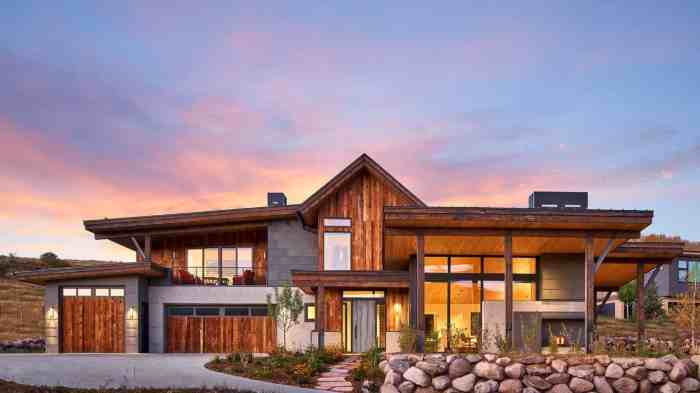
In summary, rustic home exterior designs are not just about aesthetics; they embody a lifestyle that cherishes the charm of simplicity and the allure of the natural world. By incorporating sustainable materials, thoughtful landscaping, and innovative design elements, homeowners can create timeless exteriors that stand the test of time. Whether you’re inspired by the ruggedness of a log cabin or the elegance of a modern rustic style, there are endless possibilities to explore in bringing your rustic vision to life.
FAQ Corner
What are the key characteristics of rustic home exteriors?
Rustic home exteriors typically feature natural materials, earthy colors, and organic shapes that blend seamlessly with the surrounding landscape.
Which materials are best for rustic home exteriors?
Common materials include wood, stone, and metal, with an emphasis on reclaimed or sustainably sourced options to enhance the rustic feel.
How can I incorporate natural elements into my design?
Consider adding stone accents, wooden beams, and landscaping that features native plants to create a cohesive natural aesthetic.
Are there specific color palettes for rustic homes?
Ideal color schemes often consist of earth tones like browns, greens, and warm neutrals that reflect the surrounding nature.
What landscaping ideas complement rustic architecture?
Integrate native plants, natural stone pathways, and outdoor structures like porches and decks to enhance the rustic appeal of your home.