Current Trends in Modern Interior Design
Modern interior design ideas – The world of interior design is ever-evolving, with new trends influencing how spaces are conceived and executed. For 2023, modern interior design reflects a blend of aesthetics, functionality, and sustainability, creating environments that are not only beautiful but also practical and environmentally conscious. Below, we explore the top five trends that are shaping contemporary interiors, as well as the significant influence of technology and sustainable materials in design.
Top Five Modern Interior Design Trends
Understanding the latest trends is essential for anyone looking to refresh their living or workspace. The following trends are particularly noteworthy this year:





- Biophilic Design: Incorporating nature into interiors has become a hallmark of modern design. This involves using natural materials, plants, and natural light to create calming and restorative environments.
- Minimalism with Warmth: Minimalist design continues to be popular, but with a warmer approach. This trend focuses on creating inviting spaces through soft textures and colors, emphasizing comfort while maintaining simplicity.
- Multifunctional Spaces: With remote work and smaller living spaces on the rise, interiors are increasingly designed to serve multiple purposes, often integrating areas for work, relaxation, and socialization within the same footprint.
- Bold Colors and Patterns: A shift towards bolder colors and patterns is evident in modern interiors. Jewel tones and unique prints are used to create focal points and express personality in a space.
- Vintage and Retro Elements: Mixing modern designs with vintage pieces adds character and warmth. Retro furnishings, art, and accessories are being incorporated to give spaces a timeless feel.
Impact of Technology on Modern Interior Design
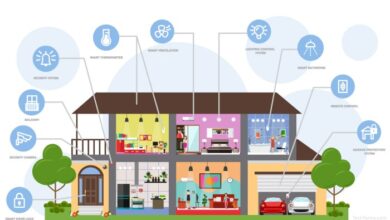
Technology is reshaping the way we design and experience our living spaces. Smart home technologies, such as automated lighting, temperature control, and integrated sound systems, enhance convenience and functionality in modern interiors. Virtual reality (VR) and augmented reality (AR) tools are revolutionizing the design process, allowing designers and clients to visualize spaces before implementation.
“Technology not only streamlines the design process but also transforms the way occupants interact with their environment.”
For instance, smart mirrors can provide lighting adjustments and display news or weather updates, while app-controlled appliances can optimize energy usage, contributing to both comfort and sustainability.
Sustainable Materials in Contemporary Spaces
Sustainability has become a core principle of modern interior design, with an increasing focus on using eco-friendly materials. This trend reflects a growing awareness of environmental issues and a desire for healthier living spaces. Some examples of sustainable materials making waves in contemporary designs include:
- Bamboo: Renowned for its rapid growth and renewability, bamboo is used in flooring, furniture, and cabinetry.
- Reclaimed Wood: Utilizing reclaimed wood not only adds character to a space but also reduces waste and the need for new timber.
- Recycled Glass: Often used in countertops and tiles, recycled glass minimizes environmental impact while adding a unique aesthetic.
- Cork: A sustainable and renewable resource, cork is utilized in flooring and wall coverings, offering natural insulation and soundproofing.
- Low-VOC Paints: These environmentally friendly paints reduce indoor air pollution, making spaces healthier without sacrificing style.
Through these materials, designers are delivering stylish interiors that respect the planet, demonstrating that modern living can harmonize with environmental responsibility.
Color Schemes in Modern Interiors
Modern interior design thrives on innovative color schemes that reflect personality while fostering a sense of harmony within a space. Selecting the right color palette can transform any room, making it feel more expansive, inviting, or dynamic. This guide delves into popular color palettes and offers insights on integrating bold colors without losing a unified look in your home.When choosing a color scheme for modern interiors, it’s essential to balance bold hues with neutrals and complementary shades.
This ensures that the overall design feels cohesive rather than chaotic. A well-curated color palette can evoke emotions, highlight architectural features, and define spaces within an open floor plan.
Popular Color Palettes for Modern Home Designs
Understanding popular color palettes is key to achieving a modern aesthetic. Below are some trending palettes that exemplify contemporary design, each with distinct vibes and applications:
| Palette Name | Primary Colors | Effect |
|---|---|---|
| Monochromatic Blues | Light Blue, Navy, Steel Blue | Creates a serene and calming atmosphere, reminiscent of coastal vibes. |
| Earthy Tones | Olive Green, Terracotta, Beige | Brings warmth and comfort, connecting interiors to nature. |
| Bold Contrasts | Charcoal, Mustard Yellow, Teal | Adds energy and vibrancy, perfect for creative spaces. |
| Soft Neutrals | Whites, Grays, Soft Pinks | Offers a clean, minimalist look that is both elegant and timeless. |
| Jewel Tones | Emerald Green, Sapphire Blue, Ruby Red | Injects luxury and richness, ideal for accent pieces and décor. |
Incorporating bold colors into your interior design can be achieved elegantly. It’s vital to focus on accents rather than overwhelming the space with too many vibrant colors. Consider using bold hues in smaller doses, such as in artwork, cushions, or feature walls, while maintaining a neutral background that grounds the design.
“A well-chosen color palette is not just about aesthetics; it’s about creating an environment that resonates with your lifestyle and enhances your well-being.”
Integrating these techniques into your modern interior can yield a balanced, inviting atmosphere while allowing your personal style to shine through. By thoughtfully selecting your color schemes and placing bolder shades strategically, you can achieve a sophisticated, modern look that feels both fresh and cohesive.
Furniture Choices for Modern Spaces
Source: boredpanda.com
In modern interior design, furniture plays a central role in defining the aesthetic and functionality of a space. The right furniture choices not only enhance the beauty of a room but also contribute to its usability and comfort. Modern furniture is characterized by clean lines, minimal ornamentation, and a focus on form and function, making it an ideal fit for contemporary living.Modern furniture embodies various characteristics that align with the overall design philosophy.
Key features include a preference for natural materials like wood and leather, sleek silhouettes, and neutral color palettes. Additionally, furniture designed for modern spaces often emphasizes sustainability and versatility, catering to the evolving needs of today’s households.
Essential Furniture Pieces for a Modern Living Room
Selecting furniture for a modern living room requires careful consideration to create a cohesive and stylish environment. Below is a curated list of must-have furniture pieces that embody modern design principles:
- Modular Sofa: A flexible seating option that can be rearranged to fit any layout, offering both comfort and style.
- Coffee Table: Look for options with geometric shapes or unique materials that serve as a focal point while providing functionality.
- Accent Chairs: Chairs with bold colors or interesting textures can add personality to the room without overwhelming the space.
- Media Console: A sleek console that blends with the overall aesthetic while providing storage for electronics and decor.
- Side Tables: Minimalist side tables that are functional yet unobtrusive, perfect for holding drinks or decorative items.
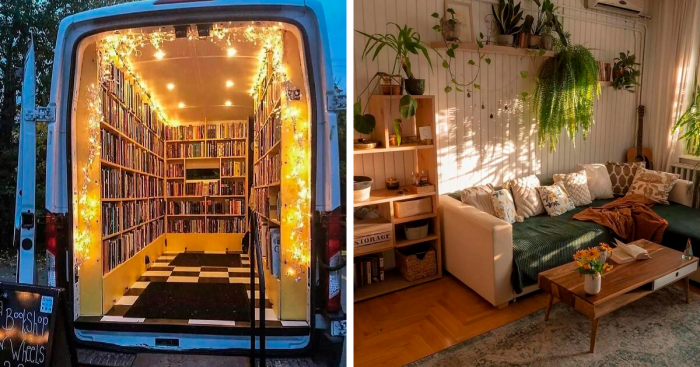
- Bookshelves: Open shelving units that display books and art create a personal touch while maintaining an airy feel.
- Area Rugs: A stylish rug can define the space and add warmth, enhancing the overall comfort of the living room.
Selection Methods for Multi-Functional Furniture
In modern living spaces, multi-functional furniture is essential for maximizing utility without compromising style. When selecting such items, consider the following methods to ensure they meet both aesthetic and practical needs:
“Choose pieces that serve dual purposes while maintaining a sleek design.”
Assess Your Space
Measure the area where the furniture will be placed. Ensure that multi-functional items fit comfortably and complement the overall layout.
Prioritize Versatility
Look for furniture that can serve more than one purpose, such as a sofa bed or an ottoman with storage capabilities. This helps in optimizing small spaces effectively.
Material and Design
Select items made from durable materials that fit the modern aesthetic, such as metal, glass, or sustainable wood. The design should be streamlined to align with contemporary decor.
Ease of Use
Ensure that any transformation of the furniture—from a couch to a bed, for example—is straightforward. Complicated mechanisms can deter regular use.
Style Harmony
Choose multi-functional furniture that blends seamlessly with other pieces in the room to maintain a cohesive look and feel throughout the space.By thoughtfully selecting furniture that aligns with modern design principles, you can create a living space that is not only visually appealing but also functional and adaptable to your lifestyle.
Lighting Solutions in Modern Design
Lighting serves as a fundamental element in modern interior design, enhancing the aesthetic appeal and functionality of spaces. The right lighting creates an inviting atmosphere, sets the mood, and highlights key features in a room. In contemporary interiors, lighting is not merely a necessity; it is an integral part of the design that can transform ordinary spaces into extraordinary ones.Different areas of a home require various lighting styles to fulfill specific needs and complement the overall decor.
In modern design, the focus is on creating a harmonious blend of natural and artificial light. Here’s a comparison of lighting styles suitable for various spaces:
Lighting Styles for Different Areas of a Home
In modern interiors, it’s essential to choose lighting that aligns with the purpose of each room. The following details highlight effective lighting styles based on specific areas:
Living Room
Ambient lighting, such as recessed ceiling fixtures or stylish floor lamps, provides general illumination. Accent lighting, like wall sconces or pendant lights, can highlight art pieces or architectural details.
Kitchen
Task lighting is crucial here; under-cabinet lights, pendant lights over islands, and bright ceiling fixtures ensure a well-lit workspace for cooking and preparation.
Bedroom
Soft, dimmable lighting creates a calming atmosphere. Bedside lamps, wall-mounted fixtures, or decorative chandeliers can serve as both functional and aesthetic elements.
Bathroom
Bright, focused lighting around mirrors is vital for grooming. A combination of overhead lighting and wall sconces on either side of the mirror can provide balanced illumination.
Home Office
Adjustable desk lamps and overhead fixtures are ideal for reducing eye strain and providing adequate light for tasks.Innovative lighting fixtures play a significant role in enhancing modern decor. They not only serve functional purposes but also act as striking focal points within a room. Below is a curated list of some innovative lighting options that can elevate any modern space:
Innovative Lighting Fixtures for Modern Spaces
Integrating unique lighting fixtures into modern interiors can dramatically enhance the overall ambiance. Here are noteworthy examples:
- LED Strip Lighting: Flexible and adjustable, LED strips can be used under shelves, along staircases, or within coves to create stunning visual effects.
- Smart Lighting: Smart bulbs and fixtures allow for customizable brightness and color, which can be controlled via smartphone apps or voice assistants.
- Statement Chandeliers: Large, artistic chandeliers serve as bold centerpieces that draw attention while providing ample light.
- Floor Lamps with Sculptural Designs: These lamps combine functionality with artistry, serving as both light sources and decorative objects.
- Wall-mounted LED Panels: These sleek panels can create a wash of ambient light and are perfect for contemporary spaces with minimalist aesthetics.
- Track Lighting: Versatile and adjustable, track lighting is ideal for highlighting specific areas or artwork, allowing for flexibility in lighting design.
Lighting is the brush that paints the colors of your space, giving life and emotion to your interiors.
Incorporating Artwork and Decor
Source: lifeadvancer.com
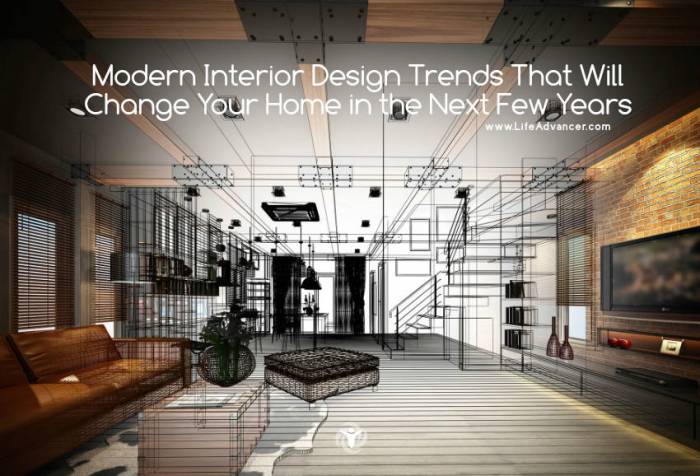
In modern interior design, artwork and decor play a crucial role in enhancing the overall aesthetic and personalizing your space. Selecting the right pieces can elevate a room’s ambiance while reflecting your personal style. Let’s explore strategies for choosing artwork that complements modern designs, incorporating personal items thoughtfully, and effective display methods for modern art.
Selecting Complementary Artwork
Choosing artwork that seamlessly fits into a modern interior design requires thoughtful consideration of color schemes, themes, and styles. To achieve a cohesive look, consider the following guidelines:
- Color Coordination: Select artworks that resonate with the dominant color palette of your space. For instance, if your interiors feature neutral tones, consider art pieces with bold colors to create a striking contrast.
- Theme Consistency: Ensure that the artwork aligns with the overall theme of the room. For minimalist spaces, opt for abstract art or monochromatic pieces that enhance simplicity.
- Size and Scale: Choose artwork that is proportionate to the space available. Large canvases can become statement pieces, while smaller artworks can be grouped to create an engaging gallery wall.
Incorporating Personal Items
Integrating personal items into modern decor enhances the uniqueness of your space while avoiding clutter. Here are some effective strategies:
- Curated Display: Choose a few meaningful personal items to display prominently, such as travel souvenirs or family heirlooms, and arrange them on shelves or in shadow boxes to create focal points.
- Functional Decor: Use personal items that also serve a purpose, like a stylish vase or a decorative tray, which can hold everyday items while adding character to your space.
- Rotating Exhibits: Regularly swap out personal items on display to keep your space fresh and exciting. This practice helps maintain a clutter-free environment while showcasing different aspects of your personality.
Displaying Modern Art
The way art is displayed can significantly impact the perception of your living space. Here are some innovative display methods:
- Gallery Wall: Create a dedicated wall for a collection of artworks by arranging them in a grid or an organic layout. Mixing frame styles can add visual interest, while keeping a consistent color scheme ties it together.
- Floating Shelves: Use floating shelves to display smaller pieces of art alongside decorative objects. This allows for easy rearrangement and layering, enhancing depth in your design.
- Framed Canvases: For a sophisticated look, choose large framed canvases hung at eye level. This creates an inviting atmosphere and draws the eye toward the artwork.
Space Optimization Techniques
In modern interior design, maximizing space is essential, particularly in urban environments where square footage can be limited. Space optimization techniques not only enhance the functionality of a home but also contribute to a more aesthetically pleasing atmosphere. By employing strategic methods, homeowners can create inviting living spaces that feel both spacious and organized.When it comes to optimizing small spaces, several strategies can be implemented.
These methods help to maintain an open feel while ensuring that every area serves a purpose. One popular approach involves the use of multi-functional furniture, which can adapt to various needs without overwhelming the room. Additionally, incorporating vertical storage solutions can free up valuable floor space while maintaining accessibility.
Creating Open-Concept Spaces
Open-concept designs are highly favored in modern homes as they foster a sense of connectivity and flow between different areas. However, successfully creating these spaces requires careful planning to ensure functionality is not compromised. Utilizing furniture arrangements and strategic color palettes can establish distinct zones within an open layout without physical barriers.To effectively zone areas in a modern floor plan, consider the following tips:
| Tip | Description |
|---|---|
| Use Area Rugs | Define individual spaces such as the living area and dining area by using area rugs that complement the overall design. |
| Furniture Arrangement | Place larger furniture pieces, like sofas or bookshelves, strategically to create visual boundaries without enclosing spaces. |
| Lighting Variations | Implement different light sources, such as pendant lights for dining areas and floor lamps in living spaces, to delineate functional zones. |
| Color Schemes | Utilize varying color schemes or wall treatments to visually separate different areas while maintaining a cohesive look. |
| Plants and Decor | Incorporate plants or decorative screens to provide a natural barrier between spaces while enhancing the overall aesthetic. |
By employing these strategies, homeowners can optimize their space effectively, creating environments that are not only functional but also stylish and inviting.
Outdoor-Indoor Integration
The seamless blending of outdoor and indoor living spaces can dramatically enhance the functionality and aesthetic of modern interiors. With the right design elements, the boundaries between these two environments can be erased, creating a harmonious flow that brings nature closer to home.Techniques for achieving this integration include the use of large glass doors, open-concept layouts, and strategic landscaping that encourages a natural flow from the outside in.
The incorporation of similar materials both inside and outside can further enhance this transition, making spaces feel cohesive.
Materials for Seamless Transitions, Modern interior design ideas
Utilizing specific materials can greatly improve the visual and physical connection between indoor and outdoor spaces. Here are some examples that effectively bridge these areas:
- Glass: Expansive windows and sliding glass doors allow natural light to flood in while providing unobstructed views of the outdoors, creating a sense of openness.
- Wood: Using the same type of wood flooring or paneling inside and outside can create a unified look. Decking materials like treated wood can be mirrored with hardwood flooring indoors.
- Stone: Natural stone features can provide a continuous surface that links the patio or garden to the interior, enhancing the organic feel of the design.
- Textiles: Incorporating outdoor fabric elements indoors, such as cushions and rugs, can add a cohesive theme while ensuring durability against wear.
The benefits of incorporating greenery into modern interiors cannot be overstated. Not only does it improve air quality, but it also enhances mental well-being through biophilic design principles, which advocate for a connection to nature. Houseplants, vertical gardens, and indoor trees can be strategically placed to create inviting focal points that complement the indoor environment.
“Integrating nature within our living spaces fosters a sense of tranquility and promotes a healthier lifestyle.”
Moreover, outdoor features like patios and courtyards can be designed to act as extensions of the indoor living area, allowing for versatile use throughout the year. Incorporating these design techniques not only enhances the beauty of a home but also elevates the overall living experience.
Smart Home Features in Modern Design
Source: yuandesign.asia
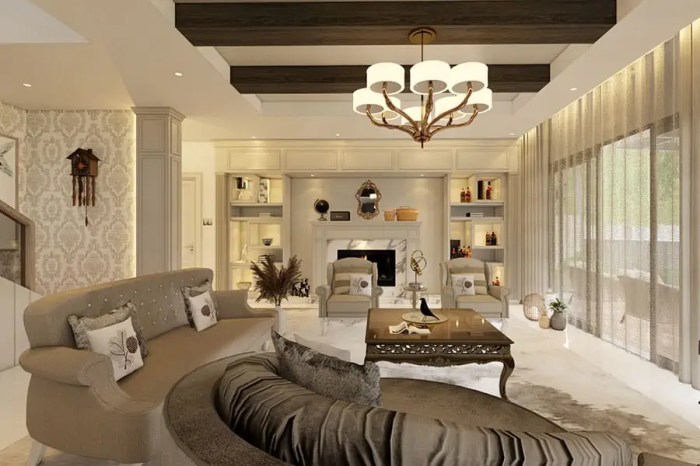
Smart technology is transforming the way we approach modern interior design, creating spaces that are not only aesthetically pleasing but also highly functional. Integrating smart home features allows homeowners to enhance their living experience through convenience, energy efficiency, and personalized environments. As technology becomes more integrated into our daily lives, incorporating these elements into design choices is essential for a contemporary aesthetic.The influence of smart technology on modern interior design is significant, as it allows for seamless control of various home functions.
This integration enhances the overall ambiance and usability of spaces, creating environments that adapt to the needs and lifestyles of their inhabitants. Smart features can improve both functionality and aesthetics, making spaces more user-friendly and visually appealing.
Essential Smart Home Devices for Contemporary Living
To create a cohesive modern living space, there are several essential smart home devices that homeowners should consider. These devices not only enhance the functionality of a home but also complement the design aesthetic:
- Smart Thermostats: These devices help manage energy consumption by learning user preferences, allowing for a comfortable environment while saving energy costs.
- Smart Lighting Systems: Adjustable lighting solutions enable users to create ambiance with varied colors and brightness, enhancing the mood of each room.
- Smart Security Cameras: Offering peace of mind, these cameras integrate with home networks and can be controlled remotely, adding a layer of security without compromising design.
- Smart Speakers: These devices serve as hubs for controlling other smart devices and can be integrated into the home decor, providing both functionality and style.
- Smart Plugs: Allowing traditional appliances to become ‘smart’, these plugs enable users to control devices remotely, improving convenience within a modern space.
- Smart Blinds or Curtains: These can be automated to adjust based on time of day or sunlight, harmonizing with the overall design while enhancing energy efficiency.
The integration of smart features into design choices comes with several implications. Homeowners must consider how these devices fit within the overall aesthetic of their spaces. Aesthetically pleasing designs can be achieved by selecting devices that complement or blend into the decor, ensuring that technology does not detract from the visual appeal of the interior. Additionally, the installation of smart technology often requires careful planning to ensure that wiring and devices do not disrupt the intended design flow, making upfront consideration crucial for successful integration.
“Smart technology elevates not just the functionality of spaces but also their beauty, creating a harmonious blend of form and function.”
Careful selection and integration of smart devices can significantly enhance the modern interior design experience, paving the way for more innovative, adaptive, and visually appealing living environments.
Last Point: Modern Interior Design Ideas
In summary, exploring modern interior design ideas reveals a world rich with creativity and style, where every detail matters. By understanding the trends, color schemes, and furniture choices, you can create a space that is not only beautiful but also functional and reflective of your personality.
Key Questions Answered
What are the key elements of modern interior design?
The key elements include minimalism, open spaces, functional furniture, and the use of natural materials.
How can I incorporate technology into my modern home design?
You can integrate smart home devices, like smart lighting and heating systems, to enhance convenience and efficiency.
What colors are trending in modern interior design?
Neutral tones, earth colors, and bold accents are popular, creating a balanced and inviting atmosphere.
How do I choose artwork for a modern interior?
Select pieces that resonate with your style and complement the overall design without overwhelming the space.
What are some tips for maximizing small spaces?
Use multi-functional furniture, light colors, and mirrors to create an illusion of more space and openness.