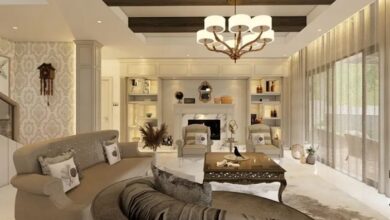
Overview of Minimalist Home Design

Source: renopedia.sg





Minimalist home design trends – Minimalist home design is all about simplicity and the idea that less is more. Rooted in the belief that a clutter-free environment promotes peace and tranquility, this design philosophy focuses on functionality while maintaining aesthetic appeal. A minimalist home embraces open spaces, natural light, and a neutral color palette, creating an inviting atmosphere that feels both refreshing and serene.The history of minimalist design can be traced back to the early 20th century, gaining significant traction in the 1960s as a reaction against the ornate styles of the past.
Influenced by movements such as Bauhaus and Japanese aesthetics, minimalist design began to emphasize clean lines, geometric forms, and a strong connection to nature. Over the decades, it has evolved, incorporating modern materials and technologies while still honoring its foundational principles.
Core Principles of Minimalist Home Design
At its essence, minimalist home design revolves around several key principles that contribute to its distinctive charm:
- Functionality: Every element in a minimalist home serves a purpose, ensuring that spaces are not overloaded with unnecessary items.
- Neutral Color Palette: Soft, muted colors dominate the design, allowing for an open, airy feel that promotes relaxation.
- Natural Light: Maximizing natural light is crucial, as it enhances the spaciousness and warmth of a home.
- Decluttered Spaces: A minimal approach involves removing excess decor and furniture, which results in cleaner lines and a more organized space.
- Quality Over Quantity: Minimalism encourages investing in fewer, high-quality pieces rather than overcrowding spaces with items of lesser value.
Key Characteristics of Minimalist Homes
Minimalist homes are marked by specific characteristics that set them apart from other design styles. These features contribute not only to aesthetic value but also to the overall functionality of the space:
- Open Floor Plans: Minimalist designs often incorporate open layouts that enable easy flow and interaction between spaces.
- Simple Shapes and Lines: Geometric shapes and straight lines dominate, providing a sense of order and calm.
- Natural Materials: Emphasis on wood, stone, and other natural materials fosters a connection with the environment.
- Integrated Technology: Smart home technology is seamlessly integrated to enhance convenience while maintaining the aesthetic integrity of the design.
- Artwork and Decor: When used, art is chosen deliberately and placed thoughtfully to maintain the minimalist ethos without overwhelming the space.
“Minimalism is not a lack of something. It’s simply the perfect amount of something.”
Color Palettes in Minimalist Design

Source: hzcdn.com
In minimalist home design, color palettes play a pivotal role in conveying simplicity and tranquility. The right color scheme can transform a space, making it feel more open and serene. This approach emphasizes the use of subdued tones, allowing the architecture and furniture to take center stage, while also creating a sense of harmony and balance.When selecting colors for minimalist spaces, it’s essential to choose hues that complement each other and enhance the overall aesthetic without overwhelming the senses.
Popular color schemes often revolve around neutral shades, but there are various strategies to achieve a cohesive look that feels both calming and sophisticated.
Popular Color Schemes in Minimalist Design
The following color schemes are widely embraced in minimalist designs, each offering a unique way to evoke a sense of calm and simplicity in living spaces:
- Monochromatic Schemes: Utilizing different shades of a single color creates a subtle yet appealing look, allowing for variation without straying from simplicity.
- Earthy Tones: Warm browns, soft greens, and muted terracotta bring warmth to a space while maintaining a natural feel, perfect for creating a cozy environment.
- Pastel Hues: Light blues, soft pinks, and pale yellows add a touch of color while remaining gentle and soothing to the eye.
- Black and White: The classic combination provides a stark contrast that emphasizes clean lines and shapes, making spaces feel open and modern.
- Soft Grays: Gray provides a neutral backdrop that pairs well with almost any accent color, creating a sophisticated and calming atmosphere.
Methods for Selecting Complementary Colors
Choosing complementary colors is crucial in minimalist design to ensure the space feels coherent. Here are effective methods to achieve this:
- Color Wheel Utilization: Use the color wheel to identify complementary colors. Opposite colors tend to look great together while maintaining visual interest.
- Consider Undertones: Pay attention to the undertones of your chosen colors. Warm undertones pair well with other warm hues, while cool undertones work best together.
- Limit the Palette: Stick to a small palette of 2-4 colors to maintain simplicity while allowing for depth through texture and material.
- Test in Natural Light: Colors can look different depending on lighting. Always test your color choices in the natural light of the space to see how they interact throughout the day.
Colors that Evoke Calm and Simplicity
Certain colors are particularly effective in promoting feelings of calm and simplicity. Below is a curated list of such colors, along with their emotional impact:
- Soft White: Represents purity and simplicity, providing a clean canvas for any minimalist design.
- Pale Blue: Instills a sense of peace and tranquility, often reminiscent of clear skies and serene waters.
- Light Gray: Offers a balanced neutrality that feels both modern and comforting.
- Beige: A warm neutral that brings a sense of comfort and earthiness without being overwhelming.
- Mint Green: Refreshing and calming, mint green evokes a sense of nature and renewal.
“The right colors in minimalist design not only enhance aesthetic appeal but also foster an environment of tranquility and simplicity.”
Furniture Selection for Minimalist Homes
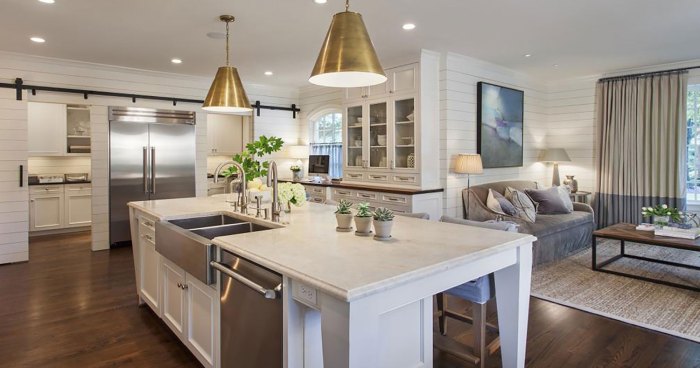
Source: cloudfront.net
In minimalist home design, furniture selection plays a critical role in maintaining an uncluttered and serene ambiance. The right pieces not only serve essential functions but also complement the aesthetic simplicity that defines minimalist style. Emphasizing functionality, scale, and proportion is key to achieving a harmonious living space.
Guidelines for Choosing Multifunctional Furniture
Multifunctional furniture is a staple in minimalist design as it maximizes utility without compromising style. Selecting pieces that serve dual purposes can significantly reduce clutter and enhance space efficiency. When choosing multifunctional furniture, consider the following guidelines:
Versatility
Look for items that can adapt to various uses, such as a sofa bed that serves both as seating and sleeping space.
Storage Solutions
Opt for furniture that incorporates storage, like ottomans with hidden compartments or coffee tables with shelving.
Compact Design
Select pieces that are lightweight and easy to move, allowing for flexible arrangements and functionality in different scenarios.
Timeless Aesthetics
Choose designs that are not only practical but also timeless in style to ensure longevity in your decor.
Importance of Scale and Proportion in Furniture Design
Scale and proportion are essential in furniture design within a minimalist home. The right balance creates an inviting atmosphere while avoiding overcrowding. Consider these points when assessing furniture for your space:
Room Size
Choose furniture that fits the dimensions of your rooms. Oversized furniture can overwhelm a small room, while tiny furniture can feel lost in a large space.
Visual Weight
Aim for a mix of heavy and light pieces to create visual balance. This can be achieved by pairing a large, solid coffee table with lightweight chairs.
Height Variations
Incorporating furniture with varying heights can add interest without cluttering the visual field. For instance, mixing low seating with taller shelving units creates dynamic layers in the room.
Essential Furniture Pieces for a Minimalist Home
In a minimalist setting, certain furniture pieces are indispensable for maintaining functionality while adhering to simplicity. Below is a curated list of essential items that embody minimalist principles:
Sofa
A sleek, low-profile sofa that provides comfort without overwhelming the space.
Dining Table
A simple, clean-lined table that can accommodate guests while being unobtrusive.
Storage Units
Minimalist shelving or cabinets that keep belongings organized and out of sight, reducing visual clutter.
Bed Frame
A low-profile bed frame that emphasizes a serene sleeping environment.
Side Tables
Lightweight and versatile side tables that can serve multiple functions throughout the home.Each of these pieces plays a pivotal role in creating a cohesive, functional, and aesthetically pleasing minimalist home, ensuring that each item contributes to the overall simplicity and clarity of the space.
Minimalist Decor Styles
Minimalist decor styles embrace simplicity and functionality while emphasizing clean lines and a cohesive aesthetic. These styles are not only visually appealing but also promote a serene atmosphere that encourages relaxation and mindfulness in your living space. By focusing on essential elements, minimalist decor captures the essence of modern living.The beauty of minimalist decor lies in its versatility and adaptability.
There are several styles within the minimalist umbrella, each with its own unique characteristics and influences. These styles can be seamlessly incorporated into various spaces without overwhelming the senses. Below are some of the prominent decor styles that align with minimalist principles.
Key Minimalist Decor Styles
Understanding these decor styles can help you create a cohesive and stylish home environment. Here are key minimalist styles to consider:
- Scandinavian Minimalism: This style emphasizes natural light, functional furniture, and a neutral color palette. It often features wooden elements and textiles that add warmth without cluttering the space.
- Japanese Minimalism: Inspired by traditional Japanese aesthetics, this style incorporates natural materials, sliding doors, and open spaces. It focuses on harmony with nature and simplicity in design.
- Industrial Minimalism: This decor style utilizes raw materials such as metal, concrete, and wood, often in an open loft-style space. The emphasis on structure and form highlights functionality while maintaining a sleek appearance.
- Mid-Century Modern Minimalism: Characterized by organic shapes and clean lines, this style features vintage pieces that exude elegance without excess. The color palette often includes earthy tones combined with pops of brighter colors.
Incorporating Art and Accessories
In minimalist decor, art and accessories play a vital role in adding personality without contributing to visual clutter. It’s crucial to choose pieces that resonate with you, while adhering to minimalist principles. Here are some strategies for including art and accessories thoughtfully:
- Focus on a Few Statement Pieces: Select one or two impactful artworks rather than cluttering the walls with many small pieces. A large canvas or sculpture can become a focal point.
- Use Negative Space: Allow for empty spaces around art to give it room to breathe. This enhances the visual appeal and emphasizes the artwork itself.
- Utilize Functional Decor: Choose decor that serves a purpose. For instance, a stylish clock or a decorative bowl can enhance the aesthetic while maintaining functionality.
- Incorporate Natural Elements: Elements like plants or natural stones can add texture and life to a space without overwhelming the design. A single potted plant can bring a sense of calm and freshness.
Common Materials in Minimalist Decor
The materials used in minimalist decor are essential in creating the desired aesthetic. They tend to be natural, sustainable, and simple, contributing to a harmonious environment. Here are some common materials that are frequently utilized:
- Wood: Whether it’s bamboo, oak, or walnut, wood adds warmth and texture to minimalist spaces and is often used in furniture and flooring.
- Metal: Stainless steel and aluminum are popular choices for fixtures and furniture, providing a sleek industrial feel while being durable and functional.
- Glass: Clear or frosted glass can help maintain an airy atmosphere, often used in tables, shelves, and dividers that allow light to flow through.
- Textiles: Natural fibers like cotton, linen, and wool are commonly used for upholstery, curtains, and rugs, offering comfort without excessive patterns.
Embracing minimalist decor is about creating a balance between functionality and aesthetic appeal, allowing each element to shine without distraction.
Lighting in Minimalist Design
Natural light plays a crucial role in minimalist home design, amplifying the essence of simplicity and spaciousness that defines this aesthetic. By maximizing the use of natural light, minimalist spaces can feel more open and inviting, creating an atmosphere that promotes serenity and calmness. The strategic placement of windows and the use of light materials often enhance this effect, allowing the sunlight to permeate the space and illuminate its best features.In addition to natural light, artificial lighting solutions are integral to achieving a cohesive minimalist design.
Thoughtfully selected lighting fixtures can enhance the clean lines and uncluttered feel of a minimalist home. While functionality is essential, the aesthetics of light fixtures also contribute significantly to the overall design. Below are various lighting solutions that align with minimalist aesthetics, ensuring that each piece serves both a practical purpose and an artistic one.
Lighting Solutions for Minimalist Spaces
When selecting lighting for minimalist designs, it is important to choose fixtures that complement the clean lines and simplicity of the space. Here are some effective lighting solutions that enhance minimalist aesthetics:
- Recessed Lighting: This installation is subtle and unobtrusive, providing ambient lighting without dominating the ceiling space.
- Track Lighting: Flexible and adjustable, track lights can be directed to highlight specific areas or artworks, maintaining the minimalist focus on key elements.
- Pendant Lights: Simple pendant lights in geometric shapes can provide stylish focal points while keeping the visual clutter to a minimum.
- Floor Lamps: Slim designs that take up little space can add warmth without overwhelming the room, especially in reading nooks or living areas.
- Table Lamps: Minimalist lamps with sleek designs can serve as accent pieces on side tables, providing both utility and style.
To further illustrate suitable lighting fixtures for minimalist spaces, the following table provides a concise overview of their types and characteristics:
| Fixture Type | Characteristics | Recommended Use |
|---|---|---|
| Recessed Lighting | Low profile, unobtrusive, even illumination | General lighting in living areas and hallways |
| Track Lighting | Adjustable, directional, versatile | Highlighting artwork or architectural features |
| Pendant Lights | Variety of shapes, can serve as focal points | Over dining tables or kitchen islands |
| Floor Lamps | Tall, slender designs, easy to move | Living rooms, reading areas |
| Table Lamps | Compact, often decorative | Bedside tables, side tables in living rooms |
In summary, the integration of natural light and carefully selected lighting fixtures can significantly enhance the minimalist design of a home. By prioritizing simplicity and functionality in lighting choices, homeowners can create a harmonious environment that embodies the minimalist philosophy.
Space Optimization Techniques
In the realm of minimalist home design, maximizing space is essential, especially for those living in smaller environments. Utilizing effective space optimization techniques allows homeowners to create functional areas without sacrificing style or comfort. By leveraging smart design strategies, one can ensure that every inch of the home serves a purpose, leading to a more organized and serene living experience.A key aspect of space optimization involves both practical arrangements and aesthetic choices.
Homeowners can implement innovative storage solutions that blend seamlessly with their minimalist ethos while ensuring a clutter-free environment. Additionally, designing open-concept layouts can promote a sense of spaciousness, making smaller homes feel larger and more inviting.
Storage Solutions for Minimalist Homes
Effective storage solutions are crucial for maintaining an uncluttered look in minimalist homes. The goal is to incorporate storage that does not detract from the clean lines and simple aesthetics characteristic of minimalist design. Here are several strategies that can be employed:
- Built-in furniture: Consider furniture pieces that double as storage, such as benches with hidden compartments or ottomans that open up to reveal space for blankets or books.
- Vertical storage: Utilize wall space by installing shelves that draw the eye upward, creating additional storage without taking up floor space.
- Multi-functional pieces: Opt for furniture that serves more than one purpose, such as a coffee table with drawers or a bed frame with built-in storage underneath.
- Utilizing underutilized spaces: Maximize tricky areas like under stairs or corners with custom shelving or cabinets designed to fit snugly in those spaces.
- Declutter regularly: Implementing a routine decluttering schedule allows for the ongoing evaluation of what truly needs to be stored and what can be donated or discarded.
Open-Concept Layout Design
Creating an open-concept layout is a popular strategy in minimalist design, as it can significantly enhance the flow and functionality of small spaces. An open layout eliminates physical barriers between rooms, allowing for better movement and a more cohesive aesthetic. Here are some considerations for implementing this design approach:
- Combine living areas: Merge the living room, dining area, and kitchen into a single, expansive space to promote social interaction and ease of use.
- Use furniture to define spaces: Instead of walls, use furniture like sofas, rugs, or shelving units to delineate specific areas within the open layout.
- Maximize natural light: Incorporate large windows or glass doors that allow natural light to flood the space, creating an airy atmosphere that enhances the feeling of openness.
- Consistent flooring: Choose a uniform flooring material throughout the open space to create a seamless visual flow from one area to another.
- Use colors wisely: A light, neutral color palette can help unify the space while making it feel larger and more inviting.
“An open layout not only enhances visual appeal but also fosters a sense of community within the home, making it an ideal choice for modern living.”
Sustainable Minimalist Design
Sustainable minimalist design merges the principles of minimalism with eco-friendly practices, creating spaces that not only emphasize simplicity and functionality but also prioritize the health of our planet. As the world becomes increasingly aware of environmental issues, this design philosophy resonates with those seeking to reduce their carbon footprint while enjoying a stylish and uncluttered home.The connection between minimalism and sustainable living lies in the fundamental idea of reducing excess and prioritizing quality over quantity.
By embracing a minimalist lifestyle, individuals can focus on what truly matters—functional, durable, and eco-conscious choices that lessen environmental impact. Sustainable minimalist design encourages homeowners to rethink their consumption habits, opting for fewer, high-quality items that serve multiple purposes and are made from natural, renewable materials.
Eco-Friendly Materials in Minimalist Home Design
Incorporating eco-friendly materials is essential to achieving a sustainable minimalist home. This approach not only enhances the aesthetic but also contributes positively to the environment. Several materials stand out for their sustainability and suitability for minimalist design:
- Bamboo: A renewable resource, bamboo grows rapidly and requires minimal cultivation. Its versatility makes it an excellent choice for flooring, furniture, and decor.
- Recycled Materials: Using recycled wood, metal, and glass reduces waste and conserves resources. Reclaimed wood, for instance, adds character and history to a minimalist space.
- Cork: Harvested from the bark of cork oak trees, this material is sustainable and offers excellent insulation and soundproofing properties.
- Low-VOC Paints: These paints minimize harmful emissions, improving indoor air quality while allowing for a clean, minimalist aesthetic.
- Natural Fibers: Fabrics made from organic cotton, hemp, or linen are biodegradable and typically produced without harmful chemicals, making them ideal for minimalist textiles.
Embracing these materials not only enhances the beauty of minimalist homes but also aligns with a commitment to environmental stewardship.
Case Studies of Successful Sustainable Minimalist Homes
Real-life examples of sustainable minimalist homes showcase the successful integration of eco-friendly design principles. These case studies highlight innovative approaches and effective solutions for creating environmentally responsible living spaces.One prominent example is the “K5 House” in Japan, designed by architect Kengo Kuma. This home utilizes locally sourced timber and large glass windows that allow natural light to flood in, reducing reliance on artificial lighting.
The structure’s design embraces the surrounding landscape, fostering a connection with nature while minimizing energy consumption.Another noteworthy project is the “Sustainable House” in Australia, built using recycled materials and featuring a green roof. This home is designed to operate off the grid, utilizing solar panels and rainwater harvesting systems. The minimalistic design ensures that every element serves a purpose, from the open floor plan that promotes airflow to the carefully selected furnishings made from sustainable resources.Lastly, the “Cedar House” in Canada exemplifies the harmony of modern minimalism and sustainability.
Its design emphasizes energy efficiency through passive solar heating and natural ventilation. The use of reclaimed cedar wood not only adds warmth and texture but also reduces the environmental impact associated with new materials.These case studies illustrate that sustainable minimalist design is not only achievable but also beneficial for both the inhabitants and the environment, showcasing how thoughtful design can lead to a more sustainable future.
Challenges in Minimalist Design
Minimalist design is a captivating aesthetic that promotes simplicity, functionality, and an overall serene atmosphere. However, embracing this design philosophy often comes with its own set of challenges. Understanding these obstacles is crucial for anyone looking to create a harmonious minimalist space that feels both inviting and practical. The journey to minimalist living may present difficulties, particularly when it comes to maintaining balance and ensuring that every element serves a purpose.
Addressing these challenges can lead to a more rewarding and satisfying design experience.
Common Challenges in Minimalist Design
Designing a minimalist home involves navigating various hurdles. Here are some common challenges faced by individuals venturing into this style:
- Overcoming Clutter: One of the central tenets of minimalist design is the elimination of clutter. This can be daunting as many people accumulate belongings that may hold sentimental value or practical utility.
- Maintaining Functionality: Striving for simplicity can lead to the risk of sacrificing functionality. It’s essential to find a balance where each piece is both aesthetically pleasing and practical.
- Choosing the Right Color Palettes: Selecting a color palette that embodies minimalism can be challenging, especially for those accustomed to bolder choices. Finding the right shades that evoke calmness without appearing too sterile is crucial.
- Resistance to Change: Adopting a minimalist lifestyle often requires a significant shift in mindset. Some individuals find it hard to let go of possessions or adapt to a more simplified way of living.
- Space Constraints: In urban settings, space can be limited. Designing a minimalist space that feels open and airy, even in smaller homes, can be a complex task.
Methods to Overcome Design Obstacles, Minimalist home design trends
There are several effective strategies to address the challenges encountered in minimalist design. Implementing these methods can facilitate a smoother transition into a minimalist lifestyle:
- Decluttering Regularly: Establish a routine for decluttering, such as the ‘one in, one out’ rule, where for every new item acquired, an old one is removed. This helps manage possessions effectively.
- Functional Furniture Selection: Invest in multi-functional furniture pieces that serve more than one purpose. This can enhance both style and functionality while keeping spaces organized.
- Neutral Color Schemes: Opt for neutral and earthy tones that promote a sense of tranquility. Soft whites, beiges, and grays can create an inviting atmosphere without overwhelming the senses.
- Mindfulness Practice: Embrace a mindset of mindfulness in purchasing decisions. Consider the necessity and significance of each item before adding it to your home.
- Creative Storage Solutions: Utilize creative storage options that maintain the minimalist aesthetic. Hidden storage compartments and built-in shelving can help manage belongings while keeping spaces tidy.
Testimonials from Minimalist Design Adopters
Many individuals have shared their experiences transitioning to minimalist design, highlighting both their struggles and triumphs:
“Initially, I found it hard to let go of my belongings. However, once I embraced minimalism, I discovered a sense of freedom and clarity I never expected. My home feels more peaceful, and I am more focused on what truly matters.”
Sarah D.
“Living in a small apartment, I thought minimalism would be impossible. However, by choosing functional furniture and being intentional with my purchases, I’ve created a space that feels open and organized.”
Mark T.
These testimonials illustrate the positive impact of overcoming challenges in minimalist design, encouraging others to embrace the lifestyle fully.
Epilogue: Minimalist Home Design Trends
In summary, embracing minimalist home design trends not only enhances the aesthetic appeal of your space but also promotes a lifestyle centered around mindfulness and sustainability. By adopting these principles, you can create a home that reflects your values while offering a peaceful retreat from the chaos of everyday life.
FAQ Insights
What are the main principles of minimalist design?
The main principles include simplicity, functionality, and the use of space, focusing on essential elements while eliminating clutter.
Can minimalist design work in small spaces?
Absolutely! Minimalist design is particularly effective in small spaces, as it maximizes functionality while maintaining an open, airy feel.
How do I choose a color palette for a minimalist home?
Opt for neutral colors or soft hues that evoke calmness and simplicity, and consider using a few accent colors to create visual interest.
What types of furniture are best for minimalist homes?
Look for multifunctional and space-saving furniture pieces that blend seamlessly with the overall aesthetic, such as sleek sofas, foldable tables, and modular shelves.
How does natural light influence minimalist design?
Natural light is essential in minimalist design, as it enhances the openness of the space and highlights the simplicity of the decor.