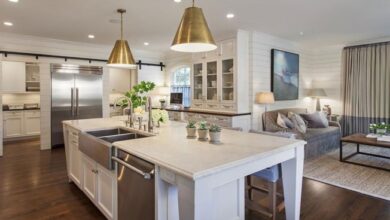
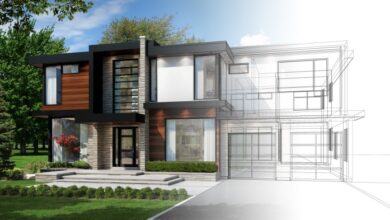
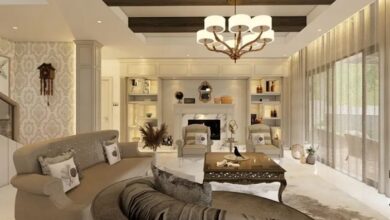
Introduction to Home Architecture Design

Source: quoteslyfe.com





Home architecture design plays a crucial role in shaping our living environments, reflecting our lifestyles, cultures, and technological advancements. As the hub of daily life, a well-designed home provides not just shelter, but also a sense of identity and belonging, enhancing the quality of life for its inhabitants.Over the years, architectural styles in residential design have evolved significantly, influenced by cultural shifts, technological innovations, and aesthetic preferences.
From the grandeur of Victorian homes to the minimalist appeal of contemporary designs, each era has left its mark on how we conceptualize and construct our homes. This evolution illustrates the dynamic relationship between architecture and the societal values of the time.
Key Factors Influencing Home Architecture
Understanding the various factors that impact home architecture is essential for both homeowners and designers. These elements can dictate not only the aesthetic appeal of a home but also its functionality and sustainability. Some of the primary influences include:
- Location: The geographical setting greatly influences architectural choices, taking into account climate, landscape, and urban versus rural contexts. For instance, homes in colder climates often feature designs that include pitched roofs and insulation for energy efficiency, while coastal houses might focus on wind resistance and flood elevation.
- Cultural Context: Architectural styles often reflect the cultural heritage and traditions of the inhabitants. For example, Mediterranean-style homes, with their stucco exteriors and tiled roofs, are often found in regions with similar climates and historical influences.
- Technological Advancements: Innovations in building materials and techniques can lead to unique architectural designs. The introduction of energy-efficient windows and sustainable building practices has reshaped modern home designs, prioritizing eco-friendliness and energy conservation.
- Personal Preferences: Homeowners’ tastes and lifestyles heavily influence design choices. For instance, open floor plans have gained popularity among those who value social interaction and a modern aesthetic, promoting a sense of spaciousness.
- Regulatory Factors: Building codes and zoning laws can restrict or guide architectural decisions. Compliance with these regulations ensures that structures are safe, sustainable, and appropriate for their designated locations.
Architecture is the thoughtful making of space. – Louis Kahn
Recognizing these factors empowers homeowners and architects alike to create spaces that not only meet practical needs but also resonate with the emotional and cultural significance of home.
Types of Home Architecture Styles
Home architecture styles are as diverse as the cultures and histories that inspire them. Each architectural style reflects the aesthetics, traditions, and technological advancements of its time. Understanding these styles not only aids homeowners in making informed decisions about their own living spaces but also provides insight into the rich tapestry of architectural evolution across different regions.Architectural styles can be broadly categorized into various types, each with its unique features and historical significance.
Recognizing these styles helps in appreciating their distinctive elements, materials, and forms, which can influence both the functionality and beauty of a home. Below are some of the prominent architectural styles commonly found in residential design.
Characteristics of Popular Architectural Styles
To facilitate a clearer understanding, the following characteristics Artikel the key features of various architectural styles. This comparison highlights both their unique attributes and commonalities, showcasing the diversity within home architecture.
| Architectural Style | Key Features |
|---|---|
| Contemporary | Open floor plans, large windows, sustainable materials, minimalistic design. |
| Traditional | Symmetrical designs, classic materials like wood and brick, decorative molding, warm colors. |
| Colonial | Rectangular shape, gabled roof, evenly spaced windows, central front door, often two stories. |
| Modern | Flat roofs, large glass windows, integration with nature, use of steel and concrete. |
| Craftsman | Low-pitched roofs, exposed rafters, built-in furniture, extensive woodwork, use of natural materials. |
| Victorian | Ornate detailing, asymmetrical shapes, vibrant colors, elaborate trim and decorative elements. |
“Understanding different architectural styles helps in making informed design choices that resonate with personal taste and lifestyle.”
This table serves as a guide to recognize the significant characteristics that define each style, allowing homeowners and enthusiasts to appreciate the essence of home architecture. Whether one is drawn to the sleek lines of contemporary homes or the timeless appeal of colonial designs, each style offers a unique perspective on living spaces.
Elements of Home Design

Source: quoteslyfe.com
Creating a well-designed home involves multiple elements that work together to create a harmonious living environment. These elements not only enhance the aesthetic appeal of a space but also improve functionality and comfort. Key considerations include space, light, and the materials utilized in construction. Understanding these foundational aspects can significantly impact the overall effectiveness of home design.The essence of effective home design lies in balancing functionality and aesthetics.
While aesthetics contribute to the visual beauty of a home, functionality ensures that the space meets the practical needs of its inhabitants. A well-designed home should not only look good but also provide a comfortable and efficient living experience. For instance, open floor plans may offer a modern aesthetic while also optimizing space for social interaction.
Common Materials Used in Home Construction
In home design, the selection of materials plays a crucial role in both durability and visual appeal. The choice of materials can influence the style and character of a home while also affecting its energy efficiency and maintenance requirements. Below is a list of common materials used in home construction along with their significance.The following materials are frequently utilized in home construction, each contributing unique qualities:
- Wood: Offers warmth and versatility, commonly used for framing, flooring, and cabinetry.
- Brick: Provides durability and classic appeal, often used for exterior walls.
- Concrete: Known for strength and longevity, used in foundations and modern architectural designs.
- Steel: Valued for its strength-to-weight ratio and used in frameworks for both residential and commercial buildings.
- Glass: Enhances natural light and visual connectivity, used in windows and facades.
- Stone: Offers a timeless aesthetic and is used for structural components and decorative elements.
- Insulation materials: Essential for energy efficiency, including fiberglass, foam board, and cellulose.
Effective home design harmonizes aesthetics with functionality to create a livable, inviting space.
Selecting the right materials can also impact the sustainability and energy efficiency of the home, making it essential to consider lifestyle and environmental factors when making these choices.
Sustainable Architecture Practices
Sustainable architecture focuses on minimizing the negative impact of buildings on the environment while maximizing energy efficiency and resource conservation. It incorporates various practices and materials that not only enhance the comfort and aesthetics of homes but also contribute to environmental preservation. By understanding and implementing the principles of sustainable architecture, homeowners and architects alike can create designs that are both beautiful and eco-friendly.The principles of sustainable architecture emphasize energy efficiency, resource conservation, and the use of eco-friendly materials.
Homes designed with these principles in mind often utilize natural light, promote good ventilation, and harness renewable energy sources, such as solar or wind power. These elements not only reduce energy consumption but also enhance the quality of life for the occupants. Sustainable architecture is about designing homes that seamlessly integrate with their surroundings, utilizing local materials, and reducing waste during the construction process.
Integration of Eco-Friendly Materials and Technologies
Integrating eco-friendly materials and technologies into home architecture is essential for achieving sustainability. Homeowners can choose from a variety of sustainable options that provide both functionality and aesthetic appeal. Some popular methods include:
Recycled Materials
Incorporating materials that have been recycled or repurposed reduces waste and conserves resources. This can include reclaimed wood, recycled glass, or metal components.
Low-VOC Paints and Finishes
Volatile Organic Compounds (VOCs) are harmful substances found in many traditional paints and finishes. Low-VOC options are available and help improve indoor air quality.
Energy-Efficient Appliances
Selecting appliances with high energy efficiency ratings can significantly lower energy consumption and reduce utility bills.
Rainwater Harvesting Systems
These systems collect and store rainwater for irrigation or non-potable uses, reducing reliance on municipal water supplies.
Insulation Made from Sustainable Materials
Options like cellulose insulation, made from recycled paper, or sheep’s wool provide excellent thermal performance and are environmentally friendly.To better understand the benefits of these practices, the following table summarizes some sustainable building practices and their advantages:
| Sustainable Practice | Benefits |
|---|---|
| Use of Recycled Materials | Reduces waste, conserves natural resources, and can provide unique aesthetic qualities. |
| Solar Panels | Generates renewable energy, reduces electricity bills, and may increase property value. |
| Energy-Efficient Windows | Minimizes heat loss, enhances comfort, and reduces heating and cooling costs. |
| Green Roofs | Improves insulation, manages stormwater runoff, and promotes biodiversity. |
| Natural Ventilation | Reduces reliance on mechanical cooling systems, enhancing indoor air quality and comfort. |
By prioritizing sustainable architecture practices, builders and homeowners can create homes that are not only functional and beautiful but also support a healthier planet for future generations.
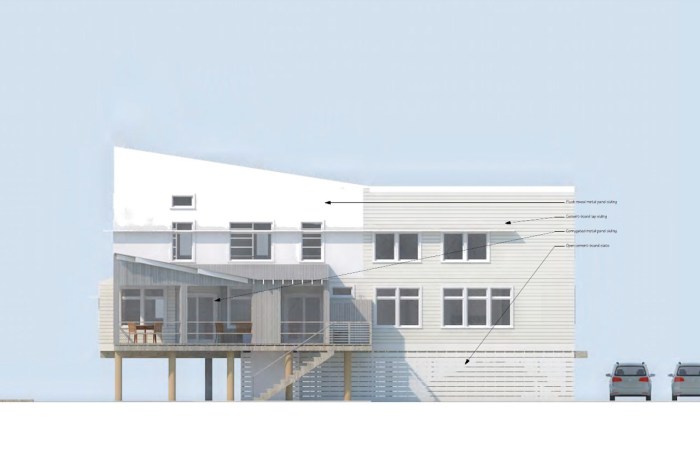
The Role of Landscape in Home Architecture: Home Architecture Design
Source: daviddquillinarchitecture.com
The integration of landscape design with home architecture is a crucial aspect that enhances both the aesthetic appeal and functionality of residential spaces. A thoughtfully designed landscape not only complements the architecture but also creates a seamless connection between indoor and outdoor environments, enriching the overall living experience.Outdoor spaces play a vital role in residential design, providing areas for relaxation, recreation, and social interaction.
Effective integration of these spaces into the home’s architecture can significantly increase the usability and enjoyment of a property. Landscape design contributes to the home’s character, setting the tone and mood for the entire living experience. The right balance of greenery, hardscaping, and outdoor amenities can transform a simple yard into an inviting extension of the home.
Landscaping Elements that Enhance Home Architecture
Several landscaping elements can be utilized to enhance the overall architectural design of a home. These elements work together to create a cohesive look that harmonizes with the building’s style and surroundings. Understanding these components can lead to better design choices that elevate the property’s appeal.
- Plants and Vegetation: The careful selection of trees, shrubs, and flowers can soften the lines of a home, create focal points, and add seasonal color. For instance, native plants can be integrated to ensure sustainability and ease of maintenance while enhancing biodiversity.
- Walkways and Pathways: Paved or natural stone pathways guide visitors through the landscape, connecting different areas of the yard and leading to key features such as patios or gardens. These pathways can be designed in various shapes and materials to complement the home’s architecture.
- Decks and Patios: Outdoor living spaces like decks and patios serve as extensions of the home, allowing for outdoor dining, entertaining, or simply enjoying nature. Their materials and styles should mirror those of the house for a unified aesthetic.
- Fencing and Walls: Boundary elements such as fences and retaining walls can provide privacy and structure to a landscape. They also offer opportunities for decorative features, enhancing the home’s overall look.
- Water Features: Adding ponds, fountains, or streams introduces a dynamic element to the landscape, creating soothing sounds and visual interest. These features can be tailored to match the home’s architecture, whether it be modern, rustic, or traditional.
- Lighting: Effective outdoor lighting can highlight architectural features at night, create ambiance, and enhance safety. Strategic placement of lights can draw attention to pathways, gardens, and outdoor sitting areas.
“Landscape architecture is not just about beautifying the environment but also about creating spaces that enhance the living experience.”
Trends in Home Architecture Design
The landscape of home architecture is ever-evolving, shaped by societal needs, technological advancements, and environmental considerations. Current trends highlight a shift towards sustainable, technology-integrated designs that cater to a modern lifestyle, enhancing both aesthetics and functionality in homes.As we delve into the current trends in home architecture, it’s essential to recognize how these trends reflect changing values and innovations. The integration of technology has revolutionized the way homes are designed and experienced.
Here are some notable trends that define the current architectural scene:
Sustainable Design Practices
Sustainability in home design is no longer just a buzzword; it’s an essential practice. Homeowners and architects are increasingly prioritizing eco-friendly materials and energy-efficient systems. Key components of sustainable design include:
- Use of Renewable Materials: Utilizing bamboo, reclaimed wood, and recycled metals minimizes environmental impact.
- Energy-Efficient Technologies: Solar panels, smart thermostats, and energy-efficient appliances significantly reduce a home’s energy consumption.
- Water Conservation Systems: Rainwater harvesting and greywater recycling systems are becoming standard in modern homes.
Smart Home Integration, Home architecture design
The impact of technology on home architecture is profound, leading to the rise of smart homes. These homes incorporate advanced technologies that enhance comfort, security, and energy efficiency. The implications of this trend include:
- Home Automation Systems: Lighting, heating, and security systems can be controlled remotely via smartphones or voice-activated devices.
- Integration of AI: Artificial intelligence enhances home management by learning user preferences and optimizing energy use.
- Improved Security Features: Smart locks, surveillance cameras, and alarm systems provide homeowners with peace of mind.
Open Concept and Flexible Spaces
Modern design increasingly favors open concept layouts that encourage social interaction and flexibility. This trend signifies a move away from traditional, compartmentalized homes. The benefits of open-concept designs include:
- Enhanced Natural Light: Open spaces allow for better light flow, making homes feel more spacious and inviting.
- Versatile Living Areas: Multipurpose spaces can be adapted for various activities, from family gatherings to remote work.
Innovative Architectural Styles
Home architecture is also witnessing a blend of styles that reflect contemporary tastes while addressing practical needs. Noteworthy examples include:
- Minimalist Designs: Characterized by clean lines and simplicity, minimalist homes focus on functionality and reduce distractions.
- Biophilic Design: Incorporating natural elements, biophilic designs aim to foster a connection between indoor and outdoor spaces, enhancing wellbeing.
- Modular Homes: Prefabricated modular homes offer flexibility in design and construction, providing cost-effective and efficient building options.
“The future of home architecture lies in the harmonious integration of sustainability, technology, and innovative design.”
Challenges in Home Architecture Design
In the world of home architecture design, professionals often encounter a myriad of challenges that can impact the overall success of a project. These obstacles vary from budget constraints to zoning regulations, each presenting unique hurdles that require innovative solutions. Understanding these challenges is essential for architects, homeowners, and developers alike in creating functional and aesthetically pleasing homes.
Navigating the complexities of residential design is no small feat; effective strategies must be employed to overcome common challenges. By identifying key issues and implementing strategic solutions, designers can ensure that their projects not only meet client expectations but also adhere to local regulations and budgetary limitations.
Common Challenges in Home Architecture Design
The journey of a home architect is fraught with various challenges that can hinder the design process. The following table Artikels some of the most prevalent challenges along with potential solutions to overcome them:
| Challenge | Potential Solution |
|---|---|
| Budget Constraints | Implement a phased approach to design, prioritize essential features, and explore cost-effective materials. |
| Zoning Laws | Consult with local zoning experts early in the design process to ensure compliance and explore feasible design modifications. |
| Site Limitations | Conduct thorough site analysis to identify natural features and constraints, utilizing them as focal points in design. |
| Client Expectations | Maintain open communication with clients to align goals, regularly update them on progress, and manage expectations realistically. |
| Environmental Impact | Incorporate sustainable practices and materials from the outset to minimize ecological footprints and enhance energy efficiency. |
The success of a home architecture project hinges not only on design but also on effectively addressing potential challenges.
By recognizing these challenges early in the design process, architects can implement effective strategies that pave the way for smooth project execution and ultimately contribute to the creation of well-designed homes that reflect the needs and aspirations of their inhabitants.
The Future of Home Architecture
As we look ahead, home architecture is poised for significant transformation driven by technology, sustainability, and changing lifestyles. The future promises to redefine not only how homes are designed but also how they function, offering innovative solutions to meet the evolving needs of society. Architects and homeowners alike are increasingly recognizing the importance of creating spaces that are not just aesthetically pleasing, but also practical and sustainable.Smart technology is at the forefront of this evolution, influencing residential design in unprecedented ways.
With advancements in Internet of Things (IoT) devices and automation, homes are becoming more intuitive and responsive to the needs of their inhabitants. Smart homes can now adjust lighting, climate, and security systems automatically, contributing to a more comfortable and efficient living environment. This integration of technology ensures that homes are adaptable and can evolve with the lifestyle changes of their occupants.
Anticipated Innovations in Home Architecture
The future of home architecture is expected to incorporate various innovative features and concepts. Below are some anticipated advancements that will shape the residential landscape in the coming years:
3D-Printed Homes
The use of 3D printing technology will allow for faster construction times and reduced costs, enabling customizable designs that meet individual preferences.
Modular Construction
Prefabricated modules will become increasingly popular, allowing for quick assembly and flexibility in design while maintaining high-quality standards.
Energy Efficiency Technologies
Homes will be equipped with advanced systems for energy generation and conservation, such as solar panels and energy storage solutions, significantly lowering utility costs and carbon footprints.
Smart Home Integration
Continued advancements in smart technology will lead to homes that can predict and respond to the needs of their occupants, enhancing convenience and security through automated systems.
Biophilic Design
Emphasizing a connection with nature, future homes will incorporate natural elements, such as living walls and ample natural light, to promote well-being and mindfulness.
Adaptable Spaces
Flexible floor plans that can change according to the needs of the residents will encourage multifunctional living, allowing spaces to serve various purposes over time.
Sustainable Materials
The use of recycled and eco-friendly materials will become standard practice, reducing environmental impact and promoting sustainability in home construction.
Resilient Design
As climate change becomes a pressing concern, homes will be designed to withstand extreme weather conditions, incorporating features like elevated structures and storm-resistant materials.
Innovations in home architecture will not only enhance living conditions but also contribute positively to the environment and society.
Final Wrap-Up
In conclusion, home architecture design is a dynamic field that continually adapts to reflect our changing lifestyles and values. As we look to the future, embracing technological innovations and sustainable practices will be essential in crafting spaces that are not only aesthetically pleasing but also environmentally responsible. By recognizing the interplay of architecture and landscape, we can create homes that truly resonate with our identities and foster a sense of belonging.
FAQ Resource
What are the benefits of sustainable architecture?
Sustainable architecture promotes energy efficiency, reduces environmental impact, and can lower utility costs for homeowners.
How do I choose an architectural style for my home?
Consider your personal taste, the surrounding environment, and the functionality you need when selecting an architectural style.
What role does landscape play in home architecture?
Landscape design enhances the aesthetic appeal of a home, improves outdoor living spaces, and integrates the home with its natural surroundings.
Can modern technology be integrated into traditional home designs?
Yes, modern technology can enhance traditional designs through smart home systems, energy-efficient appliances, and sustainable materials without compromising their character.
What are some common challenges in home architecture design?
Challenges can include budget constraints, local zoning laws, and balancing aesthetic appeal with structural integrity.