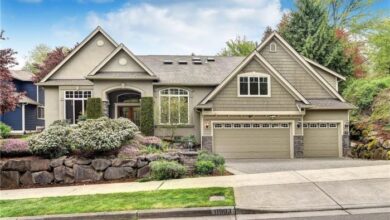
Energy-efficient home exterior materials for modern living

Introduction to Energy-efficient Home Exterior Materials
Energy-efficient home exterior materials – Energy-efficient materials play a crucial role in the construction of modern homes, enabling homeowners to reduce energy consumption while enhancing comfort. With increasing awareness about climate change and rising energy costs, the selection of exterior materials has become a significant aspect of home design. These materials not only contribute to a house’s aesthetic appeal but also impact its overall energy performance.Choosing energy-efficient exterior materials offers substantial environmental and financial advantages.
For instance, materials like insulated siding, energy-efficient windows, and reflective roofing can significantly lower heating and cooling costs. Furthermore, these choices contribute to reduced greenhouse gas emissions, making them a responsible option for eco-conscious homeowners. Investing in such materials can lead to substantial savings over time, with many homeowners reporting energy cost reductions of up to 30% annually.
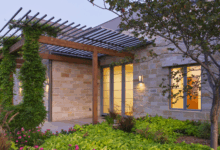





Current Trends in Energy-efficient Home Designs
The landscape of energy-efficient home designs is constantly evolving, reflecting advancements in technology as well as changing consumer preferences. Homeowners are increasingly drawn to designs that incorporate sustainable materials and innovative technologies. Key trends include:
- Use of Recycled Materials: Many builders are opting for products made from recycled components, such as recycled steel and reclaimed wood, which help in reducing waste and conserving natural resources.
- High-Performance Windows: Triple-pane windows that provide superior insulation are becoming a standard choice, minimizing heat loss and reducing energy bills.
- Green Roofs: Living roofs, which are covered with vegetation, not only enhance energy efficiency but also improve air quality and promote biodiversity.
- Cool Roofing Materials: Reflective roofing materials that deflect sunlight are gaining popularity, helping to reduce heat absorption and lower cooling costs.
As energy-efficient technologies continue to advance, the integration of smart home systems that monitor energy use and optimize performance is becoming increasingly commonplace. Homeowners are not only investing in materials but also in systems that allow them to manage their energy consumption effectively and efficiently, contributing to a more sustainable future.
Types of Energy-efficient Exterior Materials
Energy-efficient exterior materials play a critical role in reducing energy consumption and enhancing the comfort of a home. These materials contribute not only to energy savings but also to sustainability efforts by reducing the overall environmental impact of construction. In this section, we will explore various types of energy-efficient exterior materials, including insulation, siding, and roofing, as well as delve into renewable options like bamboo and recycled steel.
Insulation, Siding, and Roofing
Selecting the right insulation, siding, and roofing materials is essential for maintaining an energy-efficient home. These components work together to regulate temperature, reduce heat loss, and minimize energy costs. Below are some common types of insulation, siding, and roofing materials known for their energy efficiency:
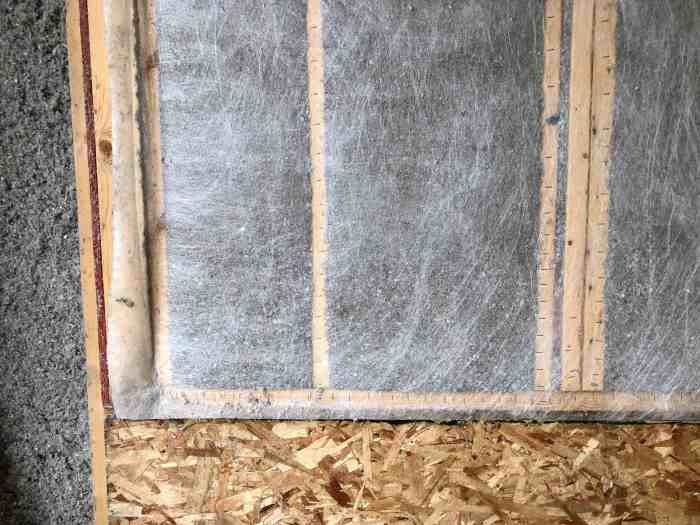
- Insulation: Materials such as spray foam, cellulose, and fiberglass provide excellent thermal resistance, keeping homes warm in winter and cool in summer. Spray foam, in particular, expands to fill gaps, creating an airtight seal that enhances energy efficiency.
- Siding: Options like fiber cement and insulated vinyl siding offer durability and insulation. Fiber cement is resistant to rot and pests, while insulated vinyl siding can improve energy efficiency by adding a layer of insulation to the wall.
- Roofing: Reflective metal roofing and cool roofing materials can significantly lower heat absorption, thereby reducing cooling costs. These roofs reflect sunlight and are often made from recycled materials, making them a sustainable choice.
Renewable Materials: Bamboo and Recycled Steel
Bamboo and recycled steel are two exemplary renewable materials that lend themselves well to energy-efficient construction. Bamboo is a fast-growing grass that can be harvested sustainably and is incredibly strong, making it an excellent choice for deckings and siding. Its natural insulating properties help in maintaining indoor temperatures.Recycled steel, on the other hand, is sourced from scrapped metal and repurposed for construction.
This material is not only durable but also resistant to pests and fire. Using recycled steel in roofing and framing helps reduce the demand for new steel production, thereby lowering greenhouse gas emissions associated with manufacturing.
Comparison of Traditional vs. Energy-efficient Exterior Materials
The choice between traditional and energy-efficient materials can impact both energy consumption and environmental sustainability. The following table summarizes the pros and cons of each:
| Material Type | Pros | Cons |
|---|---|---|
| Traditional Insulation | Lower initial cost; widely available. | Less effective thermal resistance; higher energy bills over time. |
| Energy-efficient Insulation | Higher thermal resistance; reduced energy consumption. | Higher upfront cost; requires professional installation. |
| Traditional Siding | Cost-effective; variety of options. | Poor insulation; less durable. |
| Energy-efficient Siding | Increased insulation; longer lifespan. | Initial investment can be high. |
| Traditional Roofing | Lower cost; readily available. | Limited energy efficiency; may require frequent replacement. |
| Energy-efficient Roofing | Reflects heat; reduces cooling costs. | Higher initial investment; may require specialized installation. |
Benefits of Energy-efficient Materials

Source: inhabitat.com
Energy-efficient home exterior materials not only enhance the aesthetic appeal of a residence but significantly contribute to sustainability and reduced energy consumption. Understanding the benefits of these materials is essential for homeowners looking to invest in a more responsible and cost-effective future.Energy-efficient materials play a crucial role in minimizing energy consumption by providing superior insulation and reducing heat transfer. This means that homes constructed or renovated with these materials require less energy for heating and cooling, leading to a significant decrease in overall energy use.
For instance, insulated vinyl siding or energy-efficient windows can prevent the loss of heated air during winter months and keep homes cooler during summer, effectively decreasing reliance on HVAC systems.
Reduced Energy Consumption
The application of energy-efficient materials leads to a marked reduction in energy consumption within homes. The properties of these materials allow them to maintain comfortable indoor temperatures with minimal energy input.
- Insulation: High-performing insulation materials help to keep warm air inside during winter and block heat during summer, effectively reducing the energy needed for heating and cooling.
- Windows: Energy-efficient windows minimize heat transfer and are often coated with low-emissivity (Low-E) glass, which reflects infrared light while allowing visible light to enter. This feature enhances comfort and reduces energy bills.
- Roofing: Reflective roofing materials can reduce heat absorption, keeping homes cooler in hot weather, which lessens the demand for air conditioning.
Long-term Cost Savings
Investing in energy-efficient materials yields substantial long-term financial benefits that extend beyond immediate utility savings. The initial investment in these materials often pays off in various ways over time.
- Lower Utility Bills: Homeowners can experience savings of up to 30% on utility bills when using energy-efficient materials, depending on the climate and the extent of energy upgrades.
- Tax Incentives: Many regions offer tax credits or rebates for homeowners who choose energy-efficient materials, which can help offset the upfront costs.
- Durability: Quality energy-efficient materials often last longer than standard materials, reducing replacement and maintenance costs over time.
Impact on Home Resale Value
The use of energy-efficient materials can significantly enhance a home’s resale value. Buyers are increasingly seeking properties that offer lower operating costs and environmental sustainability, making such homes more attractive in the market.
- Market Demand: Energy-efficient homes typically sell faster and at a higher price than comparable homes without these features, as homeowners are willing to pay a premium for long-term savings.
- Energy Performance Ratings: Homes equipped with energy-efficient materials often receive better energy scores, which can be a selling point in property listings.
- Perceived Value: The trend towards sustainability has made energy-efficient homes more desirable, as buyers view them as investments that will save money and reduce carbon footprints.
Designing with Energy-efficient Materials
Source: atticsandmore.com
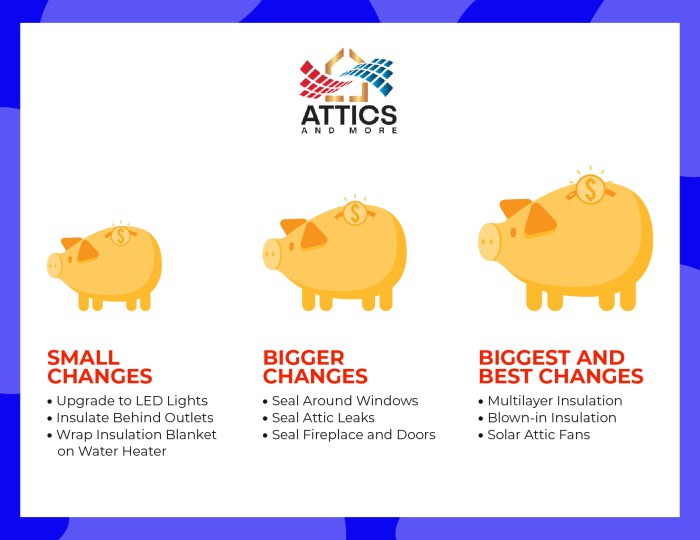
Designing a home with energy-efficient materials requires careful consideration of various factors, including climate, location, and aesthetic preferences. By selecting the right materials, homeowners can significantly reduce their energy consumption, enhance comfort, and lower utility bills. This section provides a comprehensive guide for choosing energy-efficient materials, integrating them into design plans, and showcasing successful examples.
Guidelines for Selecting Energy-efficient Materials
When selecting energy-efficient materials, it’s essential to consider the specific climate and location of the home. Different materials perform better in various environmental conditions, impacting energy efficiency. Here are key guidelines to help in the selection process:
- Climate Compatibility: Choose materials that are suited to your local climate. For example, in hot climates, materials with high thermal mass, such as concrete or brick, can help regulate indoor temperatures.
- Local Availability: Opt for materials that are locally sourced to reduce transportation energy costs and support community businesses.
- Durability and Maintenance: Select materials that are not only energy-efficient but also durable and require minimal maintenance, ensuring longevity and reducing replacement costs.
- Aesthetic Considerations: Ensure that the selected materials align with the desired aesthetic of the home. Energy-efficient materials come in a variety of designs and finishes to suit different architectural styles.
Integrating Energy-efficient Materials into Home Design Plans
Integrating energy-efficient materials into your home design involves a structured approach. Here’s a step-by-step procedure to facilitate a smooth incorporation of these materials into your plans:
- Assess Current Design: Review existing architectural plans to identify areas that can be improved with energy-efficient materials.
- Conduct a Site Analysis: Analyze the site for factors such as sun orientation, wind patterns, and natural shading, which influence material selection and positioning.
- Material Research: Investigate various energy-efficient materials that meet aesthetic and performance criteria. Consider insulation types, window technologies, and roofing options.
- Consult Professionals: Work with architects and builders experienced in energy-efficient designs to ensure that your plans are feasible and meet local building codes.
- Finalize Design: Incorporate the selected materials into the design, ensuring alignment with energy efficiency goals while maintaining aesthetic appeal.
- Plan for Installation: Prepare for the installation process by coordinating with contractors who are knowledgeable about energy-efficient building techniques.
Design Examples of Successful Energy-efficient Home Exteriors
Several innovative designs showcase the effective use of energy-efficient materials in home exteriors. These examples illustrate how such materials can enhance both functionality and visual appeal.One notable design is the use of reclaimed wood siding in a modern home located in a temperate region. This material not only provides an attractive, rustic aesthetic but also boasts excellent insulation properties, reducing energy costs in both winter and summer.Another example can be found in a passive house design that utilizes triple-glazed windows, promoting maximum insulation and solar heat gain while maintaining natural light.
The combination of these windows with a green roof contributes to overall energy efficiency and biodiversity.
“Designing with energy-efficient materials is not just an investment in your home; it’s a commitment to sustainability and reducing your carbon footprint.”
Incorporating these design elements not only enhances the exterior beauty of homes but also significantly contributes to energy savings and environmental stewardship.
Innovations in Energy-efficient Materials
The landscape of energy-efficient home exterior materials is constantly evolving, driven by technological advancements and an increasing demand for sustainability. Innovations in this field not only enhance energy performance but also contribute to the aesthetic appeal and longevity of homes. As we explore some of these groundbreaking developments, it’s essential to recognize their potential impact on future home designs and energy consumption.Recent technological advancements in materials have introduced a range of innovative options that significantly improve energy efficiency.
Companies and researchers are focusing on creating products that offer superior insulation, durability, and eco-friendliness, revolutionizing the construction industry. These advancements include the development of smart materials, which can adapt to environmental changes, and bio-based materials that are derived from renewable resources.
Smart Materials in Energy Efficiency
Smart materials stand out due to their ability to respond to environmental conditions. For instance, thermochromic and photochromic materials change their properties based on temperature and light exposure, respectively. These materials can be used in windows that darken in bright sunlight, thereby reducing heat gain during the summer months.Additionally, phase change materials (PCMs) are being integrated into building envelopes. These materials absorb, store, and release thermal energy, enhancing indoor climate control while minimizing energy consumption.
By maintaining stable indoor temperatures, PCMs can significantly reduce reliance on heating and cooling systems.
Emerging Trends in Energy-efficient Materials
The shift towards sustainability is paving the way for several upcoming trends in energy-efficient materials. These trends not only aim to reduce energy consumption but also seek to create healthier living environments. Key trends include:
Recyclability and Upcycling
Materials that can be easily recycled or upcycled are gaining popularity. This approach not only mitigates waste but also promotes a circular economy where resources are reused.
3D Printed Materials
The rise of 3D printing technology allows for the creation of bespoke building materials that are tailored to specific environmental conditions, enhancing energy efficiency without compromising design.
Bioplastics
Derived from renewable biomass sources, bioplastics are becoming a viable alternative to traditional plastics in construction. They offer a lower carbon footprint and can be designed for specific thermal performance.These trends indicate a significant shift in how materials are produced and utilized in home construction, positioning energy efficiency at the forefront of modern architecture.
Case Studies of Innovative Materials
Examining real-world applications of innovative energy-efficient materials provides insight into their practical benefits. One notable case is the Bullitt Center in Seattle, known as the greenest commercial building in the world. This building employs triple-glazed windows that improve insulation and reduce energy costs. Furthermore, its green roof acts as a natural insulator, helping to maintain temperature regulation throughout the year.Another example is the use of structural insulated panels (SIPs) in residential buildings.
These panels integrate insulation and structural support in one, resulting in faster construction times and reduced energy loss. Homes built with SIPs can achieve energy savings of up to 50% compared to traditional wood framing.In a more experimental approach, the Eastgate Centre in Zimbabwe utilizes passive cooling techniques inspired by termite mounds. The building’s design minimizes the need for conventional air conditioning, demonstrating how innovative design concepts can yield substantial energy savings.In conclusion, the innovations in energy-efficient materials reflect a commitment to sustainability and efficiency that will shape the future of home construction.
As these advancements continue to evolve, they hold the promise of creating not only environmentally friendly homes but also healthier living spaces for generations to come.
Local Regulations and Energy-efficient Practices
Source: greystonehomesmi.com
Understanding local regulations and energy-efficient practices is crucial for homeowners looking to enhance their homes’ sustainability. Many regions have established building codes that not only encourage the use of energy-efficient materials but also set standards that help reduce energy consumption and environmental impact. Familiarizing oneself with these regulations can lead to significant savings and more environmentally friendly home improvements.Local building codes often include specifications for insulation, window performance, and the types of materials that can be used in construction.
These codes are designed to ensure safety and efficiency in residential buildings. Additionally, many municipalities offer incentives to motivate homeowners to choose energy-efficient options.
Local Building Codes Supporting Energy Efficiency
Building codes vary by location but generally include guidelines that encourage the use of energy-efficient materials. Key aspects often covered under these codes include:
- Mandatory energy efficiency ratings for windows and doors, such as Energy Star standards.
- Requirements for insulation levels in walls and attics to minimize heat loss.
- Guidelines for the installation of energy-efficient HVAC systems that reduce energy consumption.
- Regulations on sustainable building materials that promote recyclability and reduced environmental impact.
These regulations are essential as they establish a baseline for energy efficiency that builders must adhere to. Homeowners should consult local building departments to understand specific requirements in their area.
Incentives and Rebates for Energy-efficient Choices
Homeowners can benefit from a variety of incentives and rebates when opting for energy-efficient materials and upgrades. These financial incentives not only reduce the initial costs but also encourage a more sustainable lifestyle. Many states and local governments provide programs that include:
- Tax credits for purchasing energy-efficient appliances and renewable energy systems.
- Utility rebates for improving insulation, upgrading HVAC systems, or installing energy-efficient windows.
- Grants for retrofitting homes to meet energy-efficient standards.
- Financing options with lower interest rates for energy-efficient home improvements.
These incentives can significantly lessen the financial burden on homeowners and promote a shift towards more sustainable living environments.
Resources for Energy-efficient Building Practices
Various resources are available for homeowners aiming to learn more about energy-efficient building practices. These resources can provide valuable information on best practices, new technologies, and funding opportunities.Important resources include:
- Local government websites that Artikel building codes and available incentives.
- Non-profit organizations dedicated to promoting energy efficiency, such as the U.S. Green Building Council.
- Online platforms offering courses and certifications in sustainable building practices.
- Community workshops and seminars hosted by local energy efficiency programs.
These resources help homeowners make informed decisions, stay compliant with regulations, and ultimately contribute positively to the environment.
Maintenance of Energy-efficient Exterior Materials
Maintaining energy-efficient exterior materials is crucial for ensuring their longevity and effectiveness in improving a home’s energy performance. Regular care not only preserves aesthetics but also maximizes the benefits these materials provide, such as insulation and weather resistance. Understanding how to properly maintain these materials helps homeowners avoid costly repairs and enhances the overall durability of their homes.Regular inspections and upkeep play a vital role in maintaining energy-efficient exterior materials.
They help identify potential issues early, allowing for timely interventions that can prevent more significant problems down the line. For instance, checking for cracks in insulation or signs of wear on roofing can contribute significantly to maintaining a home’s energy efficiency.
Care and Maintenance Tips for Energy-efficient Materials
Proper care and maintenance of different energy-efficient materials can extend their life and performance. Here are some practical tips to consider:
- Vinyl Siding: Regularly clean with a mild detergent and water to remove dirt and prevent mold growth. Inspect for any cracks or fading, and replace sections as needed.
- Fiber Cement Siding: Ensure it’s painted or stained at regular intervals to prevent moisture intrusion. Check caulking and sealants for wear and replace them to maintain a weather-tight seal.
- Metal Roofing: Inspect at least twice a year for rust or loose fasteners. Keep gutters clean to ensure drainage and prevent water damage.
- Insulated Windows: Clean window frames and sills regularly to prevent buildup. Inspect seals or weatherstripping for air leaks, replacing them if necessary.
- Wood Siding: Apply a protective finish every few years to guard against UV rays and moisture. Monitor for signs of rot or pest infestation, addressing issues promptly.
Importance of Regular Inspections, Energy-efficient home exterior materials
Regular inspections of energy-efficient exterior materials are key to maintaining their performance and extending their lifespan. Here are several reasons emphasizing their importance:
- Early Detection: Spotting problems early can save homeowners from extensive repairs and higher energy bills.
- Optimal Performance: Ensures that materials retain their insulating properties, which is essential for energy efficiency.
- Cost-effectiveness: Preventive maintenance tends to be more economical than reactive repairs, especially when major replacements can be avoided.
Common Challenges and Solutions in Maintenance
Maintaining energy-efficient exterior materials can come with its own set of challenges. Recognizing these issues and applying effective solutions can ensure long-lasting performance.
- Weather Damage: Exposure to harsh weather can wear down materials. Regular maintenance schedules can help mitigate this by allowing for timely repairs.
- Mold and Mildew Growth: High humidity can lead to mold on some materials. Using mold-resistant paints and ensuring proper ventilation can combat this issue.
- Fading and Discoloration: UV exposure may alter the appearance of materials. Choosing UV-resistant products can help maintain aesthetics over time.
- Cracking and Deterioration: Changes in temperature can cause materials to expand and contract. Selecting materials with flexibility can minimize the risk of cracking.
Final Thoughts
In conclusion, the journey through energy-efficient home exterior materials showcases a blend of environmental consciousness and practical benefits. By choosing the right materials, homeowners can enjoy reduced energy bills, increased property value, and a more sustainable lifestyle. As trends continue to evolve, staying informed will empower homeowners to make choices that positively impact both their lives and the planet.
Frequently Asked Questions: Energy-efficient Home Exterior Materials
What are energy-efficient exterior materials?
Energy-efficient exterior materials are building components designed to minimize energy use in homes, such as insulation, siding, and roofing that enhance thermal performance.
How do energy-efficient materials save money?
They lower energy consumption, leading to reduced heating and cooling costs over time, offering long-term financial savings for homeowners.
Are there local incentives for using energy-efficient materials?
Yes, many local governments offer incentives such as tax credits or rebates for homeowners who choose energy-efficient options in their building projects.
Can energy-efficient materials improve home resale value?
Absolutely, homes with energy-efficient features often attract buyers looking for sustainability, potentially increasing resale value.
What maintenance is required for energy-efficient exteriors?
Regular inspections and maintenance are necessary to ensure the longevity and effectiveness of energy-efficient materials, preventing issues like moisture buildup or wear over time.