Introduction to Custom Home Design Services
Source: homedesigningservice.com
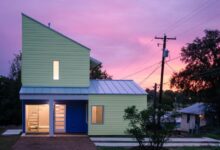
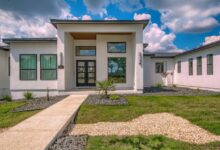
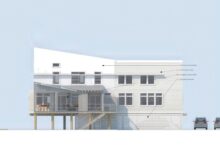

Custom home design services involve the creation of unique residential spaces tailored to meet the individual needs and preferences of clients. This process encompasses everything from architectural planning to interior design, ensuring that each home reflects the owner’s personal style and functional requirements. By prioritizing customization, these services help clients achieve their dream homes rather than settling for pre-existing designs.The importance of custom home design in the construction industry cannot be overstated.
It allows for greater flexibility in layout, materials, and aesthetics, setting a foundation for innovation in residential construction. Custom designs can enhance the livability of a space, ensuring that it meets the specific lifestyle demands of the inhabitants. Personalization is also key in adding value to a property, as homes that reflect individual tastes often attract higher market interest and resale potential.
Advantages of Personalized Home Design for Clients
Personalized home design offers numerous benefits, making it a preferred choice for many homeowners. Understanding these advantages can help clients appreciate the value of investing in custom design services.
- Unique Aesthetic Appeal: Custom homes allow homeowners to express their individuality through personalized design choices, from color schemes to architectural styles.
- Functional Spaces: Clients can design spaces that suit their daily routines and activities, ensuring that every area of the home is used effectively.
- Energy Efficiency: Tailoring home design can lead to smarter layouts and material choices that enhance energy efficiency, ultimately lowering utility costs.
- Quality Craftsmanship: Working with custom designers often means collaborating with skilled artisans and builders, resulting in superior quality and attention to detail.
- Long-Term Satisfaction: A home designed with personal input is more likely to meet evolving needs over time, reducing the likelihood of the need for renovations or alterations in the future.
“Custom home design is not just about aesthetics; it’s about creating a space that aligns with the homeowner’s lifestyle and values.”
Types of Custom Home Design Services
Custom home design services encompass a wide range of offerings tailored to meet the unique needs and preferences of homeowners. These services can vary significantly based on the level of involvement and expertise required throughout the design and building process. Understanding the different types of custom home design services can help you make informed decisions when embarking on your home-building journey.One of the primary distinctions within custom home design services lies between full-service design and consultation-only services.
Full-service design includes comprehensive support from the initial concept through to the completed build, ensuring that every detail aligns with the homeowner’s vision. In contrast, consultation-only services provide specific guidance and advice without full project oversight, making them suitable for homeowners who may wish to retain control over aspects of the design or construction process.
Full-Service Design vs. Consultation-Only Services, Custom home design services
Full-service design is ideal for homeowners seeking a one-stop solution, as it offers the following benefits:
- Complete project management from concept to completion, reducing stress for the homeowner.
- Access to a network of trusted contractors and suppliers, streamlining the building process.
- Incorporation of personalized design elements tailored to the homeowner’s specifications.
- Ongoing communication and support throughout the construction phase to address any issues that arise.
Consultation-only services serve as a valuable option for homeowners who prefer a more hands-on approach, featuring:
- Expert advice on design concepts and styles without full oversight of the project.
- Flexibility to implement recommendations at the homeowner’s pace and discretion.
- Access to professional insights that can enhance the homeowner’s understanding of design principles.
- Cost-effectiveness, as consultation services can be limited to specific aspects of the project.
The Role of Architectural Services in Custom Home Design
Architectural services play a vital role in custom home design, acting as the foundation for creating functional and aesthetically pleasing spaces. These services typically encompass the following key elements:
- Site analysis to assess the land and its potential for development.
- Development of detailed drawings and specifications to guide construction accurately.
- Collaboration with engineers and other specialists to ensure compliance with building codes and regulations.
- Creation of 3D renderings or models that allow homeowners to visualize their new home before construction begins.
Architects not only focus on the technical aspects but also integrate design principles that enhance the overall living experience. By considering factors such as natural light, sustainable materials, and spatial flow, architectural services help create homes that are both beautiful and functional.
“Architectural services are essential to transforming a homeowner’s vision into a tangible reality, ensuring that every element aligns with their lifestyle and preferences.”
The Custom Home Design Process
The custom home design process is a journey that transforms your vision into a tangible living space. Each step is crucial for ensuring that the final product not only meets but exceeds your expectations. Understanding this process helps you appreciate the intricate planning and collaboration that goes into creating your dream home.The process begins with an idea and evolves through careful planning, design, and execution.
Each phase requires attention to detail and a deep understanding of the client’s needs. Consulting with a professional designer early in the process ensures that your home will reflect your unique style while adhering to practical considerations such as budget and local building codes.
Step-by-Step Process Overview
The custom home design process can be broken down into several key phases. Each phase plays a significant role in ensuring that the final product aligns with the client’s vision and functional needs. Below is a detailed Artikel of these phases:
| Phase | Description | Timeline |
|---|---|---|
| Initial Consultation | Meet with the client to discuss goals, preferences, and budget. | 1-2 weeks |
| Needs Assessment | Assess the client’s lifestyle, requirements, and site considerations. | 1 week |
| Conceptual Design | Create initial design concepts and layouts based on client feedback. | 2-4 weeks |
| Design Development | Refine designs, select materials, and finalize details. | 3-6 weeks |
| Construction Documents | Prepare detailed drawings and specifications for builders. | 4-8 weeks |
| Permitting | Submit plans to local authorities for approvals and permits. | 4-12 weeks |
| Construction | Begin building the home according to the finalized plans. | 5-12 months |
| Final Walk-Through | Conduct a final inspection and address any last-minute changes. | 1-2 weeks |
Understanding the significance of client consultations and needs assessments is vital. These initial meetings allow designers to grasp the client’s vision and lifestyle, ensuring that the custom home will be practical and comfortable. A thorough needs assessment can lead to considerable savings in both time and resources by avoiding potential redesigns and miscommunications later in the process.
“The key to a successful custom home design lies in effective communication and a deep understanding of client needs.”
Throughout the process, collaboration and feedback are essential. Regular updates and discussions ensure that the project stays aligned with the client’s expectations, leading to a smoother construction phase and a more satisfying outcome.
Key Elements of Custom Home Design
Custom home design is an exciting journey that allows homeowners to create their ideal living space. When embarking on this adventure, understanding the key elements that define a well-thought-out design is crucial. These elements not only enhance the functionality of the home but also contribute significantly to its aesthetic appeal.The foundation of a successful custom home design lies in its layout and functionality.
A well-planned layout considers how spaces interact with each other and serves the daily needs of its inhabitants. This involves careful consideration of room sizes, placements, and flow, ensuring that every area is both usable and cohesive. Functionality must also cater to the lifestyle of the residents, whether it be for a growing family, a couple, or individuals who prioritize entertainment.
Layout and Functionality
An effective layout maximizes space while providing ease of movement and accessibility. Important factors to consider include:
- Open Floor Plans: These designs promote a sense of spaciousness and encourage social interaction by connecting living, dining, and kitchen areas.
- Dedicated Zones: Identifying specific areas for relaxation, work, and entertainment enhances functionality and can improve the overall living experience.
- Natural Light: Strategic window placements and high ceilings can create an inviting atmosphere, reducing the need for artificial lighting during the day.
- Storage Solutions: Ample storage, such as built-in shelving and multi-functional furniture, prevents clutter and keeps spaces organized.
Aesthetic Impact in Custom Design
Aesthetics play a vital role in custom home design, influencing the emotional response of its occupants and guests. A well-designed home not only looks appealing but also reflects the personal style of the residents. Key aesthetic elements include:
- Color Schemes: Thoughtfully chosen colors can evoke various moods, from calming neutrals to energizing bold hues, influencing the overall ambiance of the home.
- Materials: High-quality materials such as natural wood, stone, and sustainable products can enhance the visual appeal while providing durability.
- Architectural Details: Elements like crown molding, custom cabinetry, and unique fixtures add character and charm to the design.
- Landscaping: Outdoor spaces that harmonize with the home’s design create a seamless transition between the interior and exterior, enriching the overall aesthetic experience.
Trending Features in Custom Home Designs
Staying current with design trends can bring modernity and functionality to custom home projects. Some popular features include:
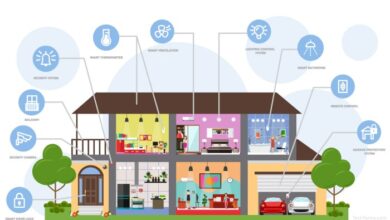
- Smart Home Technology: Integrating smart systems for lighting, heating, and security enhances convenience and energy efficiency.
- Eco-Friendly Elements: Features like solar panels, energy-efficient appliances, and sustainable materials not only appeal to environmentally conscious homeowners but also reduce long-term costs.
- Outdoor Living Spaces: Expanding living areas to include patios, outdoor kitchens, and fire pits creates an inviting atmosphere for entertainment and relaxation.
- Multi-Generational Spaces: Homes designed to accommodate extended family members often include separate entrances or suites, promoting privacy while fostering family connections.
These key elements combine to create a custom home that is not only beautiful but also practical and tailored to the unique needs of its inhabitants.
Working with Custom Home Designers
Choosing the right custom home designer can significantly impact the success of your project. A designer not only provides aesthetic vision but also practical solutions to ensure that your home reflects your style and meets your functional needs. This collaboration requires clear communication and a mutual understanding of goals to navigate the complexities of custom home design.
Choosing the Right Custom Home Designer
Selecting a custom home designer involves several considerations that ensure alignment between your vision and the designer’s expertise. It is crucial to review portfolios and past projects to gauge their style and versatility. Look for designers whose previous work resonates with your architectural preferences, whether modern, traditional, or eclectic. Additionally, consider the designer’s experience and credentials, as well as references from previous clients.
Engaging a designer who understands local building codes and zoning regulations can also simplify the process and avoid potential setbacks.
Importance of Communication and Collaboration
Effective communication and collaboration with your designer foster a productive partnership throughout the design process. Regular updates and feedback sessions can help clarify expectations and prevent misunderstandings. Establishing clear channels of communication, such as weekly check-ins or digital project management tools, ensures that both parties remain aligned on objectives. Being open about your ideas, budget constraints, and timeline promotes a transparent working relationship that enhances creativity and problem-solving.
Common Challenges and Solutions in the Design Process
While the design process can be exciting, it often presents challenges that require proactive solutions. Common issues include budget constraints, unexpected site conditions, and differing design visions. To address these challenges effectively:
- Budget Management: Establish a clear budget early on and communicate it to your designer. Regularly review costs throughout the process to avoid exceeding financial limits.
- Site Conditions: Conduct thorough site assessments before starting the design. Anticipating challenges like soil stability or zoning restrictions can save time and resources.
- Design Vision Conflicts: Engage in open discussions about design preferences and compromises. Create mood boards or use design software to visualize ideas and reach consensus.
“Collaboration and flexibility are the keys to navigating challenges in custom home design.”
By recognizing potential hurdles and maintaining an open dialogue, clients and designers can work together to create a harmonious and successful home design experience.
Budgeting for Custom Home Design: Custom Home Design Services
Source: wixstatic.com
When embarking on the journey of custom home design, understanding the financial aspects is crucial for a successful project. Budgeting effectively helps ensure that your dream home becomes a reality without unexpected financial strains. A well-planned budget allows you to allocate funds appropriately across various aspects of the design and construction process.Several factors play a significant role in determining the overall cost of custom home design services.
These include the complexity of the design, the size of the home, location, materials chosen, and any additional features or amenities you wish to incorporate. Recognizing these elements can help you make informed decisions as you plan your finances.
Factors Influencing Cost
Understanding the costs associated with custom home design involves recognizing the various expenses you may encounter throughout the process. Here are some common expenses to consider:
- Design Fees: Payments to architects or designers, which typically range based on experience and project complexity.
- Permitting Fees: Local government fees required for building permits, which can vary significantly by location.
- Material Costs: Expenses for construction materials, influenced by quality, availability, and current market rates.
- Labor Costs: Charges for contractors, subcontractors, and skilled laborers needed for construction.
- Site Preparation: Costs associated with preparing the land, including grading, excavation, and utility hookups.
- Interior Finishes: Expenses for items such as flooring, cabinetry, fixtures, and appliances.
- Landscaping: Costs related to outdoor spaces, including plants, hardscaping, and features like patios or decks.
- Contingency Fund: A recommended reserve, usually 10-15% of the total budget, to cover unforeseen expenses.
Managing and optimizing your budget throughout the custom home design process is essential for keeping the project on track financially. Here are some strategies to consider:
- Define Priorities: Identify which elements of your design are non-negotiable versus those that can be adjusted without compromising your vision.
- Get Multiple Estimates: Don’t settle for the first quote; obtain several estimates from different professionals to ensure competitive pricing.
- Consider Long-Term Investments: Invest in quality materials and energy-efficient systems that may have higher upfront costs but save money in the long run.
- Stay Involved: Regularly communicate with your design team to ensure the project stays within budget and address any concerns immediately.
- Monitor Spending: Keep track of all expenses against your budget to identify overspending early and reallocate funds as necessary.
By being proactive with your budget and understanding the factors that influence costs, you can navigate the custom home design process with confidence, resulting in a beautiful home that aligns with your financial goals.
Trends in Custom Home Design
The landscape of custom home design is ever-evolving, influenced by shifts in lifestyle preferences, technological advancements, and environmental concerns. Today’s homeowners seek not only aesthetic appeal but also functionality and sustainability in their living spaces. This blend of innovation and practicality defines the latest trends in custom home design.Sustainable and eco-friendly design practices are at the forefront of modern home building.
Homeowners are increasingly looking for ways to reduce their carbon footprint while enhancing the energy efficiency of their spaces. This shift is not merely a trend but a lifestyle choice that reflects a growing awareness of environmental issues. Today, energy-efficient appliances, solar panels, and sustainable materials are integral parts of custom home design.
Sustainable Design Practices
Sustainable design practices focus on minimizing environmental impact while maximizing efficiency and comfort. The integration of eco-friendly elements into custom homes has become standard practice. Key components include:
- Use of Recycled Materials: Builders increasingly incorporate materials such as reclaimed wood, recycled metal, and sustainable concrete, which not only reduce waste but also add unique character to a home.
- Energy Efficiency: The adoption of high-performance windows, improved insulation, and energy-efficient HVAC systems helps reduce energy consumption significantly.
- Water Conservation: Implementing low-flow fixtures and rainwater harvesting systems in custom homes promotes responsible water use.
- Landscaping with Native Plants: Selecting native plants for landscaping reduces the need for irrigation, fertilizers, and pesticides, promoting biodiversity and sustainability.
Innovative Technologies in Design
The integration of cutting-edge technology in custom home design enhances functionality and comfort. Innovations in home automation and construction technologies streamline the building process and improve the end-user experience. Some of the notable technologies include:
- Smart Home Systems: Homeowners can control lighting, climate, and security systems remotely through smartphones or voice-activated devices, enhancing convenience and security.
- 3D Printing: The use of 3D printing technology allows for rapid prototyping of building components, reducing construction time and costs while enabling intricate designs that would be difficult to achieve through traditional methods.
- Virtual Reality (VR) and Augmented Reality (AR): These technologies provide potential homeowners with immersive experiences, allowing them to visualize their custom homes before construction begins.
- Energy Management Systems: Advanced software systems monitor energy usage in real-time, enabling homeowners to optimize energy consumption and reduce costs.
Current Aesthetic Trends
The aesthetic appeal of custom homes continues to evolve, with certain design elements becoming increasingly popular. The following trends are defining the look and feel of modern custom homes:
- Open Floor Plans: These layouts create a sense of spaciousness and promote social interaction, making them a favored choice among families.
- Natural Light: Large windows and skylights are prioritized to maximize sunlight, enhancing mood and reducing reliance on artificial lighting.
- Indoor-Outdoor Living: Seamless transitions between indoor and outdoor spaces through large sliding doors or outdoor living areas are highly sought after, promoting a harmonious connection with nature.
- Minimalistic Design: Clean lines, neutral colors, and uncluttered spaces reflect a modern aesthetic that emphasizes simplicity and functionality.
“Embracing the latest trends in custom home design not only elevates aesthetic appeal but also fosters a sustainable and technologically advanced living environment.”
Case Studies of Successful Custom Home Designs
Source: accuratedesigns.ca
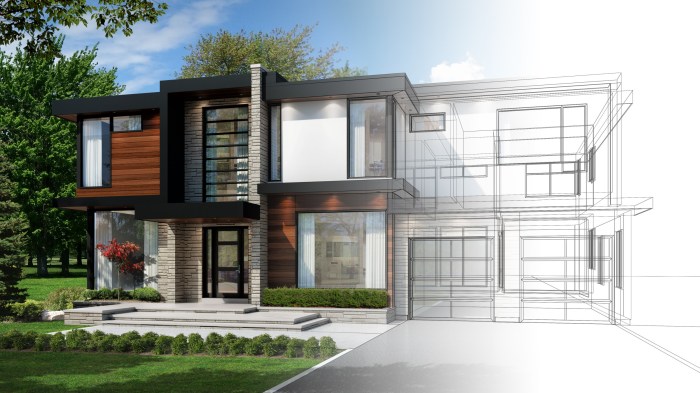
Custom home design services can profoundly impact clients, transforming their visions into tangible realities. Through various case studies, we can explore the successful collaborations between homeowners and designers that resulted in stunning custom homes tailored to individual preferences and lifestyles. These examples illustrate the creativity, functionality, and client satisfaction achievable through bespoke design processes.One notable aspect of these case studies is the diverse range of styles and requirements that each project entailed, showcasing how custom designs cater to unique needs.
Below, we delve into a selection of successful custom home design projects, accompanied by client testimonials that reflect their experiences and satisfaction.
Case Study Summaries
The following table summarizes key features of each case study, illustrating the distinct design elements, architectural choices, and client feedback, emphasizing the effectiveness of custom home design services.
| Project Name | Location | Style | Key Features | Client Testimonial |
|---|---|---|---|---|
| Serenity Retreat | Lake Tahoe, CA | Modern Mountain | Open floor plan, large windows, eco-friendly materials | “This home perfectly captures the essence of tranquility and nature. It feels like a personal sanctuary!” |
| Urban Oasis | Chicago, IL | Contemporary | Rooftop garden, smart home technology, flexible living spaces | “We wanted a home that reflected our lifestyle, and this design exceeded our expectations in every way.” |
| The Coastal Dream | Miami Beach, FL | Coastal Chic | Open verandas, natural light, beach-inspired decor | “The designer captured our love for the coast, and it feels like a vacation every day!” |
| Farmhouse Revival | Nashville, TN | Modern Farmhouse | Large porches, reclaimed wood, energy-efficient appliances | “We combined our love for the old with modern conveniences, and it turned out beautifully.” |
Through these case studies, we observe how custom home design services not only meet functional needs but also create spaces that resonate emotionally with clients, enhancing their lifestyle and satisfaction. Each project stood as a testament to the power of personalized design, paving the way for future homeowners to realize their dreams.
Future of Custom Home Design Services
As the landscape of custom home design continues to evolve, it is essential to examine the future developments that may shape the industry. With growing demands for sustainability, efficiency, and personalization, the custom home design services are on the brink of a significant transformation. Understanding these potential changes helps both designers and homeowners prepare for what lies ahead.The future of custom home design services is poised to be influenced by various market demands and advancements in technology.
Increasing awareness of environmental issues is pushing clients towards greener solutions, while innovations in building materials and methods are offering exciting new possibilities. Designers who adapt to these changes will find themselves at the forefront of the industry.
Emerging Design Trends
Future design trends will likely emerge from a blend of consumer preferences and technological advancements. Homeowners are expected to prioritize features that enhance comfort and sustainability. Key areas for focus may include:
- Sustainability: Homeowners will increasingly demand eco-friendly materials and energy-efficient designs, leading to a rise in the use of solar panels, green roofs, and sustainable building materials.
- Smart Home Integration: The integration of smart technology will become commonplace, with designs incorporating systems such as automated lighting, climate control, and security features that can be managed remotely.
- Flexible Spaces: As remote work becomes more prevalent, the demand for flexible spaces within homes will grow, allowing homeowners to adapt their living areas for work and leisure seamlessly.
- Health and Wellness Features: An emphasis on health and wellness will drive demand for features such as improved air quality systems, natural lighting, and outdoor living spaces that promote a connection to nature.
The Role of Technology in Custom Home Design
Technology will play a critical role in shaping the future of custom home design services. Innovations in design software, virtual reality (VR), and building information modeling (BIM) are enhancing the design process.
“Technology is not just a tool; it’s a driving force that reshapes the design landscape.”
The following technological advancements are set to redefine the industry:
- Virtual Reality: VR allows clients to experience their future home before construction begins, providing a more immersive understanding of space and design choices.
- Building Information Modeling (BIM): BIM facilitates better collaboration among architects, designers, and builders, leading to increased accuracy and efficiency in the design process.
- 3D Printing: This technology enables the creation of custom building components, reducing waste and allowing for more intricate designs that were previously difficult to achieve.
- Augmented Reality: AR can assist clients in visualizing design elements in real-time, helping them make informed decisions about materials and layouts.
In conclusion, the future of custom home design services is set to be characterized by a blend of sustainability, technological integration, and adaptable living spaces. As market demands shift, designers who embrace these changes will not only meet client needs but also lead the way in innovative home design solutions.
Last Recap
In summary, custom home design services play a crucial role in bringing dreams to life, offering clients a chance to create spaces that resonate with their personal style and requirements. As trends evolve and technology advances, the future of custom home design will continue to adapt, ensuring that each project remains fresh and relevant. Ultimately, embracing these services means not just building a house, but crafting a home that tells your story.
User Queries
What is the difference between custom and traditional home design?
Custom home design is tailored to the client’s specific preferences and lifestyle, while traditional home design typically follows pre-set plans without personalization.
How long does the custom home design process take?
The duration varies based on the complexity of the project, but it generally ranges from a few months to over a year, depending on client input and decision-making.
Can I make changes during the design process?
Yes, the design process is collaborative, and clients are encouraged to provide feedback and suggest changes at various stages.
What should I consider when budgeting for custom home design?
Consider factors like size, materials, location, and any specific features, as these can significantly affect overall costs.
Are there eco-friendly options available in custom home design?
Yes, many designers now offer sustainable design practices, including energy-efficient materials and eco-friendly technologies.