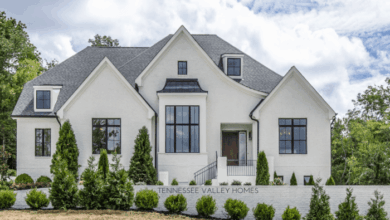
Introduction to Contemporary Home Exteriors
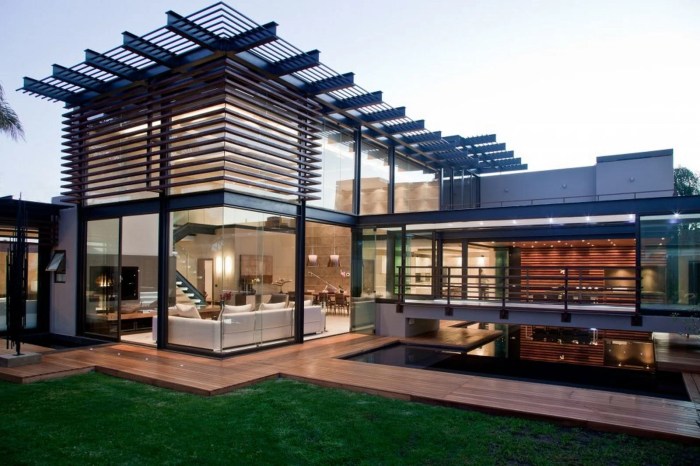
Source: thewowstyle.com




Contemporary home exterior ideas – Contemporary home exteriors represent a significant evolution in architectural design, reflecting modern lifestyles and aesthetic preferences. These exteriors prioritize functionality, sustainable materials, and clean lines, making them an essential element of today’s architectural landscape. The importance of contemporary home exteriors lies in their ability to blend comfort, style, and environmental considerations into living spaces that resonate with their surroundings.Common characteristics of contemporary home exteriors include a strong emphasis on minimalism, open spaces, and materials that reflect a connection to nature.
The use of large windows for natural light and sightlines, flat or shed roofs, and the integration of outdoor spaces are typical features. These designs often incorporate sustainable practices such as solar panels and rainwater harvesting systems, showcasing a commitment to environmental stewardship while enhancing the aesthetic appeal.
Design Influences on Contemporary Home Exteriors
The design of contemporary home exteriors is influenced by various cultural movements and architectural styles, creating a rich tapestry of ideas and inspirations. These influences can be categorized into a few key areas:
- Modernism: The principles of modernism, emphasizing simplicity and functionality, have heavily shaped contemporary designs. Characteristics such as open floor plans and the lack of ornamentation are inherited from modernist ideals.
- Regional Adaptation: Contemporary designs often adapt to local climates and landscapes, ensuring that homes are not only visually appealing but also practical and sustainable in their environment. For example, homes in coastal areas may feature raised structures to mitigate flooding.
- Sustainable Architecture: With a growing emphasis on sustainability, many contemporary homes incorporate eco-friendly materials like reclaimed wood, recycled metal, and concrete. This focus on sustainability reflects a cultural shift towards environmental responsibility.
- Technology Integration: Smart home technology has become a hallmark of contemporary design, with features like automated lighting, security systems, and energy-efficient appliances seamlessly integrated into the exterior and functionality of the home.
“Contemporary home exteriors are as much about the experience of living as they are about aesthetic appeal, merging form and function in innovative ways.”
Popular Materials for Contemporary Home Exteriors
Source: hzcdn.com
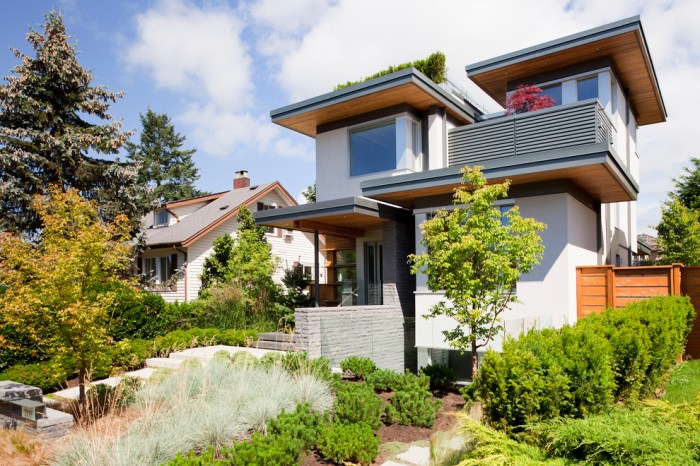
Contemporary home exteriors often showcase a blend of materials that not only enhance aesthetic appeal but also improve functionality and environmental sustainability. Choosing the right materials is crucial for creating a modern look while ensuring durability and energy efficiency. Below, we explore some of the most popular materials used in contemporary designs, how they impact overall aesthetics and functionality, as well as their environmental implications.
Commonly Used Materials
When designing contemporary home exteriors, various materials are frequently utilized for their unique properties and visual appeal. Below is a list of popular materials, along with their characteristics and how they contribute to the overall design:
- Wood: Known for its warmth and natural beauty, wood is often used in contemporary homes for siding, decks, and accents. It can be treated for durability against weather conditions and pests, making it both aesthetic and functional. The use of wood can create a cozy, inviting atmosphere.
- Metal: Steel and aluminum are commonly used for roofing and siding due to their strength and contemporary look. Metal can be finished in various colors and textures, contributing to a sleek appearance. It also offers excellent longevity and low maintenance.
- Stone: Natural stone adds a timeless quality and can be used for both structural elements and decorative features. Its durability and variety of colors and textures provide endless design possibilities. Stone is also effective in regulating temperature in homes.
- Concrete: This versatile material is often used for foundations, walls, and even decorative finishes. Concrete can be molded into various shapes and colors, allowing for innovative designs. Its energy efficiency and durability make it an excellent choice for modern architecture.
- Fiber Cement: A blend of cement and cellulose fibers, fiber cement siding is resistant to rot and pests, making it a practical choice. It mimics the look of wood or stucco, allowing homeowners to achieve a contemporary aesthetic without sacrificing durability.
The choice of materials significantly influences the overall aesthetic and functionality of a contemporary home. For instance, a combination of wood and metal can create a striking contrast, while the use of stone can add a sense of permanence and stability. The selection also affects the home’s energy performance; materials like insulated concrete and fiber cement can enhance energy efficiency and reduce heating and cooling costs.
Environmental Impact of Materials
The environmental implications of material choices in contemporary home exteriors are increasingly significant in today’s eco-conscious market. Many homeowners are opting for sustainable materials that minimize ecological footprints.
- Recycled Materials: Using recycled metal or reclaimed wood reduces waste and conserves natural resources. These materials often come with a unique character, adding to the home’s aesthetic.
- Low-VOC Paints and Finishes: Choosing paints with low volatile organic compounds (VOCs) helps improve indoor air quality and reduces environmental harm.
- Energy-Efficient Options: Insulated siding and roofing materials can lower energy consumption in homes, contributing to a reduction in greenhouse gas emissions.
- Locally Sourced Materials: Utilizing materials sourced from local suppliers can significantly reduce transportation emissions, supporting local economies while minimizing the environmental impact.
In conclusion, the selection of materials for contemporary home exteriors plays a vital role in defining the aesthetic, functionality, and sustainability of a home. The growing focus on environmentally friendly options is shaping the future of home design, making it essential for homeowners to consider these factors when planning their projects.
Color Schemes and Palettes for Contemporary Homes
Color plays a critical role in defining the aesthetic appeal of contemporary home exteriors. Homeowners looking to enhance their property often turn to carefully curated color palettes that reflect modern design principles while showcasing individual style. A well-selected color scheme can not only elevate the visual impact of a home but also harmonize its architectural features with the surrounding environment.One of the primary aspects of choosing color for a contemporary home is understanding how colors can enhance architectural features.
Neutral tones, such as shades of gray, beige, and white, serve as a backdrop that allows architectural details—like clean lines, innovative shapes, and unique materials—to stand out. Meanwhile, vibrant hues can be used selectively to draw attention to specific elements, such as doors or window frames. The right colors can also influence perceptions of size and space, making areas appear larger or cozier based on the chosen palette.
Popular Color Palettes Defining Contemporary Exteriors
Selecting a cohesive color scheme is essential for maintaining a modern aesthetic. Below are popular color palettes that epitomize contemporary home exteriors:
- Monochromatic Schemes: Utilizing varying shades of a single color can create a sophisticated and harmonious look. For example, a range of blues from deep navy to soft sky blue can bring a calming effect.
- Earthy Tones: Colors inspired by nature, like terracotta, sandy beige, and olive green, blend seamlessly with outdoor environments and promote sustainability.
- Bold Accents: Pairing neutral bases with vibrant accents—in colors like burnt orange or teal—can create striking contrasts that draw the eye.
- Cool Grays and Whites: A combination of cool grays and crisp whites offers a fresh, clean look that embodies contemporary minimalism, often enhanced with metal or glass details.
- Soft Pastels: Light pastel shades, such as mint green or blush pink, lend a touch of delicacy and uniqueness while maintaining a modern feel.
Consideration of the architectural style and the overall theme of the home is vital when crafting a cohesive color scheme. Here are effective methods for selecting a harmonious palette:
- Assess the Surroundings: Take cues from the natural landscape or neighboring homes to ensure your colors complement rather than clash with the environment.
- Use Color Theory: Understanding color combinations, such as complementary or analogous colors, can guide your choices toward visually appealing results.
- Incorporate Materials: The texture and color of materials used in siding, roofing, and landscaping should inform your paint choices, ensuring consistency in aesthetic appeal.
- Sample Testing: Always test paint colors on your home’s exterior in different lighting conditions before making a final decision. This ensures that you achieve the desired effect and avoid surprises.
“The right color can enhance not only the beauty of a home but also its architectural integrity.”
Landscaping Ideas to Complement Contemporary Exteriors
Contemporary home designs are characterized by their clean lines, minimalist aesthetics, and integration with nature. To enhance these features, landscaping plays a crucial role in creating an inviting outdoor space that mirrors the sophisticated appeal of the home itself. Thoughtful landscaping can not only enrich the visual impact but also improve the functionality of outdoor areas.Selecting the right plants and features is essential in achieving a balanced and harmonious look.
Contemporary landscaping trends favor simplicity and restraint, often incorporating native plants, geometric layouts, and sustainable practices. By choosing plants that complement the architectural style, homeowners can create a seamless transition from indoor to outdoor living.
Landscaping Trends That Pair Well with Contemporary Home Designs
Incorporating landscaping elements that align with contemporary design can greatly enhance the overall aesthetic of a home. Here are some popular trends and features that exemplify this approach:
- Native Plants: Utilizing plants that are indigenous to the area can promote biodiversity, reduce maintenance, and create a natural feel.
- Geometric Shapes: Incorporating geometric garden beds, pathways, and retaining walls can echo the clean lines of contemporary architecture.
- Water Features: Modern water elements, such as sleek fountains or reflecting pools, add tranquility and elegance while serving as focal points.
- Hardscaping: The use of materials like concrete, stone, and wood in pathways, patios, and decks contributes to the modern aesthetic and offers durability.
- Vertical Gardens: These living walls not only save space but also add a unique visual appeal, blending greenery with architecture.
Landscaping styles can vary widely, and understanding their attributes can help in making informed choices. Below is a summary of suitable landscaping styles for contemporary homes:
| Landscaping Style | Attributes |
|---|---|
| Minimalist | Focus on simplicity, clean lines, and a limited plant palette to create a calm environment. |
| Sustainable | Emphasis on native plants, eco-friendly materials, and water conservation techniques. |
| Zen | Incorporates elements like sand, stone, and water to create a peaceful, meditative space. |
| Modern Tropical | Features lush greenery with a mix of bold colors and textures, often utilizing palms and ferns. |
| Desert | Utilizes drought-resistant plants like succulents and cacti, paired with gravel and stone for a contemporary look. |
Choosing the right landscaping elements can significantly enhance the beauty and functionality of contemporary exteriors, creating outdoor spaces that are as stylish as the homes they surround.
Innovative Architectural Elements
Source: hzcdn.com
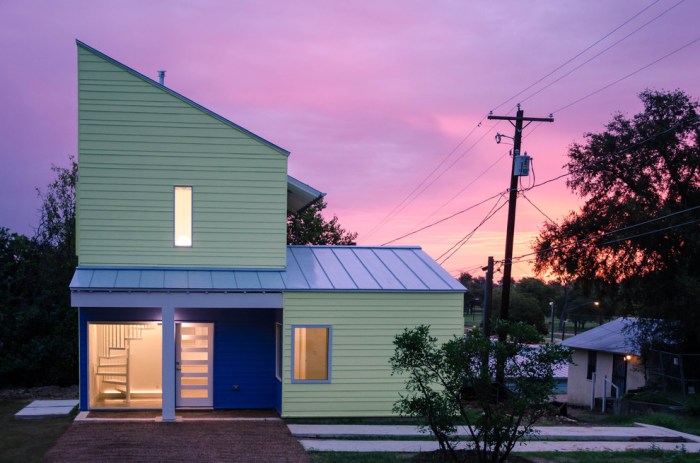
Contemporary homes are often characterized by their unique architectural features that push the boundaries of traditional design. These innovative elements not only enhance the visual appeal of a house but also contribute significantly to its functionality. In this section, we will explore some remarkable architectural features that define contemporary homes and how they impact both aesthetics and livability.One of the defining aspects of contemporary architecture is the incorporation of innovative elements that challenge conventional forms.
These features are designed not only for beauty but also for practicality, often reflecting a seamless blend of indoor and outdoor spaces. Below are some of the prominent architectural elements that are hallmark traits of contemporary home designs:
Cantilevers
Cantilevers are architectural structures that extend horizontally into space without external bracing, creating a striking visual effect. They allow for the creation of overhanging decks or roofs that provide shade or outdoor living areas. This feature enhances the home’s aesthetic appeal while maximizing usable space, making it an ideal choice for urban settings where land is limited.
Large Windows
Large windows are a staple in contemporary architecture, providing unobstructed views and allowing natural light to flood the interiors. These windows often blur the lines between indoor and outdoor spaces, giving a sense of openness and connection to nature. Additionally, advancements in glass technology enable better insulation, reducing energy consumption while maximizing daylight.
Asymmetrical Shapes
Asymmetrical shapes break away from traditional symmetry, contributing to a dynamic and visually engaging facade. This design approach can enhance the uniqueness of a home while allowing for creative interior layouts. The irregular shapes create visual interest and can reflect the homeowner’s personality and lifestyle.
Green Roofs
Green roofs, or living roofs, are another innovative feature gaining popularity in contemporary home design. They consist of vegetation planted on rooftops, offering environmental benefits such as improved insulation and stormwater management. This sustainable choice can significantly reduce energy costs and enhance urban biodiversity, making it a functional and eco-friendly architectural element.
Open Floor Plans, Contemporary home exterior ideas
Open floor plans are characteristic of contemporary homes, promoting fluidity and flexibility in living spaces. This design encourages interaction and movement within the home, making it ideal for modern lifestyles. With fewer walls separating different areas, natural light can flow freely, enhancing the overall ambiance.
Bold Rooflines
Bold rooflines, including sharp angles or varying heights, add a distinctive edge to contemporary homes. This element can create visual drama while providing architectural interest, allowing homeowners to express creativity. Moreover, these unique roof designs can facilitate effective water drainage and expand the aesthetic appeal of the structure.Incorporating these innovative architectural elements not only modernizes the appearance of a home but also significantly enhances its functionality.
By blending aesthetics with practicality, contemporary homes can create comfortable and inspiring living environments that stand the test of time.
Outdoor Living Spaces in Contemporary Homes: Contemporary Home Exterior Ideas
Outdoor living spaces play a pivotal role in contemporary home designs, blending indoor comfort with the beauty of the outdoors. These areas not only enhance the aesthetic appeal of a home but also extend the living space, providing an area for relaxation, entertainment, and connection with nature. As more homeowners seek to maximize the functionality of their properties, well-designed outdoor spaces have become essential elements in modern architecture.Integrating outdoor living spaces into contemporary homes requires thoughtful planning and design.
When done correctly, these areas can create a harmonious flow between the interior of the home and the exterior environment. Key features such as patios, decks, and balconies enable homeowners to enjoy their surroundings while adding value to their property. Here are some significant outdoor features to consider:
Patios and Decks
Patios and decks serve as fantastic platforms for outdoor living, providing areas for social gatherings, barbecues, or peaceful evening relaxation. Their design can vary widely to suit the homeowner’s style and preferences.
- Materials: Patios can be built using stone, pavers, concrete, or wood, each offering unique aesthetics and durability. For instance, natural stone lends a rustic charm, while sleek concrete provides a modern, minimalist look.
- Size and Layout: The size of the patio or deck should reflect the homeowner’s needs. Larger spaces can accommodate dining sets and lounge furniture, while smaller areas may be perfect for a cozy sitting arrangement.
- Shade and Comfort: Incorporating features like pergolas, awnings, or umbrellas can enhance comfort by providing shade, making these spaces usable even during hot summer days.
Balconies and Terraces
Balconies and terraces extend the living space vertically, offering stunning views and fresh air. They can serve as intimate retreats or functional spaces for entertaining guests.
- Railing Designs: Clear glass railings can enhance safety while maintaining unobstructed views. Alternatively, decorative metal or wooden railings can add character and style.
- Planting Solutions: Vertical gardens or potted plants can transform a balcony or terrace into a green oasis, providing a refreshing touch of nature.
- Furniture Selection: Choosing lightweight, weather-resistant furniture allows for flexibility in rearranging the space for various occasions.
Seamless Integration with Home Exterior
To create a cohesive look between outdoor living spaces and the home’s exterior, several strategies can be employed.
- Consistent Materials: Using the same materials for the outdoor features and the home’s exterior helps to unify the overall design. For example, if the home features wooden siding, a wooden deck can enhance continuity.
- Color Harmony: Selecting colors that complement the home’s exterior paint or finish creates a visually appealing contrast that can elevate the overall ambiance.
- Architectural Flow: Designing outdoor spaces to mirror architectural lines and angles of the home encourages a seamless transition from inside to outside, making the spaces feel connected.
“Outdoor living spaces are not just an extension of the home, but an invitation to engage with nature, offering a harmonious blend of comfort and style.”
Lighting Solutions for Contemporary Exteriors
Lighting plays a pivotal role in enhancing the aesthetic appeal and functionality of contemporary home exteriors. Thoughtfully designed lighting solutions can transform the look of a home at night, highlight architectural features, and improve safety and security. By incorporating innovative lighting techniques, homeowners can create inviting outdoor spaces that reflect their personal style while also providing practical benefits.Effective exterior illumination goes beyond mere visibility; it sets the mood, enhances the landscape, and accentuates the unique design of a contemporary home.
Layering different types of lighting can create depth and dimension, allowing for a harmonious balance between shadow and light. Here are some essential techniques and ideas for achieving effective exterior illumination:
Types of Outdoor Lighting Fixtures and Their Uses
Different outdoor lighting fixtures serve various purposes and can be strategically placed to achieve the desired effect. Understanding the types of fixtures available can help homeowners select the right options for their needs. Below is a comprehensive comparison of various outdoor lighting fixtures along with their typical applications:
| Lighting Fixture Type | Description | Common Uses |
|---|---|---|
| Path Lights | Low-level lights designed to illuminate walkways, driveways, and garden paths. | Guiding pathways, enhancing safety, and creating an inviting entrance. |
| Wall Sconces | Mounted fixtures that add decorative value while providing ambient light. | Illuminating entryways, patios, and outdoor dining areas. |
| Flood Lights | High-intensity lights that cast a wide beam, ideal for highlighting large areas. | Providing security lighting and emphasizing architectural features. |
| String Lights | Decorative lights strung across spaces, adding charm and ambiance. | Creating festive atmospheres for gatherings on patios and decks. |
| Spotlights | Focused lights used to highlight specific features such as trees or sculptures. | Emphasizing focal points in landscaping and architectural details. |
Incorporating these diverse lighting options allows homeowners to create a layered lighting effect that enhances the beauty and safety of contemporary exteriors. Each type of fixture plays a significant role in illuminating the outdoor space, contributing to a cohesive and aesthetically pleasing night-time environment.
“Lighting is not just about illumination; it’s about creating an experience that enhances the beauty of a home.”
Sustainable Practices in Contemporary Home Design
Contemporary home design has increasingly embraced sustainable practices, marrying aesthetics with eco-consciousness. As homeowners become more aware of their environmental impact, the demand for sustainable building practices continues to rise. This trend not only benefits the planet but also enhances the value and functionality of a home.Sustainable building practices involve a range of techniques and materials that reduce environmental impact and promote energy efficiency.
These practices are essential in creating homes that are not only beautiful but also responsible. Utilizing energy-efficient designs and materials is key to achieving these goals.
Energy-Efficient Designs and Materials
Energy efficiency is a cornerstone of sustainable contemporary home design. It encompasses strategically chosen materials and architectural features that minimize energy consumption. The integration of these elements not only contributes to a lower carbon footprint but also helps homeowners save on utility bills.Key energy-efficient materials and designs include:
- High-Performance Insulation: Using materials like spray foam or cellulose insulation can greatly reduce heat loss and increase comfort.
- Energy-Efficient Windows: Double or triple-glazed windows with low-E coatings minimize heat transfer, keeping homes warmer in winter and cooler in summer.
- Solar Panels: Incorporating photovoltaic panels into the roof design enables homes to harness solar energy, significantly reducing reliance on fossil fuels.
- Green Roofs: Installing a green roof can improve insulation, manage stormwater, and enhance biodiversity, while also providing a unique aesthetic appeal.
- Recycled and Sustainable Materials: Utilizing reclaimed wood, bamboo, or other sustainable materials contributes to reducing waste and helps preserve natural resources.
“Choosing energy-efficient materials not only benefits the environment but also enhances the long-term value of your home.”
Aesthetically, sustainability can seamlessly blend with modern design principles. For example, using locally sourced stone or reclaimed wood not only reduces transportation emissions but also provides a unique character to the home. Features like large overhangs can enhance visual appeal while providing natural shading, reducing cooling costs in warmer months.Incorporating these sustainable practices into contemporary home design reflects a commitment to environmental stewardship, paving the way for a greener future while maintaining the beauty and functionality desired in modern living spaces.
Trends in Contemporary Home Exteriors
The design of contemporary home exteriors is continuously evolving, influenced by various factors ranging from technological advancements to changing societal preferences. As we delve into the latest trends, we find a blend of innovation, sustainability, and aesthetic appeal that defines modern living spaces today. These trends not only enhance the beauty of homes but also reflect the values and priorities of homeowners in the current era.Current trends impacting contemporary home exteriors are characterized by a focus on minimalism, eco-friendliness, and integration with nature.
Homeowners are increasingly seeking ways to create a seamless transition between indoor and outdoor spaces. This involves using large windows, open floor plans, and the incorporation of natural materials. Additionally, technological advancements have introduced new materials and construction techniques that enhance the durability and functionality of home exteriors while maintaining a contemporary aesthetic.
Emerging Styles and Innovative Techniques
Several emerging styles and innovative techniques are shaping the landscape of contemporary home exteriors.
Biophilic Design
This trend emphasizes a connection to nature, incorporating elements like green walls, living roofs, and extensive landscaping that blends seamlessly with the built environment. The use of natural materials like wood and stone enhances this aesthetic.
Prefabrication and Modular Construction
The rise of prefabricated modules allows for quicker construction times and reduced waste. These structures can be customized, offering homeowners unique designs without sacrificing quality.
Sustainable Materials
Increasingly, homeowners are opting for sustainable materials, such as reclaimed wood, recycled metal, and eco-friendly concrete. These materials not only reduce environmental impact but also contribute to the overall aesthetic of the home.
Smart Home Technology
The integration of smart technology into home exteriors is becoming commonplace. This includes automated lighting systems, smart irrigation for gardens, and energy-efficient windows that adapt to changing weather conditions.
Historical Influences on Modern Designs
The influence of historical architectural styles continues to permeate contemporary designs, creating a rich tapestry of inspiration where the past meets the present. Elements from mid-century modern, minimalist, and even traditional styles are being reinterpreted with a contemporary twist.
Mid-Century Modern Revival
This style’s characteristic clean lines, flat planes, and integration with nature are making a resurgence. Features like open spaces and large glass windows remain popular, as they enhance natural light and outdoor connectivity.
Industrial Aesthetics
Inspired by urban settings, the use of materials like exposed brick, steel beams, and concrete gives a raw yet polished look to contemporary homes. This style balances modernity with a sense of history.
Scandinavian Influence
Known for simplicity and functionality, Scandinavian design emphasizes minimalism and a neutral color palette. These features create a calming environment while remaining stylish.In summary, the trends in contemporary home exteriors reflect a greater emphasis on sustainability, technology, and historical influences. As homeowners continue to seek out designs that are not only visually appealing but also environmentally responsible, the landscape of home design will keep evolving, ensuring that modern living spaces remain relevant and functional.
Closing Notes
In conclusion, contemporary home exterior ideas showcase a perfect balance of aesthetic appeal and practical design. By understanding the materials, colors, and innovative features that define these homes, you can create an outdoor space that resonates with your personal style while being environmentally conscious. As you embark on your design journey, remember that the best contemporary homes tell a story—yours.
Essential FAQs
What are the key characteristics of contemporary home exteriors?
Contemporary home exteriors typically feature clean lines, open spaces, large windows, and a mix of materials, creating a harmonious and functional look.
How do I choose a color palette for my contemporary home?
Consider neutral tones combined with bold accents to enhance architectural features while ensuring overall cohesion and balance in the design.
What landscaping elements complement contemporary homes?
Native plants, minimalist designs, and structured elements like stone pathways or geometric planters enhance the sleek look of contemporary exteriors.
Are there eco-friendly materials for contemporary exteriors?
Yes, materials such as reclaimed wood, bamboo, and recycled metal are sustainable options that fit well with contemporary aesthetics while reducing environmental impact.
How can I incorporate outdoor living spaces into my design?
Integrate features like patios, decks, or balconies using seamless transitions from the interior, creating an inviting space for relaxation and entertainment.