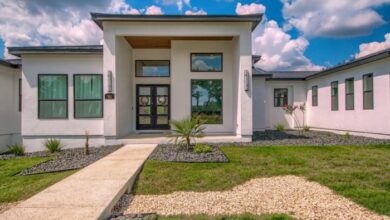
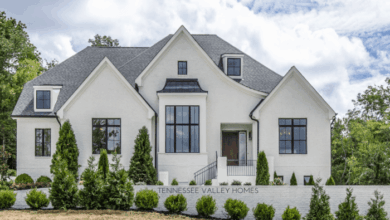
Popular Color Trends for House Exteriors
Best exterior paint colors for houses – In recent years, the exterior paint colors chosen for houses have reflected evolving aesthetic preferences and societal trends. Homeowners and designers alike are gravitating towards hues that not only enhance the beauty of properties but also resonate with themes of nature and modernity. This trend towards thoughtful color selection is shaping the way neighborhoods look and feel, creating a harmonious visual landscape.The influence of contemporary home design on color choices is profound.
As architectural styles blend and evolve, so too do the palettes used to complement them. Earthy tones, bold statements, and classic shades are making their mark, demonstrating how colors can express personality while also fitting within a community’s character.
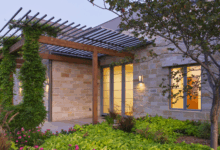



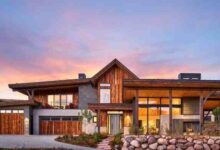

Current Popular Exterior Paint Colors
A variety of colors dominate the current exterior landscape, with each choice telling a unique story about the home it adorns. Here are some popular options:
- Soft Neutrals: Shades like greige (a blend of gray and beige) and taupe are highly favored, providing a versatile backdrop that complements various architectural styles. These colors help homes blend seamlessly into their surroundings while maintaining a sense of elegance.
- Blues: From calming sky blue to deep navy, blue tones are increasingly popular, often selected for coastal and suburban homes. They evoke a serene and inviting atmosphere, ideal for creating a welcoming façade.
- Rich Greens: Colors like forest green and sage reflect a growing trend toward natural hues. These shades not only enhance curb appeal but also connect the home with its outdoor environment, promoting a sense of tranquility.
- Bold Accents: Homeowners are now more daring, using vibrant colors like coral, mustard yellow, or deep red as accent colors on doors, shutters, and trim. This approach adds personality and a modern twist to traditional color schemes.
- Classic Whites: Timeless white shades remain a staple, offering a clean, crisp look that can be accentuated with colorful details. White exteriors provide a blank canvas that allows for creativity in landscaping and decor.
The aesthetic appeal of these colors can be seen in numerous real-life examples. For instance, a charming beach house painted in soft seafoam green stands out against the backdrop of sandy beaches, perfectly harmonizing with its coastal environment. Similarly, a stately suburban home featuring a rich navy exterior paired with white trim creates a chic yet inviting presence that makes a lasting impression on visitors.Color trends are not just a reflection of personal taste but a response to broader influences in architecture and design, where every shade has the potential to tell a story and enhance the living experience.
Color Psychology in Exterior Paint
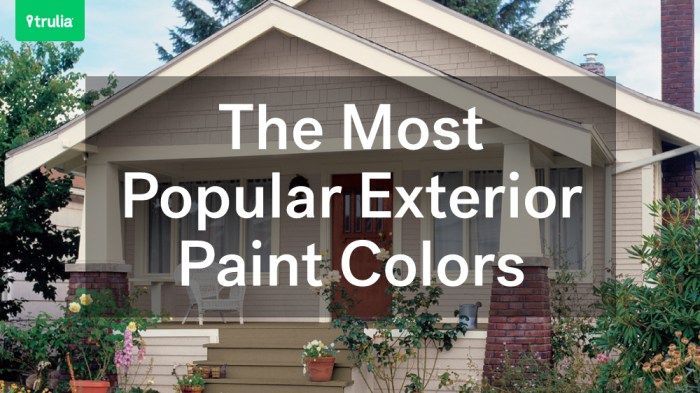
Source: huffingtonpost.com
Color psychology plays a pivotal role in how we perceive our surroundings, particularly when it comes to the exterior paint of our homes. The colors we choose can significantly influence not only the aesthetic of our property but also the emotions and feelings evoked in onlookers. Understanding this can help homeowners make informed decisions that align with the desired atmosphere they wish to create.Different colors carry distinct psychological associations that can affect the perception of a home.
For instance, while warm colors like red and orange can create a sense of excitement and warmth, cooler shades like blue and green evoke feelings of tranquility and calmness. The exterior of a home is its first impression, and selecting the right palette can set the tone for how it is received by visitors and passersby.
Emotional Reactions to Color Choices
When considering how color impacts perception, it’s essential to recognize that specific hues can elicit certain emotional reactions. Here are some common colors and the feelings they typically invoke:
- Red: Often associated with energy and passion, red can create a bold statement. It stands out and can signify warmth, making it a good choice for homes looking to convey a sense of hospitality.
- Blue: This color promotes calmness and serenity. Light blues in particular can create a refreshing atmosphere, while darker blues can add elegance and sophistication.
- Green: Representing nature and renewal, green can foster a sense of peace and balance. Lighter greens may convey freshness, while deeper shades can suggest stability and growth.
- Yellow: A cheerful and uplifting color, yellow can bring warmth and happiness to a home. However, too much yellow can be overwhelming, so it’s often best used as an accent.
- Gray: This versatile color can evoke a sense of modernity and sophistication. Depending on the shade, gray can feel warm or cool, making it adaptable for various architectural styles.
Understanding these emotional responses is crucial when selecting an exterior paint color. For example, a homeowner who wants to attract families might choose warm, inviting tones, whereas someone in a serene neighborhood may prefer cooler, calming hues.
Color Palettes and Their Atmospheres
Creating a cohesive and inviting exterior often involves selecting a palette that not only reflects personal preferences but also harmonizes with the surrounding environment. Here are some popular color combinations and the atmospheres they evoke:
- Earthy Tones: A combination of browns, greens, and muted yellows can create a grounded, natural feel, making homes blend seamlessly with their surroundings.
- Coastal Palette: Soft blues, sandy beiges, and crisp whites reflect a beachy vibe, promoting relaxation and tranquility associated with coastal living.
- Monochromatic Shades: Utilizing varying shades of a single color, such as different tones of gray, can create a sleek and modern appearance, exuding sophistication and elegance.
- Bold Contrasts: Pairing a bright accent color with a neutral base can create a striking visual effect. For instance, a deep charcoal paired with a vibrant orange door can add a contemporary flair.
By thoughtfully selecting color palettes, homeowners can craft specific atmospheres that resonate with their lifestyle and personal taste, while also making a lasting impression on those who encounter their homes.
“The colors you choose for your home’s exterior not only reflect your personality but also influence how others perceive your space.”
Understanding the psychology behind color can empower homeowners to create a welcoming and emotionally resonant environment that enhances the overall appeal of their property.
Regional Color Preferences: Best Exterior Paint Colors For Houses
The choice of exterior paint colors for houses is significantly influenced by geographical location. Different regions exhibit unique preferences that align with their natural surroundings, cultural traditions, and architectural styles. Understanding these regional color tendencies can help homeowners select hues that blend harmoniously with their environment and enhance their property’s curb appeal.Geography affects not only the aesthetic but also the practicality of paint choices.
For instance, climates with intense sun may require lighter colors to reflect heat, while coastal areas may favor colors that mirror the ocean’s blues and greens. Additionally, certain architectural styles often resonate with specific regional palettes, creating a cohesive look within communities.
Color Schemes by Region and Style
Different regions across the country have distinct color preferences that align with their architectural styles and environmental characteristics. Here’s a breakdown of popular color schemes by region, including examples of architectural styles that complement them:
| Region | Popular Colors | Complementary Architectural Styles |
|---|---|---|
| New England | Muted blues, grays, and whites | Colonial, Cape Cod |
| Southwest | Earth tones, terracotta, and adobe hues | Pueblo, Spanish Revival |
| Pacific Northwest | Forest greens, deep blues, and rustic browns | Craftsman, Modern |
| Midwest | Soft pastels, warm neutrals | Victorian, Prairie |
| South | Bright whites, pastel colors, and vibrant accents | Antebellum, Plantation |
In these regions, color schemes not only reflect aesthetic preferences but also serve functional purposes. For example, the earthy tones favored in the Southwest blend seamlessly with the desert landscape, providing a natural camouflage against the surroundings. Similarly, the muted colors of New England homes evoke a sense of tradition and history, connecting the structures to their colonial past.
“Choosing colors that resonate with the local environment enhances not only the beauty of the home but also its harmony with the community.”
Choosing Colors for Specific Architectural Styles
When it comes to selecting exterior paint colors, understanding architectural styles is crucial. Each style conveys its unique character and history, often reflecting a specific era or cultural influence. Choosing colors that complement these features enhances the home’s aesthetic and value, making it important to align color choices with the architectural design.Architectural styles vary widely, and so do the colors that suit them.
For instance, a Colonial home may require a more traditional palette, while a Modern structure might benefit from bold, contemporary colors. Here’s a breakdown of popular architectural styles and suitable color recommendations for each.
Colonial Architecture
Colonial homes are characterized by their symmetry and classic details. Traditional colors that align with this style evoke a sense of history and stability. The following colors are recommended for Colonial-style homes:
- White: A timeless choice, white exudes simplicity and elegance, highlighting the home’s architectural details.
- Soft Blue: This color offers a touch of charm and tranquility, complementing the traditional features without overwhelming them.
- Deep Green: A rich, forest green provides a classic look, harmonizing with nature and emphasizing the home’s enduring qualities.
- Brick Red: This bold color reflects historical accuracy, as many Colonial homes were originally painted in earthy tones.
Modern Architecture
Modern homes often feature clean lines and minimalistic designs, which allows for more vibrant and diverse color selections. Here are some colors that work well with modern architecture:
- Charcoal Gray: This sophisticated shade adds depth and contrast, perfect for sleek, contemporary designs.
- Bright White: A crisp, bright white enhances the minimalist aesthetic, offering a fresh and open feel.
- Bold Blue: A striking cobalt or royal blue can serve as a statement color, bringing a modern twist to traditional styling.
- Earthy Tones: Colors like terracotta or sandy beige ground the home in nature, providing warmth and balance.
Mediterranean Architecture
Mediterranean-style homes draw inspiration from coastal regions, featuring stucco exteriors and tiled roofs. Suitable colors for this style are often inspired by the landscapes of southern Europe:
- Warm Cream: A soft, warm cream complements the stucco finish, reflecting the sun beautifully.
- Terracotta: This earthy color resonates with the tiles commonly found in this style, adding warmth and authenticity.
- Ocean Blue: A vibrant ocean blue captures the essence of coastal living, evoking feelings of tranquility and relaxation.
- Olive Green: This muted green is reminiscent of Mediterranean landscapes and blends seamlessly with the surrounding nature.
To create a visual guide, imagine a series of illustrations showcasing each architectural style. The Colonial home might display a classic white façade with deep green shutters, while the Modern house could feature a bold blue front door against a charcoal gray exterior. Lastly, the Mediterranean home would shine with warm cream walls and terracotta accents, surrounded by lush greenery.
Each visual pairing not only highlights the architectural style but also reinforces the recommended color choices, providing a clear and attractive representation of how these colors enhance each home’s unique character.
Environmental Considerations
When selecting exterior paint colors for houses, it’s essential to consider various environmental factors. The climate and surrounding landscape play a significant role in not just aesthetics but also the functionality and durability of the paint. A well-chosen color can harmonize with nature and enhance the home’s energy efficiency, making it an important aspect of sustainable living.Weather and light conditions significantly affect how paint colors are perceived.
For instance, bright sunlight can wash out certain hues, making them appear lighter than intended. Conversely, in shaded areas or during overcast days, colors can look deeper and more saturated. Understanding these dynamics can help homeowners choose colors that remain true to their vision across different lighting scenarios.
Climate and Surroundings
Selecting paint colors that complement the local environment is crucial for both aesthetic appeal and environmental harmony. Here are some factors to consider:
- Warm Climates: In regions with high temperatures, lighter colors reflect sunlight, helping to keep homes cooler. Shades like pale yellow, soft blue, or light gray can be effective choices.
- Cold Climates: Darker colors absorb heat, which can be beneficial in cooler areas. Rich colors like deep red, navy blue, or forest green can add warmth and make a home feel more inviting.
- Natural Surroundings: Choose colors that blend with the landscape. If surrounded by greenery, earthy tones like olive green or terracotta might enhance visual cohesion. Coastal homes may benefit from blues and sandy tones that mimic the sea and shore.
Impact of Light and Weather Conditions
The appearance of paint colors can shift dramatically depending on natural light and weather. Homeowners should take into account the following aspects:
- Sunlight Exposure: Direct sunlight can lighten colors and alter their intended appearance. It’s advisable to test paint samples on the wall at different times of the day to see how they look in various lighting conditions.
- Shaded Areas: Colors can appear richer and more saturated in shady environments. Consider the amount of natural light that different sides of the house receive when making color choices.
- Weather Effects: Rain, snow, and humidity can also impact color appearance. For example, a rainy day may make colors look darker, while bright sun can enhance hues. Keep this in mind when selecting colors that must withstand changing weather.
Enhancing Energy Efficiency
Choosing colors can also contribute to the energy efficiency of a home, an important consideration in sustainable design. Here are some tips:
- Reflective Paints: Opt for paints with high solar reflectance, which reflect sunlight away from the house, reducing cooling costs in warm climates.
- Strategic Color Placement: Use lighter colors on roofs and upper walls where sunlight hits directly, while darker shades can be reserved for shaded areas.
- Insulation Considerations: Pairing colors with suitable insulation can further enhance energy efficiency. For instance, combining light exterior colors with reflective insulation materials can reduce heat absorption.
“Choosing the right paint color not only enhances the beauty of your home but can also contribute significantly to its energy efficiency.”
Complementary and Contrasting Colors
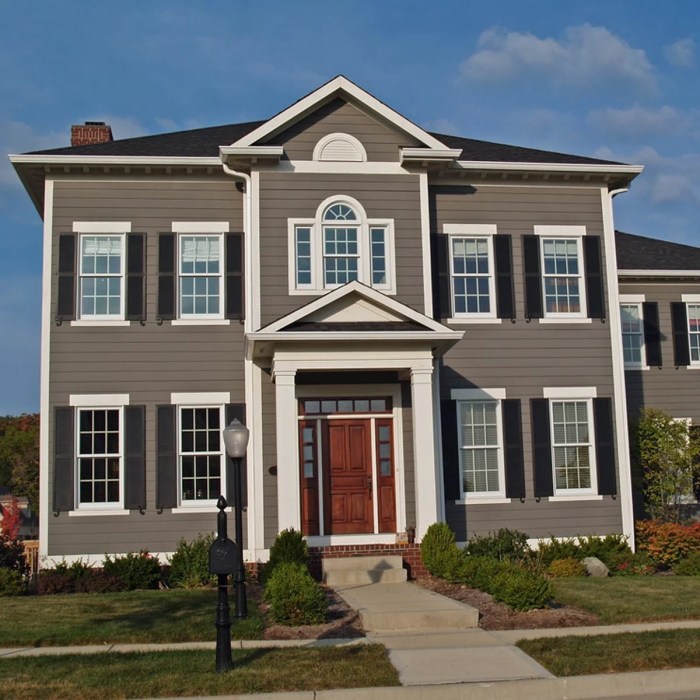
Source: familyhandyman.com
When it comes to exterior paint colors, achieving a sense of harmony and balance is essential. The right color combinations can enhance the architectural features of a house, create visual interest, and elevate curb appeal. Understanding the principles of complementary and contrasting colors can help homeowners make informed decisions that reflect their style while also ensuring a pleasing aesthetic.Color harmony is achieved when colors work well together, creating a cohesive look that is visually appealing.
Complementary colors are those that are opposite each other on the color wheel and, when paired, they intensify each other, resulting in a vibrant and dynamic appearance. For example, a rich navy blue exterior might be beautifully accented with bright white trim, creating a classic and elegant look. Similarly, a warm beige house can be enhanced with deep green shutters, offering a natural, earthy vibe.
Complementary Color Schemes for Trim and Accents
Utilizing complementary colors for trim and accent features is an effective way to achieve a balanced exterior design. Here are some examples of complementary color schemes that work well in exterior settings:
- Soft Gray and Bright Yellow: A soft gray exterior with bright yellow accents provides a fresh and cheerful look that stands out without being overwhelming.
- Rich Blue and Crisp White: Deep blue siding paired with white trim creates a nautical yet sophisticated aesthetic, perfect for coastal homes.
- Warm Beige and Deep Green: A warm beige base complemented by deep green shutters or door can evoke a natural and inviting feel, ideal for homes surrounded by greenery.
- Charcoal and Vibrant Red: A bold charcoal exterior highlighted by vibrant red accents adds a modern and edgy touch, making a striking statement in urban settings.
Contrasting Color Combinations, Best exterior paint colors for houses
Contrasting colors make a bold statement and can dramatically enhance the visual impact of a home’s exterior. Selecting the right contrasting colors can help highlight architectural features and provide a distinctive look. Below is a list of striking contrasting color combinations:
- Black and White: A timeless classic that offers sharp contrast, perfect for modern and traditional homes alike.
- Dark Green and Light Taupe: This combination provides an earthy feel while maintaining a clear visual distinction.
- Slate Blue and Bright Orange: A vibrant combination that adds a lively touch to coastal or beach-style homes.
- Red Brick and Soft Gray: This pairing highlights the traditional appeal of red brick while softening the overall look.
- Chocolate Brown and Cream: Deep brown siding contrasted with creamy white trim creates a warm and inviting atmosphere.
“Choosing the right complementary or contrasting color scheme can not only enhance your home’s appearance but also increase its market value.”
Maintenance and Longevity of Exterior Colors
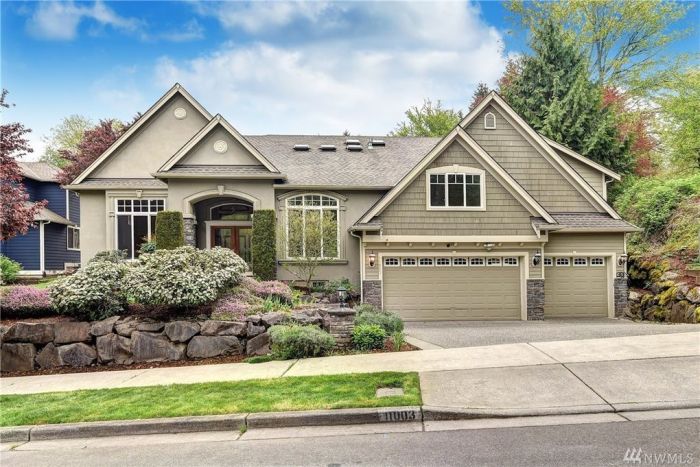
Source: curbio.com
Choosing the right exterior paint color is not just about aesthetics; it also significantly impacts the maintenance and longevity of a home’s facade. The color you select can influence how often you’ll need to repaint, as some hues fade faster than others. Additionally, certain colors may show dirt and wear more readily, necessitating more frequent upkeep.The relationship between color choice and maintenance requirements revolves around factors such as heat absorption, exposure to UV rays, and the paint’s inherent durability.
Lighter colors, for instance, tend to reflect sunlight, which can result in less fading over time compared to darker shades. Conversely, darker colors often absorb heat, which can lead to quicker degradation of the paint.
Durability and Resistance to Fading
When it comes to long-lasting exterior colors, some shades are recognized for their durability and resistance to fading. These colors typically maintain their vibrancy longer and require less frequent maintenance. Consider the following colors known for their longevity:
- Soft white: Reflects sunlight effectively and minimizes heat absorption.
- Light gray: Offers a contemporary look while resisting fading.
- Muted beige: Provides a warm tone that’s less prone to showing dirt.
- Earth tones (like olive green and terracotta): Often fade more slowly due to their natural pigments.
Table comparing maintenance levels required for different paint colors over time:
| Color | Initial Appearance | Fading Resistance | Maintenance Frequency |
|---|---|---|---|
| Soft White | Bright | High | Every 7-10 years |
| Light Gray | Neutral | Moderate | Every 5-8 years |
| Muted Beige | Warm | High | Every 7-10 years |
| Olive Green | Earthy | High | Every 6-9 years |
| Terracotta | Rich | Moderate | Every 5-8 years |
The maintenance level required for each color can vary due to environmental factors and the quality of the paint used. It’s essential to consider both the initial investment in high-quality paint and the long-term benefits of reduced maintenance.
Summary
In conclusion, selecting the best exterior paint colors for houses is a journey that balances personal preference with practical considerations. From the impact of color psychology to regional influences and architectural styles, each aspect adds depth to your final choice. By embracing the insights shared, you can confidently choose colors that not only beautify your home but also reflect your unique personality and enhance its value.
Query Resolution
What are the most popular exterior paint colors right now?
Trending colors include soft neutrals like greys and beiges, along with bolder choices such as deep blues and forest greens.
How can I choose a color that matches my home’s architectural style?
Research color palettes that are historically used for your specific architectural style to ensure harmony.
Do light colors require more maintenance than dark colors?
Generally, lighter colors may show dirt and fading more quickly than darker tones, which can be more forgiving.
Can paint colors affect my home’s temperature?
Yes, lighter colors reflect heat, keeping homes cooler, while darker colors absorb heat and can increase temperature.
What should I consider about my neighborhood when choosing an exterior color?
It’s wise to consider the overall aesthetic of your neighborhood to ensure your home blends well while also standing out positively.