Curb Appeal Landscaping
Curb appeal landscaping ideas – Curb appeal refers to the attractiveness of a property from the street, encompassing various elements such as landscaping, architecture, and exterior maintenance. It plays a crucial role in how a home is perceived, influencing first impressions and often determining the property’s market value. A well-landscaped yard not only enhances the aesthetic appeal but also invites admiration, making it an essential consideration for homeowners looking to elevate their property’s visual impact.Investing in landscaping can significantly contribute to a property’s value.
According to a study by the National Association of Realtors, landscaping can boost a home’s resale value by as much as 14%, making it a wise investment for homeowners. A well-maintained lawn, vibrant flower beds, and strategically placed trees can create an inviting atmosphere, attracting potential buyers and increasing the overall marketability of the property.





Examples of Properties with High Curb Appeal Due to Landscaping
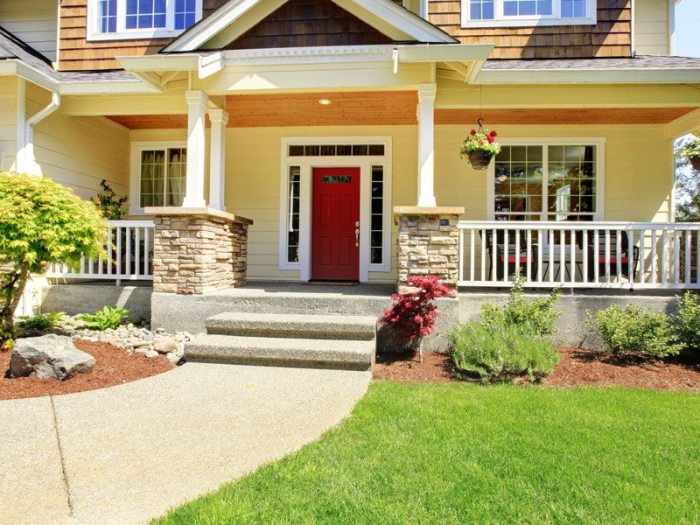
Several properties exemplify the transformative power of landscaping in enhancing curb appeal. One notable example is a charming suburban home featuring a manicured front lawn, diverse plantings, and a welcoming pathway. The vibrant colors of seasonal flowers provide an inviting pop against the greenery, while the carefully pruned shrubs frame the entrance, drawing the eye.Another striking instance is a modern urban residence with minimalist landscaping that emphasizes clean lines and simplicity.
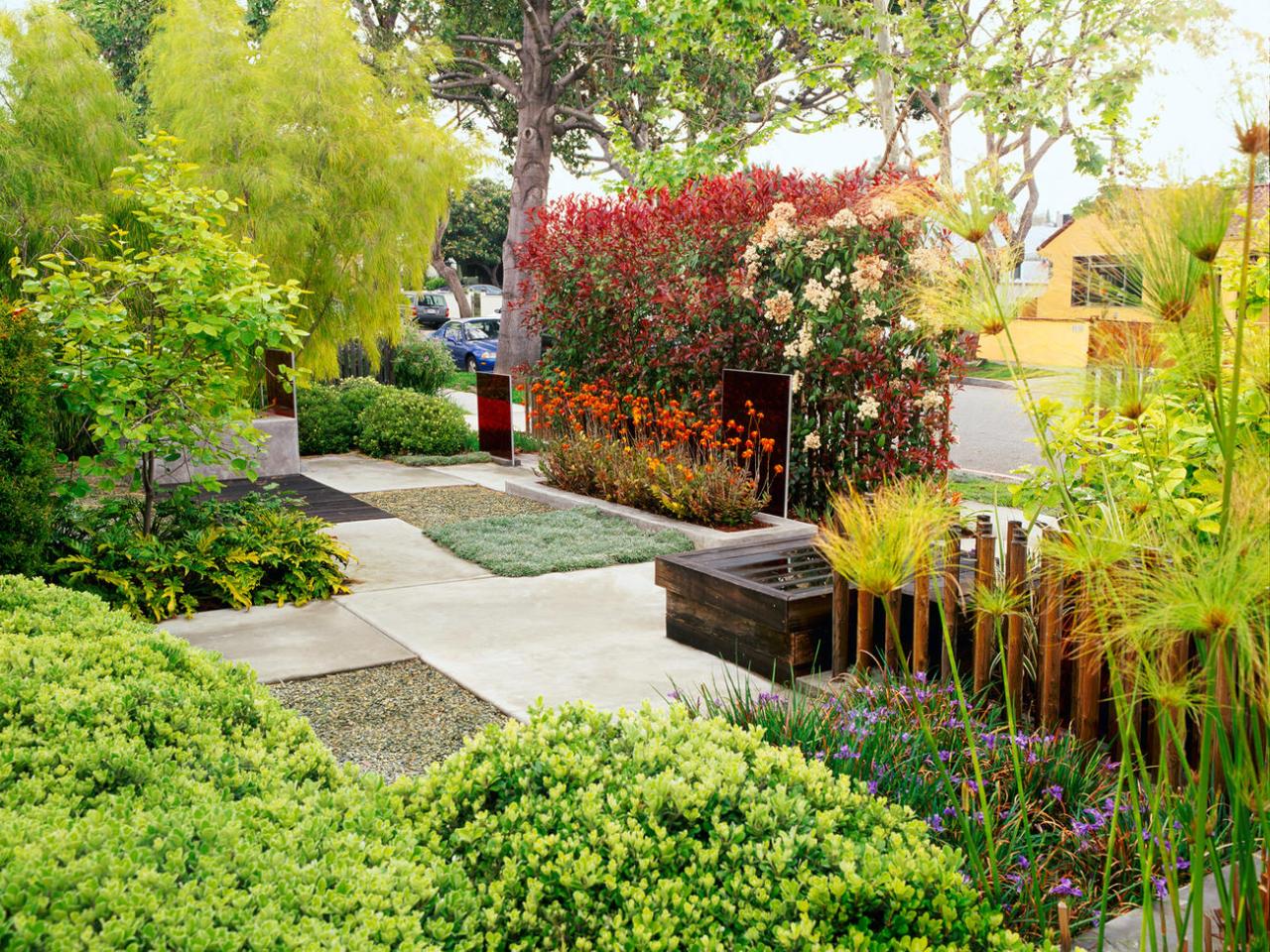
The use of ornamental grasses and sleek concrete pathways creates a sophisticated look, appealing to contemporary tastes while maintaining a warm ambiance. A well-placed tree can offer shade and balance, enhancing both the aesthetics and functionality of the space.Additionally, historic homes often showcase flourishing gardens that reflect their architectural style. These properties tend to incorporate native plants and heirloom varieties that complement the home’s charm, providing a sense of authenticity and character.
Such landscaping choices not only elevate the visual impact but also speak to the property’s history, making it more memorable to passersby.
“A well-designed landscape can make a lasting impression, significantly impacting property value and desirability.”
Incorporating elements like decorative stone pathways, stylish outdoor lighting, and seasonal displays can further enhance curb appeal. Each detail, from the color palette of flowers to the arrangement of shrubs, contributes to the overall impression, making it vital for homeowners to consider the holistic view of their landscaping choices. By investing time and resources into thoughtful landscaping, homeowners can achieve a stunning exterior that reflects their personal style while boosting their property’s value.
Basic Landscaping Ideas for Enhanced Curb Appeal
Enhancing your home’s curb appeal starts with the right landscaping ideas. A well-thought-out landscape not only adds beauty but also increases property value and creates a welcoming atmosphere for guests. By focusing on essential elements and incorporating colorful flora, you can transform your front yard into a stunning showcase.One of the key aspects of landscaping that can significantly boost curb appeal includes the strategic use of plants, flowers, and shrubs.
Proper placement and selection will not only highlight your home’s architectural features but also create a vibrant environment. Here, we explore essential landscaping elements that can elevate your front yard.
Essential Landscaping Elements
To create an inviting and visually appealing landscape, consider integrating the following essential elements:
- Colorful Flowers: Using a variety of flowers in different colors can add vibrancy and life to your landscape. Flowers like petunias, marigolds, and geraniums are popular choices due to their bright hues and long blooming periods.
- Well-Planned Shrubs: Shrubs provide structure and can serve as natural dividers or borders. Varieties such as boxwoods or hydrangeas can enhance the overall look when trimmed and shaped correctly.
- Pathways: Creating pathways with stones or pavers not only guides visitors through your garden but also adds a polished look to your entrance. An inviting pathway makes your home feel more approachable.
- Decorative Elements: Incorporating features like birdbaths, benches, or trellises can add charm and character, making your landscape more inviting.
- Lighting: Proper outdoor lighting can highlight key features of your landscape while providing safety at night. Consider solar-powered lights along pathways or spotlighting unique plants.
Planting Colorful Flowers and Shrubs
When planning to add flowers and shrubs, it’s essential to consider their placement and compatibility with your local climate. Grouping plants based on their sun, water, and soil requirements ensures they thrive and maintain their beauty. Here’s how to effectively plant them:
- Choose a variety of colors and heights to create depth and interest.
- Arrange plants in clusters rather than straight lines for a more natural look.
- Consider seasonal variations by incorporating perennial flowers, which return each year, alongside annuals that provide immediate color.
- Always prepare the soil by removing weeds, adding compost, and ensuring proper drainage before planting.
“A well-balanced landscape features a mix of colors and textures, creating a harmonious design.”
Effective Use of Mulch
Utilizing mulch is a crucial step in enhancing the appearance of your landscape while promoting plant health. Mulch acts as a protective layer for the soil, helps retain moisture, and suppresses weed growth. Here’s how to implement it effectively:
- Apply a 2-3 inch layer of organic mulch, such as bark or wood chips, around your plants and flower beds.
- Ensure the mulch is kept away from plant stems to prevent rot.
- Replenish mulch annually to maintain its effectiveness and aesthetic appeal.
By combining these basic landscaping ideas with thoughtful planning and execution, you can significantly enhance your home’s curb appeal and create an inviting atmosphere that reflects your personal style.
Hardscaping Elements That Complement Landscaping
Integrating hardscaping features into your landscaping plan can significantly enhance your home’s curb appeal. Hardscaping refers to the non-plant elements of landscaping, such as paths, walls, patios, and lighting. These features not only add visual interest but also improve functionality and usability of outdoor spaces. By strategically incorporating hardscaping elements, you can create a cohesive and inviting exterior that complements your landscaping.
Popular Hardscaping Features Like Pathways and Patios
Pathways and patios serve as essential elements that guide visitors through your outdoor space while providing functional areas for relaxation and enjoyment. Well-designed walkways can lead the eye to your front door, making your home more welcoming. Consider using materials like natural stone, brick, or decorative concrete to construct eye-catching pathways.
Pathways can be designed in various styles, such as
Straight paths for a modern look.
Curved paths to create a more organic, flowing feel.
Stepping stones set in grass or gravel for a rustic charm.
Patios, on the other hand, extend your living space outdoors, perfect for entertaining or quiet evenings. A patio can be made from:
- Pavers, which come in a multitude of colors and patterns, allowing for creative designs.
- Flagstone, offering a natural and elegant aesthetic.
- Stamped concrete, which can mimic more expensive materials at a lower cost.
For both pathways and patios, ensure that they are properly graded to avoid water pooling and consider adding borders for a finished look that ties in with surrounding landscaping.
Design Ideas for Creating Attractive Retaining Walls
Retaining walls not only serve a functional purpose in controlling soil erosion and managing slopes, but they can also be a stunning design feature. When building a retaining wall, consider materials that complement your home’s exterior and the surrounding landscape.Incorporating specific design elements can make your retaining wall stand out:
Natural Stone
Using large, irregular stones creates a rustic, natural appearance.
Segmented Block
This option allows for more uniformity and can be easily stacked.
Vegetation
Integrate plantings on top or in front of the wall to soften its appearance, using flowers or trailing plants.Additionally, consider varying the height of your retaining wall to create terraced sections that add depth and interest to your yard.
The Impact of Outdoor Lighting on Curb Appeal, Curb appeal landscaping ideas
Outdoor lighting is a crucial aspect of hardscaping that can dramatically enhance both safety and aesthetics. Well-placed lighting not only highlights landscaping features but also creates a warm and inviting atmosphere during the evening hours.Consider the following types of outdoor lighting to boost curb appeal:
Pathway Lights
These guide visitors safely to your door or through your garden.
Spotlights
Ideal for accentuating specific features such as trees, sculptures, or architectural details of your home.
String Lights
Perfect for patios or decks, adding a cozy, festive feel.When planning your outdoor lighting, focus on layering the light to create depth. Use a combination of ambient, task, and accent lighting to ensure your home feels welcoming and secure. Properly executed lighting not only enhances the beauty of your landscaping but also extends the use of your outdoor spaces into the evening.
Seasonal Landscape Changes for Year-Round Appeal
Creating a vibrant landscape that looks appealing throughout the year requires thoughtful planning and seasonal adjustments. By incorporating a variety of plants that bloom or maintain their visual interest in different seasons, homeowners can achieve a dynamic outdoor space. This section delves into ways to enhance your landscape’s appeal by focusing on seasonal flowers, evergreens, and a practical schedule for landscaping tasks.
Planting Seasonal Flowers for Continuous Color
Using seasonal flowers is a fantastic way to ensure your landscape remains colorful and inviting throughout the year. Different flowers bloom at various times, allowing you to create a schedule that maximizes color.
- Spring: Plant tulips, daffodils, and hyacinths for an early burst of color. These bulbs bring life to your garden as soon as the frost melts.
- Summer: Consider sunflowers, marigolds, and petunias for the warmer months. Their vibrant hues will brighten your landscape during summer gatherings.
- Fall: Mums, asters, and ornamental kale not only add color but also provide texture as the season transitions to winter.
- Winter: While many plants are dormant, pansies and hellebores can offer subtle color, ensuring your garden doesn’t feel barren.
Creating Winter Interest with Evergreen Plants
Evergreen plants play a crucial role in maintaining visual appeal during winter months when most other plants are lifeless. Their foliage provides structure and color, making them essential for a year-round landscape.
- Types of Evergreens: Consider incorporating spruces, pines, and hollies. They not only provide greenery but can also bear berries or interesting bark textures that catch the eye.
- Placement: Strategically place evergreens near high-traffic areas or windows to enjoy their beauty from indoors as well.
- Complementary Elements: Add decorative items such as seasonal wreaths or garden ornaments that can contrast beautifully against the green backdrop.
Seasonal Landscaping Tasks Schedule
Establishing a seasonal landscaping task schedule is essential for maintaining the health and appearance of your garden. Here’s a concise plan outlining key activities throughout the year:
- Spring:
- Remove winter debris and weeds.
- Fertilize and mulch flower beds.
- Plant annuals and perennials.
- Summer:
- Regularly water and deadhead flowers.
- Monitor for pests and diseases.
- Mulch to retain moisture and suppress weeds.
- Fall:
- Cut back perennials and clean up leaves.
- Plant spring-blooming bulbs.
- Apply a winterizer fertilizer to grass.
- Winter:
- Prune dormant trees and shrubs for health.
- Plan next year’s garden layout.
- Ensure evergreens are protected from heavy snow accumulation.
“A well-planned garden offers an ever-changing canvas of beauty, reflecting the rhythms of nature and the seasons.”
Sustainable Landscaping Practices
Source: roedellslandscaping.com
Sustainable landscaping practices focus on creating a beautiful outdoor space while minimizing environmental impact. These practices not only enhance the aesthetic appeal of your property but also promote biodiversity, conserve water, and reduce maintenance costs.
Benefits of Native Plants in Landscaping
Incorporating native plants into your landscaping is one of the most effective sustainable practices. Native plants are well-adapted to the local climate and soil conditions, which makes them easier to grow and maintain.
- Lower Maintenance: Native plants require less watering, fertilization, and pest control, which saves time and resources.
- Support for Local Wildlife: These plants provide essential habitats and food sources for local wildlife, including birds, insects, and small mammals.
- Biodiversity: Using native species contributes to the overall biodiversity of your area, helping to sustain healthy ecosystems.
- Climate Resilience: Native plants can better withstand local weather extremes, making your landscape more resilient to climate change.
Water-Saving Techniques Such as Xeriscaping
Xeriscaping is a landscaping approach that emphasizes water conservation through the use of drought-resistant plants and efficient irrigation techniques. This method can significantly reduce water usage while maintaining a vibrant landscape.
- Soil Improvement: Enhance the soil with organic matter to increase its water-retention capacity, allowing plants to thrive with less water.
- Efficient Irrigation System: Implement drip irrigation or soaker hoses that deliver water directly to the plant roots, minimizing waste.
- Mulching: Apply mulch around plants to reduce evaporation, suppress weeds, and maintain soil temperature.
- Grouping Plants: Arrange plants with similar water needs together to optimize irrigation and prevent over-watering.
Ideas for Creating Wildlife-Friendly Gardens That Attract Pollinators
Creating a wildlife-friendly garden not only enhances the beauty of your landscape but also supports essential pollinators like bees, butterflies, and hummingbirds.
- Diverse Plant Selection: Choose a variety of flowering plants that bloom at different times of the year to provide a continuous food source for pollinators.
- Native Flower Beds: Plant native wildflowers that are known to attract local pollinators, creating a vibrant and inviting space.
- Water Features: Incorporate shallow water sources, such as birdbaths or small ponds, to provide drinking water for birds and insects.
- Natural Habitat: Leave some areas of your garden wild, with native grasses and shrubs, to create shelter for wildlife.
DIY Landscaping Projects to Enhance Curb Appeal
Transforming your outdoor space not only elevates your home’s value but also enhances the aesthetic appeal of your property. DIY landscaping projects can provide a fulfilling way to express creativity while making noticeable improvements to your curb appeal. With a bit of planning and some basic tools, you can create beautiful flower beds, install decorative borders, and complete other landscaping projects that will make your home stand out.
Step-by-Step Guide for Building a Flower Bed
Creating a flower bed is an excellent way to add color and interest to your yard. Follow these simple steps to build one effectively:
1. Choose the Location
Select a spot that receives adequate sunlight and is easily visible from the street or your home’s entryway.
2. Decide on Size and Shape
Mark out the dimensions of your flower bed using stakes and string, or simply Artikel with garden hose.
3. Clear the Area
Remove any grass, weeds, or debris from the marked area. You can use a shovel or a hoe to dig out the sod.
4. Prepare the Soil
Loosen the soil to about 12 inches deep and amend it with compost to enrich it with nutrients.
5. Select Your Plants
Choose flowers that thrive in your climate and complement each other in terms of height, color, and blooming seasons.
6. Plant Your Flowers
Arrange the plants according to their height, placing taller plants in the back and shorter ones in front. Dig holes for each plant, ensuring they have enough space to grow.
7. Water and Mulch
After planting, water thoroughly and apply a layer of mulch to retain moisture and suppress weeds.
8. Maintain Your Flower Bed
Regularly water your plants and remove weeds as needed to keep the flower bed thriving.
Tools Needed for a Simple Landscaping Project
To successfully complete a landscaping project, having the right tools is essential. Here’s a list of basic tools you’ll need:
Hand Trowel
Ideal for digging small holes and transplanting.
Garden Rake
Useful for leveling soil and removing debris.
Garden Fork
Great for turning soil and aerating the ground.
Pruning Shears
Necessary for trimming plants and maintaining their shape.
Measuring Tape
Ensures accurate measurements for spacing and dimensions.
Shovel
Essential for digging larger holes and moving soil.
Watering Can or Hose
To keep your plants hydrated.
Gloves
Protects your hands while working with soil and plants.Equipping yourself with these tools will streamline your landscaping efforts, making the process more efficient and enjoyable.
How to Install Decorative Borders for Gardens
Decorative borders can enhance the structure of your landscaping while defining different areas of your garden. Here’s how to install them effectively:
1. Select Your Border Material
Options include stone, wood, plastic, or metal. Each material has its aesthetic and functional benefits.
2. Plan the Layout
Determine the shape and length of the border. You can use stakes and string to Artikel your design.
3. Prepare the Ground
Clear the area along the Artikel of your border, removing any grass or plants.
4. Dig a Trench
Create a trench where the border will be placed, ensuring it’s deep enough for the height of the material.
5. Place the Border
Set the border material into the trench, ensuring it is level and secure. If using stones, place them tightly together for a seamless look.
6. Backfill the Trench
Fill in soil around the border to keep it stable. Compact the soil to prevent shifting.
7. Finish the Edges
Smooth out the edges and ensure the area around the border is clean and tidy.By installing decorative borders, you create a polished look that enhances the overall design of your landscape while providing clear distinctions within your garden space.
Professional Landscaping Services
Engaging a professional landscaping service can significantly enhance the visual appeal and functionality of your outdoor spaces. While DIY landscaping may seem tempting, professionals bring expertise, experience, and creativity that can transform your vision into reality. This section explores the advantages of hiring a professional compared to tackling landscaping projects on your own, along with what to look for in a landscaping service and the potential financial benefits involved.
Benefits of Hiring a Professional vs. DIY Landscaping
Choosing between professional landscaping services and DIY projects involves careful consideration of several factors. Professionals provide a wealth of knowledge, advanced tools, and strategic planning that can elevate the aesthetics and practicality of your landscape. Here are key benefits of hiring experts:
- Expertise and Experience: Professionals are often trained and have hands-on experience, allowing them to understand plant types, soil conditions, and design principles effectively.
- Time-Saving: Landscaping projects can be time-consuming. Professionals can complete tasks efficiently, freeing up your time for other activities.
- Access to Resources: Landscaping companies have access to high-quality materials, tools, and plants that may not be available to the average homeowner.
- Creative Design Solutions: Professionals can offer unique design ideas and solutions that enhance your property’s appeal and value.
- Maintenance Services: Most landscaping services provide ongoing maintenance, ensuring your landscape remains pristine year-round.
Key Qualities to Look for in a Landscaping Service
Selecting the right landscaping service is crucial to achieving the desired results. Here are important qualities to consider when evaluating potential landscaping companies:
- Portfolio of Work: A strong portfolio showcasing previous projects can provide insight into the company’s style and capabilities.
- References and Reviews: Feedback from past clients can help gauge the reliability and quality of the service.
- Certifications and Insurance: Ensure the company is licensed and insured to protect against liabilities during the project.
- Transparent Pricing: A reputable service will provide clear estimates and discuss potential additional costs upfront.
- Communication Skills: Good communication is essential for understanding your vision and making necessary adjustments throughout the project.
Potential Return on Investment for Professional Landscaping
Investing in professional landscaping can yield significant financial returns. Well-designed and maintained landscapes can enhance property values substantially. According to the National Association of Realtors, a landscape design can yield a return on investment of about 100% to 200%. Factors influencing this return include:
- Increased Property Value: Quality landscaping makes homes more attractive to potential buyers, leading to higher sale prices.
- Curb Appeal: A well-maintained landscape improves first impressions, which is crucial in real estate.
- Energy Efficiency: Strategic planting can reduce energy costs by providing shade and wind protection for homes.
- Market Trends: Homes with professionally designed landscaping are more likely to sell faster in competitive markets.
“Investing in landscaping not only beautifies your property but also contributes positively to its value and appeal.”
Maintenance Tips for Sustaining Curb Appeal
Keeping your landscape looking fresh and inviting requires regular upkeep. Proper maintenance not only enhances the beauty of your property but also preserves the value of your investment. By dedicating a little time and attention to your outdoor space, you can ensure that it remains a source of pride for years to come.A well-maintained lawn and garden create an inviting atmosphere for guests and passersby alike.
Regular care helps prevent overgrowth, weed infestations, and plant diseases, all of which can detract from the aesthetic appeal of your home. Below are essential maintenance tips to keep your curb appeal at its best.
Regular Landscape Maintenance Checklist
Establishing a routine for landscape maintenance is key to sustaining curb appeal. The following checklist Artikels critical tasks that should be performed regularly to keep your yard in top shape:
- Mow the lawn weekly during the growing season to maintain a neat appearance.
- Water deeply and infrequently to encourage deep root growth and drought resistance.
- Trim shrubs and hedges monthly to shape them and remove any dead or diseased branches.
- Weed flower beds and borders weekly to prevent competition for nutrients and resources.
- Fertilize your lawn and garden plants according to seasonal needs to promote healthy growth.
- Inspect your plants and lawn for pests and diseases regularly to catch issues early.
- Rake leaves in the fall to prevent mold and maintain the lawn’s health.
Importance of Lawn Care in Enhancing Curb Appeal
A lush, green lawn acts as a foundation for your landscaping and influences overall curb appeal significantly. Healthy lawns not only enhance the visual appeal but also provide ecological benefits, such as improving air quality and supporting local wildlife. Regular lawn care practices directly contribute to the health and appearance of your yard, making it essential to prioritize.
A well-maintained lawn can increase property value by up to 15%.
Maintaining a healthy lawn involves several key practices:
- Use the right mower height to avoid scalping, which can stress the grass and lead to bare spots.
- Apply mulch to retain moisture and suppress weeds.
- Consider aerating the lawn annually to improve water and nutrient absorption.
- Choose drought-resistant grass varieties if you live in a dry climate to reduce water consumption.
Keeping Pathways and Hardscaping Clean and Tidy
Well-maintained pathways and hardscaping elements complement your landscaping and guide visitors through your yard. Regular cleaning and upkeep of these areas prevent the accumulation of dirt, debris, and algae that can cause safety hazards and diminish aesthetic appeal.To maintain clean and tidy pathways and hardscaping, consider the following practices:
- Sweep or blow away leaves and debris regularly to keep surfaces free from clutter.
- Use a pressure washer to clean hard surfaces like patios and driveways, removing stains and grime.
- Seal paving stones or concrete every few years to protect against weather damage and staining.
- Repair cracks and gaps in hardscaping promptly to prevent further deterioration and improve safety.
Landscaping Trends to Watch: Curb Appeal Landscaping Ideas
Source: greenearth.design
As the world of landscaping evolves, new trends emerge that can dramatically enhance curb appeal and functionality. Staying updated with these trends allows homeowners and professionals alike to create attractive and sustainable spaces. From innovative design elements to popular plant varieties, here are some key trends shaping the future of landscaping.
Emerging Trends in Landscaping Design
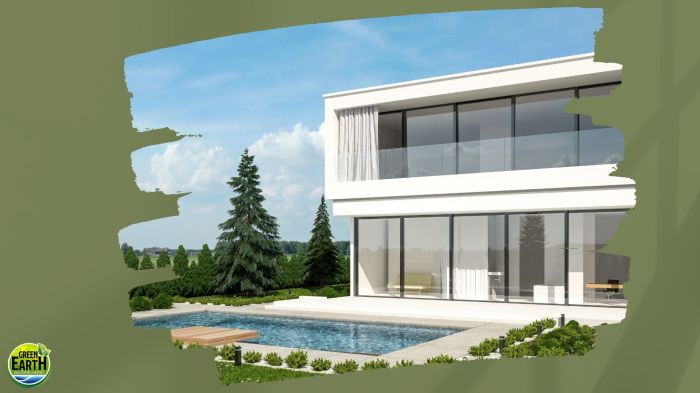
One of the most significant trends in landscaping design is the shift towards creating outdoor spaces that blend seamlessly with nature. This biophilic design approach emphasizes the connection between individuals and their surroundings, promoting wellness and relaxation. Key features of this trend include the use of native plants, natural materials, and organic shapes that mimic natural landscapes.Another notable trend is the incorporation of multifunctional spaces.
Homeowners are increasingly looking for designs that serve multiple purposes, such as combining entertainment areas with gardens or creating spaces for relaxation that also support local wildlife. This trend reflects a growing emphasis on sustainability and ecological mindfulness.
Popular Plant Varieties for Modern Curb Appeal
When it comes to enhancing curb appeal, certain plant varieties are gaining popularity due to their aesthetic appeal and ease of maintenance. Here are some top choices currently trending:
- Ornamental Grasses: Varieties like Miscanthus and Panicum add texture and movement to landscapes, thriving in various climates.
- Native Perennials: Plants such as Echinacea, Rudbeckia, and Agastache are not only beautiful but also attract pollinators, supporting local ecosystems.
- Succulents: With their unique shapes and low water requirements, succulents like Sedum and Echeveria are perfect for modern, drought-resistant gardens.
- Flowering Shrubs: Varieties such as Hydrangeas and Butterfly Bushes offer vibrant colors and scents, enhancing the overall appeal of any landscape.
These plant varieties not only boost visual appeal but also contribute to a more sustainable landscape by reducing water usage and supporting biodiversity.
Innovative Materials Gaining Popularity
The use of innovative materials in landscaping is becoming increasingly common, allowing for unique and sustainable designs. Some noteworthy materials include:
- Recycled Materials: Using recycled aggregates or reclaimed wood adds an eco-friendly element while providing character and history to landscaping projects.
- Permeable Pavers: These allow for better water drainage and reduce runoff, making them popular for driveways and patios.
- Composite Decking: Made from recycled materials, composite decking offers durability without the environmental impact of traditional wood.
- Steel and Corten Steel: These materials provide a modern look and are highly durable, ideal for creating contemporary garden beds or retaining walls.
By incorporating these materials, homeowners can create visually striking landscapes that also promote environmental responsibility.
Summary
Source: sunset02.com
In conclusion, focusing on Curb appeal landscaping ideas can lead to a remarkable improvement in your home’s aesthetic and market value. By incorporating essential landscaping elements, engaging in sustainable practices, and keeping abreast of current trends, you can create a vibrant and welcoming environment that reflects your personal style.
FAQ Corner
What is curb appeal?
Curb appeal refers to the attractiveness of a property’s exterior as viewed from the street, influencing first impressions.
How can landscaping increase property value?
Effective landscaping enhances visual appeal, making properties more desirable and potentially increasing their market value.
Are there low-maintenance options for curb appeal?
Yes, using native plants and drought-resistant landscaping can enhance curb appeal while minimizing maintenance.
What is hardscaping?
Hardscaping includes non-plant elements of landscaping such as pathways, patios, and retaining walls that complement the natural landscape.
How often should I maintain my landscape for curb appeal?
Regular maintenance, including mowing, pruning, and weeding, should be done at least bi-weekly to maintain curb appeal.