Overview of Custom Home Exterior Design Services
Custom home exterior design services focus on creating unique and personalized facades that enhance the aesthetic appeal and functionality of a home. These services encompass a range of options including architectural styles, materials, colors, and landscaping that work together to create a cohesive exterior. The goal is to not only meet the preferences of the homeowner but also to ensure that the design complements the environment and adheres to local regulations.The importance of exterior design in home construction and renovation cannot be overstated.
An inviting exterior not only boosts curb appeal but can also significantly increase property value. Furthermore, the exterior is the first impression visitors and passersby have of your home, making it crucial to invest in a design that reflects your personal style while remaining practical. From the choice of siding materials to the integration of outdoor living spaces, every element plays a vital role in achieving a well-rounded exterior that harmonizes beauty and functionality.
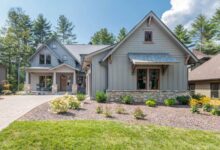

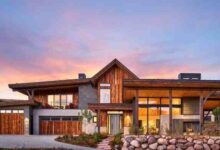
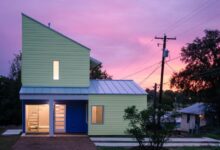
Key Elements of Custom Home Exterior Design
Several key components contribute to an effective custom home exterior design. Understanding these elements can help homeowners make informed decisions that align with their vision and budget.
- Architectural Style: The architectural style sets the tone for the entire home. Popular styles include modern, traditional, and craftsman, each offering unique characteristics that can influence the choice of materials and colors.
- Materials: The choice of materials greatly affects the durability and appearance of the exterior. Options include wood, brick, stone, stucco, and vinyl, each offering distinct benefits and aesthetics.
- Color Palette: The color scheme of a home’s exterior should harmonize with its surroundings while reflecting the homeowner’s personal taste. Neutral tones are often versatile, while bold colors can make a striking statement.
- Landscaping: Thoughtful landscaping enhances the overall look of the home. Strategic placement of trees, shrubs, and flower beds can create a welcoming atmosphere and improve privacy.
- Outdoor Living Spaces: Incorporating patios, decks, and porches into the design provides functional outdoor areas for relaxation and entertainment, adding to the home’s overall value.
- Lighting: Exterior lighting not only ensures safety but can also highlight architectural features and landscaping, creating a visually appealing environment during the evening hours.
“An inviting exterior not only boosts curb appeal but can also significantly increase property value.”
Benefits of Custom Home Exterior Design
Opting for custom home exterior design services presents a multitude of advantages that go far beyond mere aesthetics. Homeowners are increasingly recognizing the value of personalization, functionality, and quality that custom designs offer in comparison to standard options. Custom designs not only express individuality but also enhance the overall experience of living in a home tailored to specific tastes and needs.Choosing a custom exterior design enables homeowners to create a unique and cohesive look that reflects their personal style and enhances the character of the neighborhood.
Custom designs can optimize the use of space, increase energy efficiency, and improve the longevity of the home’s exterior. The following sections detail specific benefits associated with custom designs, including real-life testimonials that illustrate their positive impact.
Advantages of Custom Designs Over Standard Options
The key advantages of opting for custom home exterior designs include the following:
- Personalized Aesthetic Appeal: Custom designs allow homeowners to select materials, colors, and architectural features that resonate with their style preferences, resulting in a one-of-a-kind look that stands out in the community.
- Enhanced Functionality: Tailoring the exterior to meet specific needs, such as incorporating outdoor living spaces or optimizing natural lighting, ensures that the home is not only beautiful but also functional for everyday living.
- Durability and Quality: Custom designs often utilize high-quality materials and construction techniques that can lead to a longer-lasting exterior, reducing maintenance and replacement costs in the long run.
Homeowner Testimonials and Case Studies
Many homeowners who have opted for custom exterior designs share their positive experiences and the transformative impact it has had on their properties. For instance, the Johnson family, who customized their home in a suburban neighborhood, noted:
“The custom design process was an incredible journey. Our home now reflects our family’s personality, and we receive compliments from neighbors every week.”
Another case is that of the Smiths, who integrated energy-efficient features in their custom design. This decision not only improved their home’s look but also resulted in significant energy savings:
“We are thrilled with our custom exterior! It not only looks amazing, but our energy bills have dropped significantly since the renovations.”
Enhancement of Property Value and Curb Appeal
Investing in custom home exterior design can greatly influence property value and curb appeal, making homes more attractive to potential buyers. When a property features a unique exterior design, it often stands out in listings, catching the eye of prospective buyers. Factors contributing to increased property value through custom designs include:
- High-Quality Craftsmanship: Custom designs often showcase superior craftsmanship, which can result in higher appraisals and increased market value.
- Desirable Features: Unique elements such as custom-built decks, elegant entryways, or distinctive roofing can significantly boost curb appeal, attracting more buyer interest.
- Community Aesthetic Improvement: Well-designed homes can elevate the overall image of the neighborhood, potentially increasing the value of adjacent properties as well.
Key Elements of Custom Home Exterior Design
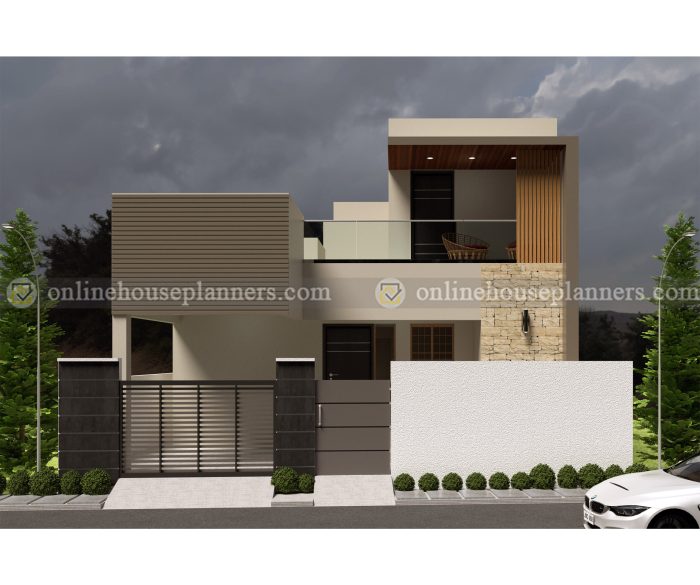
Source: onlinehouseplanners.com
Custom home exterior design is all about crafting a unique façade that reflects personal style while harmonizing with the surrounding environment. The key elements of effective exterior design extend beyond mere aesthetics; they encompass functionality, durability, and sustainability. A well-thought-out exterior not only enhances curb appeal but also contributes to the overall value and longevity of the home.When considering custom home exterior design, three essential features stand out: materials, colors, and landscaping.
Each of these elements plays a pivotal role in creating a cohesive look that is both inviting and distinctive.
Popular Materials Used in Custom Home Exteriors
Choosing the right materials is crucial in achieving a successful custom home exterior. The materials not only influence the home’s design but also its durability and maintenance needs. Below are some of the most popular materials utilized in custom home exteriors, each offering unique characteristics and benefits:
- Brick: Known for its timeless appeal and durability, brick provides excellent insulation and requires minimal maintenance.
- Wood: A versatile option that can be used in various styles, wood offers warmth and natural beauty, though it may require regular upkeep.
- Stone: Offering a rugged and natural appearance, stone is highly durable and adds a touch of elegance to any design.
- Vinyl Siding: This low-maintenance material comes in various colors and styles, making it a popular choice for budget-conscious homeowners.
- Stucco: Known for its smooth finish and ability to blend with different architectural styles, stucco is effective in warmer climates.
- Metal: Increasingly popular for modern designs, metal siding is durable and can be finished in an array of colors and textures.
The choice of materials significantly influences not only the aesthetic appeal but also the functionality and longevity of the home.
Architectural Style and Its Role in Exterior Design
Architectural style plays a vital role in shaping preferences for exterior design. It defines the overall character and can greatly influence the choice of materials, colors, and landscaping elements. Different styles, such as Traditional, Contemporary, or Craftsman, come with their own set of guidelines and features that homeowners often desire to incorporate.For instance, a Traditional home might favor classic elements like brick and wood with muted color palettes, while a Contemporary home may embrace bold colors and innovative materials like metal and glass.
Architectural style not only impacts the visual appeal but also dictates functional aspects, such as rooflines, window placements, and outdoor living spaces. Understanding how various styles influence design choices empowers homeowners to create an exterior that is truly reflective of their tastes while ensuring a harmonious integration with the neighborhood.
“The right combination of materials and architectural style creates a lasting impression that encapsulates both beauty and functionality.”
The Design Process for Custom Home Exteriors: Custom Home Exterior Design Services
The design process for custom home exteriors is a crucial journey that transforms personal visions into tangible realities. This stage is not just about aesthetics; it’s about creating a façade that complements the homeowner’s lifestyle and enhances property value. Engaging in this process involves various steps, each with its significance and contributions from different parties.The design process typically unfolds in several structured stages that ensure comprehensive planning and execution.
Each phase is vital for achieving a seamless integration of design, functionality, and client desires. Below is a detailed breakdown of these stages, complete with timeframes and the parties involved.
Stages of the Design Process
Understanding the stages of the design process is key to successful execution. This framework ensures every aspect is thoughtfully considered, leading to impressive results.
| Stage | Description | Timeframe | Involved Parties |
|---|---|---|---|
| Initial Consultation | Discussion of client needs, preferences, and budget. | 1 week | Homeowner, Designer |
| Concept Development | Creation of design concepts and preliminary sketches. | 2-3 weeks | Designer, Architect |
| Design Refinement | Review and refinement of chosen design elements. | 2 weeks | Designer, Homeowner |
| Material Selection | Choosing materials that meet aesthetic and functional requirements. | 1-2 weeks | Designer, Homeowner |
| Final Approval | Final design presentation and adjustments based on client feedback. | 1 week | Designer, Homeowner |
| Construction Documentation | Preparation of detailed plans for contractors. | 2-4 weeks | Designer, Architect |
| Implementation | Physical construction of the exterior design. | 4-12 weeks | Contractor, Designer, Homeowner |
Client involvement is fundamental throughout the design process. Their insights and preferences guide the project, ensuring the final design reflects their vision. Active participation allows for collaborative decision-making, fostering a sense of ownership and satisfaction in the end product. This partnership approach not only enhances the quality of the outcome but also cultivates a stronger relationship between the homeowner and the design team.
“Effective collaboration during the design process leads to exceptional results that resonate with the homeowner’s aspirations.”
Trends in Custom Home Exterior Design
The landscape of custom home exterior design is continually evolving, influenced by various factors such as cultural shifts, technological advancements, and environmental considerations. Today’s homeowners are seeking personalized designs that reflect their unique styles while also embracing functionality and sustainability. This segment will explore the latest trends in custom home exteriors, comparing traditional and contemporary styles, and examining the impact of sustainability on modern design choices.
Current Trends in Custom Home Exterior Design
Modern custom home designs are characterized by a blend of aesthetics and practicality. Homeowners are increasingly drawn to features that enhance curb appeal while also considering energy efficiency and durability. Key elements of contemporary design include open spaces, natural materials, and innovative technologies that cater to a more sustainable lifestyle.
Comparison of Traditional vs. Contemporary Design Trends
Understanding the differences between traditional and contemporary design trends is essential for homeowners aiming to create their ideal exterior. The following table highlights the key distinctions:
| Aspect | Traditional Design | Contemporary Design |
|---|---|---|
| Materials | Brick, stone, and wood | Metal, glass, and sustainable materials |
| Color Palette | Earthy tones, pastels | Bold colors, monochromatic schemes |
| Architectural Features | Symmetry, gables, ornate details | Asymmetry, clean lines, minimalistic details |
| Outdoor Spaces | Defined gardens, classic patios | Integrated spaces, open-air designs |
Sustainability in Modern Exterior Design Choices
Sustainability has become a pivotal element in contemporary home design, influencing choices in materials, construction methods, and landscaping. Homeowners are increasingly opting for eco-friendly options that minimize their environmental footprint. This includes the use of recycled materials, energy-efficient windows, and solar panels to power their homes.The trend also extends to landscaping, with an emphasis on native plants that require less water and maintenance.
By integrating sustainable practices into their exterior design, homeowners not only contribute to environmental conservation but often benefit from reduced utility costs and improved overall home value.
“Sustainable design is not just a trend; it’s a lifestyle that enhances the quality of life while respecting the planet.”
Choosing a Custom Home Exterior Design Service Provider

Source: etsystatic.com
Selecting the right service provider for custom home exterior design is crucial for ensuring your vision comes to life. With numerous options available, homeowners must carefully evaluate potential providers to find one that aligns with their specific needs, style preferences, and budgetary constraints. This decision can significantly impact not only the aesthetics of your home but also its overall value and functionality.The selection process should be guided by certain criteria that reflect the reliability, creativity, and professionalism of the service provider.
Homeowners should consider aspects such as experience, customer reviews, design style compatibility, and communication skills. A structured approach to evaluating potential providers can greatly enhance the chances of a successful collaboration.
Criteria for Selecting a Service Provider
Identifying key criteria helps streamline the selection process. Homeowners should prioritize the following factors when evaluating potential design service providers:
- Experience and Expertise: Look for providers with a proven track record in custom home exterior designs, including years of operation and number of completed projects.
- Design Style Compatibility: Ensure the provider’s design aesthetic aligns with your vision, whether contemporary, traditional, or a hybrid style.
- Client Reviews and Testimonials: Research past client feedback to gauge satisfaction levels and the provider’s ability to meet expectations.
- Communication Skills: Assess how effectively the provider communicates ideas and responds to inquiries, which is essential for a smooth design process.
- Budget Transparency: Choose providers who offer clear pricing structures and are willing to work within your budget without compromising quality.
Checklist of Questions for Potential Providers
Creating a checklist of questions ensures that all essential areas are covered during initial discussions with service providers. Important inquiries include:
- What is your design process and timeline for a project of this scale?
- Can you provide references from previous clients who have undertaken similar projects?
- How do you handle project changes and unexpected challenges?
- What materials and techniques do you recommend for longevity and aesthetic appeal?
- Do you provide a detailed contract outlining the scope of work and payment schedule?
This checklist not only facilitates thorough discussions but also helps homeowners feel more confident in their choice.
Significance of Portfolio Reviews, Custom home exterior design services
Reviewing a service provider’s portfolio is a critical step in the selection process. A well-curated portfolio showcases the provider’s range of capabilities, design styles, and level of craftsmanship. It allows homeowners to visualize the potential outcome of their own projects, providing insight into the provider’s aesthetic sensibilities and design execution.When reviewing portfolios, homeowners should look for consistency in quality, creativity in design, and examples of completed work that resonate with their personal style.
It can also be beneficial to ask the provider about specific projects that may be similar in scope or style to your own vision.
“An effective portfolio not only displays prior work but also tells a story of the designer’s unique approach and adaptability to various client needs.”
In summary, selecting a custom home exterior design service provider involves careful consideration of pertinent criteria, a thorough checklist of inquiries, and an insightful review of their portfolio. Each of these elements plays a significant role in ensuring a successful and satisfying design experience.
Challenges in Custom Home Exterior Design
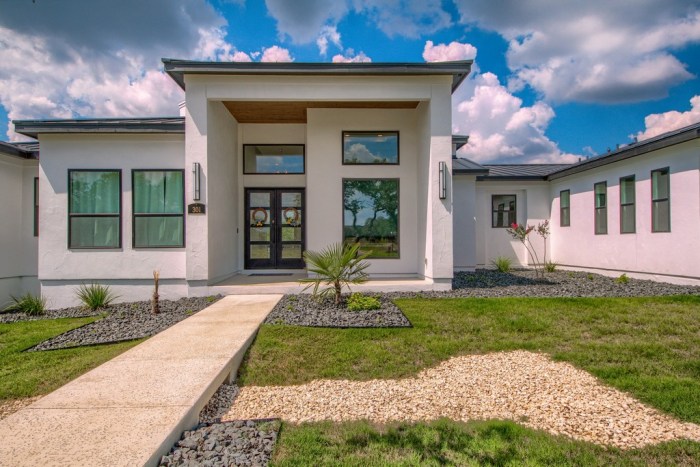
Source: pressablecdn.com
Custom home exterior design is an intricate process that comes with its own set of challenges during both the design and construction phases. Understanding these challenges is crucial for achieving a successful outcome that meets the homeowner’s vision and withstands environmental factors. This segment will delve into common obstacles faced by designers and builders, alongside effective solutions drawn from past projects.
Common Design and Construction Challenges
Several challenges can arise during the custom home exterior design process. Among these are budget constraints, adherence to local regulations, and the integration of innovative materials. Each of these factors can complicate the execution of a homeowner’s vision.* Budget Constraints: Many homeowners have a specific budget in mind that can limit design options. For instance, a project aimed at using high-end materials may need to be adjusted if costs exceed the planned budget.
Local Regulations
Compliance with zoning laws and building codes can be daunting. In one project, stringent regulations required the design team to alter the initial façade concept, resulting in a more traditional appearance while still incorporating modern elements.
Material Integration
Selecting materials that not only meet aesthetic desires but also function well in the local climate can be challenging. For example, using materials that endure harsh weather conditions while still providing the desired look is essential.
Solutions to Overcome Challenges
Addressing the aforementioned challenges requires careful planning and innovative thinking. Successful projects often rely on collaboration between designers, builders, and homeowners to find workable solutions.* Realistic Budget Planning: Engaging in thorough discussions about budget limitations early in the design phase allows for more creative solutions. For instance, a previous project involved replacing natural stone with high-quality synthetic materials, achieving a similar look while remaining within budget.
Staying Informed on Regulations
Regular consultation with local authorities can help navigate complex regulations. In one instance, a design team had to frequently liaise with the city planning office, resulting in a unique design that met all requirements while maintaining the homeowner’s vision.
Adapting Materials to Climate
Understanding local weather patterns aids in material selection. A project located in a coastal region utilized weather-resistant siding and roofing to ensure longevity, showcasing adaptability in design choices.
Weather Conditions and Their Impact on Design Choices
Weather conditions can significantly influence both design choices and construction timelines. Designers must consider various climatic factors, including temperature fluctuations, precipitation patterns, and seasonal variations, to ensure the exterior withstands the test of time.* Temperature Fluctuations: In areas with extreme temperature changes, such as a project in the Midwest, materials that expand and contract without damage were prioritized. This foresight led to a durable exterior that maintained its integrity year-round.
Precipitation Patterns
In regions prone to heavy rain, effective drainage solutions and moisture-resistant materials are essential. A prior project involved the installation of an advanced drainage system that minimized water damage risks while enhancing the aesthetic appeal through clever landscaping.
Seasonal Variations
Builders often face delays due to seasonal weather conditions. Planning construction schedules around local climate patterns can mitigate these delays. For example, a project in a snowy region was scheduled to begin after winter, allowing for smoother operations and timely completion.
Future of Custom Home Exterior Design
The future of custom home exterior design is poised to be an exciting fusion of technology, sustainability, and personal expression. As homeowners increasingly seek unique solutions that reflect their individuality, the landscape of custom design continues to evolve, influenced by both consumer preferences and cutting-edge innovations. This evolution not only enhances aesthetic appeal but also improves functionality and environmental harmony.Technological advancements are revolutionizing the way custom designs are conceived and executed, paving the way for innovative solutions in home exterior design.
From 3D visualization tools to augmented reality applications, technology allows homeowners and designers to collaboratively create personalized designs that can be visualized in real-time. These innovations enhance the design process, making it more interactive and tailored to individual needs.
Predicted Trends in Custom Home Exterior Design
As we look ahead, several key trends are anticipated to shape the future of custom home exterior design. These trends are driven by advancements in technology and shifts in consumer preferences:
- Sustainable Materials: The demand for eco-friendly materials is on the rise. Homeowners are increasingly opting for sustainable options like recycled materials and locally sourced wood, which not only reduce environmental impact but also add unique character to home exteriors.
- Smart Home Integration: Future designs will likely incorporate smart technology, allowing homeowners to control outdoor lighting, security systems, and climate from their devices, enhancing both convenience and safety.
- Adaptive Outdoor Spaces: The concept of flexible, multifunctional outdoor areas will become more prominent. Patios that easily convert into entertainment spaces or gardens that integrate with living areas will be highly sought after.
- Minimalist Aesthetics: A shift towards cleaner lines and minimalistic design will dominate. Homeowners will favor simplicity over complexity, focusing on efficient use of space and materials.
The integration of technology is redefining how custom designs are executed, enabling architects and designers to craft buildings with unparalleled precision and flexibility. For example, Building Information Modeling (BIM) allows for comprehensive planning and management throughout the design and construction process, reducing errors and saving time. Through these technological interfaces, the collaboration between designers and clients becomes more streamlined, fostering an environment of creativity and innovation.
Evolving Consumer Preferences
As consumer preferences continue to evolve, several key factors are influencing the direction of custom home exterior design. Today’s homeowners value personalization and functionality, seeking designs that resonate with their lifestyles and values. Homeowners are increasingly prioritizing outdoor living spaces, reflecting a shift towards a lifestyle that embraces nature and encourages outdoor activities. This trend is further amplified by the growing interest in wellness and sustainability, leading to preferences for homes that integrate seamlessly with their surroundings.In addition, aesthetics play a vital role in consumer choices.
A modern blend of traditional and contemporary styles, often referred to as “transitional design,” is gaining traction. This approach allows homeowners to express their unique tastes while still adhering to timeless principles of design. Overall, the future of custom home exterior design is set to be a vibrant tapestry woven from innovation, sustainability, and personal expression, ensuring that homes not only fulfill functional needs but also resonate on a deeper emotional level with their inhabitants.
Epilogue
In summary, custom home exterior design services offer a unique opportunity for homeowners to create spaces that are not only beautiful but also functional and tailored to their specific needs. By keeping up with trends and understanding the design process, you can make choices that will contribute to the longevity and value of your home. Embrace the journey of designing your dream home’s exterior, ensuring it stands out for years to come.
Quick FAQs
What is included in custom home exterior design services?
These services typically include consultation, design planning, material selection, landscaping, and oversight during the construction phase.
How long does the design process take?
The design process can vary, but it generally takes several weeks to a few months, depending on the complexity of the project.
Can I incorporate sustainable materials in my design?
Yes, many custom home exterior design services focus on incorporating sustainable materials to enhance energy efficiency and reduce environmental impact.
Will custom designs increase my home’s value?
Absolutely! Custom designs can significantly boost your property’s value and appeal to potential buyers.
How do I choose the right service provider?
Look for providers with a strong portfolio, positive client testimonials, and a clear understanding of your design vision.