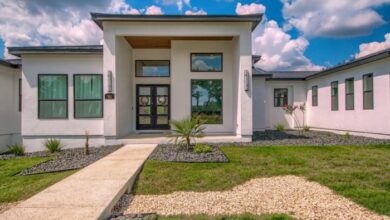
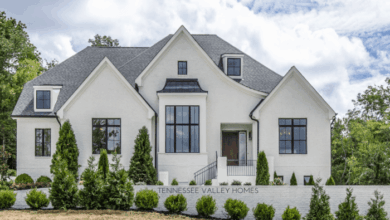
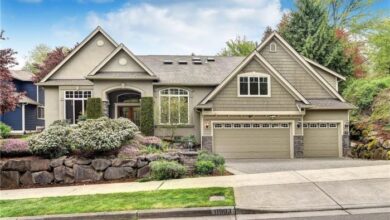
Overview of Modern Home Exterior Designs
Modern home exterior designs represent a departure from traditional architectural styles, emphasizing clean lines, open spaces, and innovative materials. These designs prioritize simplicity and functionality, creating a seamless blend of aesthetics and practicality. The goal is to achieve a visually appealing structure that stands the test of time while also catering to contemporary living needs.The evolution of architectural styles has significantly influenced modern exterior designs.
Transitioning from ornate Victorian styles to the minimalist ethos of the Bauhaus movement, each era brought forward new ideas and approaches to home construction. The industrial revolution introduced materials like steel and glass, enabling architects to create bold, airy spaces that reflect a modern lifestyle. Today, these influences coalesce to form a diverse palette of design options, ranging from sleek urban homes to cozy, sustainable dwellings.
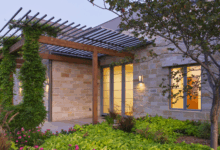


Key Characteristics of Modern Home Exteriors
Modern home exteriors are characterized by several defining features that set them apart from their predecessors. Understanding these characteristics is essential for appreciating the functionality and beauty inherent in modern designs.
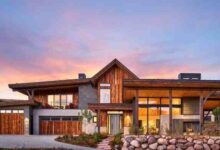
- Simplicity: Modern exteriors often embrace minimalism, showcasing clean lines and uncluttered spaces that create a serene environment.
- Use of Natural Materials: Wood, stone, and metal are frequently utilized, providing a connection to nature while maintaining a contemporary feel.
- Large Windows: Expansive glazing allows for ample natural light and creates a sense of openness, blurring the lines between indoor and outdoor spaces.
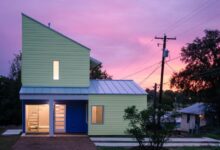
- Flat Roofs: Many modern designs favor flat or low-pitched roofs, contributing to their streamlined appearance.
- Integration with Environment: Modern homes are often designed to harmonize with their surroundings, incorporating landscape features and sustainable practices.
“Modern architecture is a reflection of the time, embracing innovation while respecting environmental integrity.”
The significance of aesthetics and functionality in modern home exteriors cannot be overstated. These designs not only enhance visual appeal but also prioritize energy efficiency and sustainability. Features such as solar panels, green roofs, and energy-efficient windows make modern homes environmentally friendly, reducing their carbon footprint while offering homeowners a comfortable living space that meets contemporary demands. A well-designed modern exterior is not just about looks; it’s about creating a lifestyle that values both beauty and practicality, ensuring that homes are not only visually striking but also livable and efficient.
Popular Materials Used in Modern Exteriors
Modern exterior designs have embraced a variety of materials, each contributing to the aesthetic and functional aspects of homes. This blend of materials not only enhances visual appeal but also serves practical purposes such as durability, insulation, and maintenance. Understanding the common materials used in modern home exteriors allows homeowners and architects to make informed choices that align with their design vision and functional requirements.When discussing materials for modern home exteriors, several options stand out due to their unique properties, performance, and design flexibility.
Below, we explore these materials, outlining their benefits and drawbacks, along with examples of homes that effectively utilize them.
Wood
Wood remains a favored choice in modern home exteriors for its natural beauty and versatility. It can be used for siding, decking, and decorative elements, providing warmth and character to any design.Benefits of wood include:
-
Natural Insulation: Wood has excellent insulating properties, helping to regulate interior temperatures.
-
Aesthetic Appeal: The rich textures and colors of wood add a timeless elegance to homes.
-
Eco-Friendly: When sourced sustainably, wood is a renewable resource and has a lower carbon footprint.
However, wood also has its drawbacks:
-
Maintenance: Wood requires regular maintenance, including staining and sealing, to prevent rot and damage.
-
Vulnerability: It can be susceptible to pests, such as termites, and environmental factors like moisture.
An example of a modern home using wood is the “Wood House” in Japan, which features a striking wooden facade that seamlessly integrates with its natural surroundings.
Metal
Metal is increasingly popular in modern home designs, particularly for roofing and siding. This material offers a sleek, contemporary look that complements various architectural styles.Benefits of metal include:
-
Durability: Metal is resistant to weather, fire, and pests, providing a long lifespan with minimal maintenance.
-
Recyclability: Metal can be recycled at the end of its lifecycle, contributing to environmentally friendly building practices.
-
Lightweight: Metal is lighter than many traditional materials, reducing structural loads and facilitating easier installation.
On the downside:
-
Cost: Depending on the type, metal can be more expensive upfront compared to other materials.
-
Noise: Rain or hail can create more noise on metal surfaces compared to softer materials.
The “Steel House” in Melbourne showcases the use of metal siding, providing a modern and industrial aesthetic while ensuring durability.
Stucco
Stucco is a traditional material that has found its place in modern architecture, often used for exterior walls. Its versatility allows for different finishes and textures, making it suitable for a variety of styles.Benefits of stucco include:
-
Energy Efficiency: Stucco provides excellent insulation, contributing to energy savings in heating and cooling.
-
Low Maintenance: Once applied, stucco requires minimal upkeep compared to other materials.
-
Design Flexibility: Available in various colors and finishes, stucco can easily adapt to different design visions.
However, there are drawbacks:
-
Cracking: Stucco can crack if not applied correctly or if the foundation shifts.
-
Moisture Issues: In humid climates, stucco can trap moisture, leading to potential mold problems.
A notable example is the “Modern Stucco House” in California, which combines stucco with other materials to create a striking visual contrast.
Brick
Brick has stood the test of time and continues to be a popular choice in modern home designs. Its classic appeal and sturdy nature make it a reliable option.Benefits of brick include:
-
Longevity: Brick is incredibly durable, often lasting for decades without significant wear.
-
Fire Resistance: Brick is non-combustible and can withstand fire, enhancing home safety.
-
Low Maintenance: Once installed, brick requires minimal upkeep and is resistant to pests.
However, it has some limitations:
-
Cost: Brick can be more expensive to install than other materials due to the labor-intensive process.
-
Weight: The heavy nature of brick requires a robust foundation, which can increase construction costs.
The “Brick Modern” home in Belgium exemplifies the use of brick in a contemporary context, showcasing its timeless appeal alongside modern design elements.
Color Schemes and Combinations
Source: mondoro.com
When it comes to modern home exterior designs, color plays a crucial role in defining the overall aesthetic. Choosing the right color scheme can enhance architectural features, create visual interest, and even influence the home’s ambiance. Trending color palettes lean towards bold yet sophisticated combinations, often reflecting the homeowner’s personality while maintaining a contemporary feel.The selection of colors for modern exteriors should harmonize with the architectural style of the home.
This balance helps to create a unified look that enhances the home’s appeal. Neutral tones often serve as a great base, while accent colors can bring life and vibrancy to the façade. The key is to ensure that the chosen colors complement both the structure and the surrounding environment.
Trending Color Palettes for Modern Exteriors
The modern exterior landscape is rich with diverse and trendy color choices. Here are some popular palettes that have made waves recently:
- Monochromatic Schemes: Utilizing varying shades of a single color can create a sleek and cohesive look. For instance, different tones of gray can add depth while keeping a minimalistic approach.
- Earthy Tones: Shades like terracotta, olive green, and muted browns are not only trendy but also offer a natural vibe that connects the home with its surroundings.
- Bold Contrasts: Pairing dark colors, such as navy or charcoal, with bright accents like mustard yellow or teal creates a striking visual impact and brings modern sophistication.
- Pastel Combinations: Soft pastels like pale pink or mint green can provide a fresh and inviting look, perfect for coastal or suburban homes.
Choosing Complementary Colors
Selecting colors that enhance the architectural style of a home is essential for achieving harmony. Here are some tips that can guide homeowners in making informed decisions:
- Study Architectural Elements: Analyze the house’s lines, shapes, and materials. A contemporary flat-roofed home may pair well with sleek blacks and whites, while a craftsman-style house might flourish with earthy greens and browns.
- Consider the Surroundings: The environment can significantly influence color choices. Homes surrounded by lush greenery may benefit from colors that echo the landscape, while urban settings might favor bolder colors to stand out.
- Utilize Color Theory: Understanding basic color theory can help in choosing complementary shades. For example, colors opposite each other on the color wheel generally create a pleasing contrast.
Successful Color Combinations in Modern Homes
Several modern homes have become notable examples of effective color combinations that enhance the overall aesthetic.
“A well-chosen color palette can transform a dull facade into a stunning statement.”
One striking example is a contemporary home featuring a dark navy exterior complemented by crisp white trim. This combination not only looks elegant but also modernizes the classic American farmhouse style. Another successful pairing can be found in a sleek, all-white structure accented with warm wooden panels and a vibrant red door, creating a welcoming yet sophisticated atmosphere. Finally, a minimalistic house clad in gray stone with charcoal black accents illustrates how understated elegance can be achieved through a refined palette.These examples illustrate the power of color in modern home design, emphasizing that with the right choices, a home’s exterior can truly shine.
Landscaping and Outdoor Spaces
Landscaping plays a crucial role in enhancing the visual appeal and functionality of modern home exteriors. By thoughtfully integrating outdoor spaces, homeowners can create a seamless transition between the indoor and outdoor environments, emphasizing the overall design of their homes. The right landscaping not only beautifies the surroundings but also contributes to the home’s value and livability.In modern home designs, landscaping encompasses a variety of elements including patios, decks, and walkways, which complement and elevate the architectural features of the home.
Patios and decks serve as extensions of living spaces, providing areas for relaxation and entertainment. Walkways guide visitors through the landscape while also serving practical purposes. The materials chosen for these elements—such as concrete, natural stone, or composite wood—can reflect the home’s modern aesthetic, creating an inviting atmosphere that aligns with contemporary design principles.
Design Elements in Modern Landscaping
Incorporating specific design elements can significantly enhance the outdoor spaces of modern homes. Below are key features that work harmoniously with modern architecture:
- Patios: Typically constructed with sleek materials like large-format concrete slabs or modular pavers, patios serve as functional outdoor lounges, ideal for gatherings or solitary relaxation.
- Decks: Often elevated or multi-level, modern decks may feature minimalist railings and can be made from sustainable materials, such as composite wood, which complements the eco-friendly trend in modern home designs.
- Walkways: These can be designed with geometric patterns using stones or pavers, leading to entrances or outdoor features, providing both utility and style.
- Outdoor Kitchens: A growing trend in modern landscaping, outdoor kitchens enhance functionality and encourage outdoor dining experiences, often featuring sleek cabinetry and high-end appliances.
- Fire Pits: These provide warmth and ambiance, often designed with contemporary materials like steel or stone, serving as focal points for outdoor gatherings.
In addition to structural features, the choice of plants and natural elements is vital. Selecting the right plants enhances aesthetic appeal while ensuring they thrive in the local climate. Below is a list of plants and features that integrate beautifully with modern home designs:
- Succulents and Cacti: These drought-resistant plants are perfect for low-maintenance gardens and fit well with modern aesthetics.
- Ornamental Grasses: Varieties like Blue Fescue or Fountain Grass add texture and movement to the landscape, enhancing the modern feel.
- Native Plants: Incorporating local flora supports biodiversity and reduces water consumption, aligning with sustainable design practices.
- Vertical Gardens: These innovative features allow for creativity in landscaping, providing lush greenery on walls and fences.
- Hardscaping Elements: Incorporating stone walls, planters, and sculptures can add dimension and interest to the outdoor space, enhancing the overall design.
Lastly, lighting features such as recessed lights in pathways, spotlights on trees, or ambient lighting around patios can further elevate the outdoor experience, creating a cozy atmosphere for evening gatherings. The combination of these elements, carefully curated, helps in achieving a cohesive and sophisticated outdoor space that complements modern home exteriors beautifully.
Innovative Design Elements: Modern Home Exterior Designs
Source: homedit.com
Modern home exterior designs are increasingly characterized by innovative design elements that enhance aesthetic appeal and functionality. These features not only contribute to the overall style of a home but also promote sustainability and comfort. Innovations such as large windows, green roofs, and solar panels are redefining the architectural landscape, making homes more inviting and environmentally friendly.
Role of Large Windows and Natural Light
Large windows are a hallmark of modern architecture, playing a crucial role in integrating natural light into living spaces. They create a seamless connection between the indoors and outdoors, making homes feel more spacious and inviting. By allowing ample sunlight to filter through, large windows reduce the reliance on artificial lighting, which can lead to significant energy savings. Additionally, natural light has been shown to positively impact mood and well-being, making spaces feel more vibrant and warm.For instance, one can find stunning examples of homes like the “Glass House” designed by Philip Johnson, which features floor-to-ceiling windows that offer unobstructed views of the surrounding landscape.
Such designs not only enhance the aesthetic appeal but also blur the lines between indoor comfort and outdoor beauty.
Integration of Sustainable Features
The incorporation of sustainable features is increasingly vital in modern home exteriors, reflecting a growing commitment to environmental responsibility. Elements such as green roofs and solar panels not only lower energy consumption but also contribute to the overall sustainability of the structure.Green roofs, for example, provide insulation, improve air quality, and reduce stormwater runoff. They support biodiversity by creating a habitat for various species while enhancing the aesthetic appeal of the home.
Solar panels, on the other hand, harness renewable energy, significantly lowering electricity bills and carbon footprints.Homes like the “Zero Energy House” in California exemplify this approach. This residence integrates both green roofs and solar panels, achieving a harmonious balance between modern design and sustainability. Such innovative features are becoming essential as homeowners recognize the long-term benefits of eco-friendly living.
Examples of Homes with Innovative Design Elements
Numerous contemporary homes successfully incorporate innovative design elements that are not only functional but also visually striking. Highlighting these examples can inspire future designs and showcase the possibilities within modern architecture.
The “Farnsworth House” by Ludwig Mies van der Rohe is an iconic example that utilizes large glass panels and open spaces to create an unbroken connection with nature.
- The “Klein Dytham Architecture’s” “House of the Future” in Tokyo integrates smart home technologies with sustainable features, showcasing how innovation can enhance everyday living while prioritizing eco-friendliness.
- Another remarkable example is the “Floating House” by Garrison Architects, designed to withstand flooding while offering breathtaking views through expansive windows and a sustainable water collection system.
These homes stand as testaments to the integration of innovative elements in modern design, reflecting a trend towards increased sustainability and connectivity with nature. Through such examples, one can appreciate how creativity and responsibility can coexist in architecture.
Lighting Solutions for Modern Exteriors
Exterior lighting plays a pivotal role in amplifying the aesthetic appeal and functionality of modern homes. Not only does it enhance curb appeal, but it also ensures safety and security during nighttime. Properly designed lighting can accentuate architectural features, create ambiance, and improve outdoor usability, transforming the exterior into a welcoming space after dusk.The variety of lighting fixtures available today allows homeowners to choose styles that seamlessly blend with their modern exterior designs.
From sleek, minimalist fixtures to more statement pieces that draw attention, the right selection can significantly elevate the overall look of a home. The key is to balance form and function, ensuring that all areas are well-lit while maintaining a stylish appearance.
Types of Lighting Fixtures for Modern Homes, Modern home exterior designs
Choosing the appropriate lighting fixtures is essential for a cohesive modern aesthetic. Below are some common types of lighting used in modern exteriors, each offering unique benefits:
- Wall Sconces: These fixtures add a touch of elegance and can be mounted beside doors or along pathways, providing ambient light while highlighting architectural details.
- Path Lights: Ideal for illuminating walkways and driveways, path lights ensure safe navigation while adding a charming glow to the landscape.
- Recessed Lighting: Installed in overhangs or ceilings of porches, recessed lights offer a clean and unobtrusive lighting solution that can spotlight specific areas without bulky fixtures.
- Flood Lights: Great for security and illuminating large spaces, flood lights can be strategically placed to cover wide areas of the property, ensuring safety and visibility.
- String Lights: Often used in outdoor living spaces, these lights create a whimsical and inviting atmosphere, perfect for gatherings and entertaining.
To better understand the diverse lighting styles available, the following table provides descriptions and examples of each type:
| Lighting Style | Description | Example |
|---|---|---|
| Wall Sconce | Mounted on exterior walls to provide soft, ambient light. | Modern geometric designs in matte black or white. |
| Path Light | Illuminates walkways with a soft glow while enhancing landscape aesthetics. | Stainless steel fixtures with LED bulbs. |
| Recessed Lighting | Flush with the ceiling or overhang, providing discreet lighting. | Warm white LED fixtures installed in porch ceilings for an elegant look. |
| Flood Light | High-intensity light to illuminate large areas and enhance security. | Adjustable LED flood lights mounted on the exterior corners of the house. |
| String Lights | Festive lighting perfect for patios and outdoor dining areas. | Warm Edison bulb string lights draped across a patio. |
“The right lighting not only enhances the beauty of your home but also ensures safety and functionality in outdoor spaces.”
Trends in Modern Home Exterior Designs
Source: mondoro.com
Modern home exterior designs are constantly evolving, reflecting both advancements in technology and shifts in societal values. Today, homeowners seek aesthetics that blend seamlessly with sustainability, functionality, and individuality. This shift has given rise to innovative trends that not only redefine the concept of home exteriors but also enhance their role in contemporary living.One of the most notable trends influencing modern home exteriors is the increasing emphasis on sustainability.
This is evident in the growing use of eco-friendly materials and energy-efficient designs. Homeowners are now prioritizing elements such as green roofs, solar panels, and rainwater harvesting systems, which contribute to both lower utility costs and a reduced carbon footprint. Additionally, the demand for low-maintenance exteriors has led to a rise in the popularity of composite materials, which mimic traditional aesthetics while offering greater durability and ease of care.
Redefining Traditional Elements
Traditional design elements are undergoing significant redefinition to align with contemporary sensibilities. Features that were once considered purely ornamental are now being integrated with functional design.
- Open Floor Plans: While traditional homes often featured segmented spaces, modern designs favor open layouts that create a sense of flow and connection with the outdoors.
- Mixed Materials: Traditional brick or wood sidings are now paired with metal and glass to create striking contrasts, enhancing visual interest while maintaining functional integrity.
- Large Windows: Once a luxury, expansive glass windows are becoming standard, allowing for abundant natural light and connections to the surrounding landscape.
- Porches and Decks: These elements are evolving from small, decorative features into expansive outdoor living spaces, serving both aesthetic and recreational purposes.
Future Predictions in Home Exterior Designs
Looking ahead, several predictions can be made about the future of home exterior designs. The integration of smart technology will likely become more commonplace, with features such as automated shading systems and smart lighting being incorporated into the facade of homes. Moreover, the trend towards biophilic design, which seeks to connect people with nature, is expected to gain traction, with more homes featuring living walls and integrated gardens.
Another prediction is the move toward modular design, where homes are constructed using prefabricated sections that can be easily assembled on-site. This approach not only speeds up construction times but also allows for greater customization and adaptability to various landscapes and climates. Finally, the aesthetic of ‘minimalist charm’ is anticipated to rise, focusing on simplicity, clean lines, and a limited color palette, encouraging homeowners to find beauty in less rather than more.
The future of home exteriors lies in the seamless blend of technology, nature, and minimalist design, creating spaces that are not only beautiful but also sustainable.
Case Studies of Iconic Modern Homes
Modern architecture has given rise to some truly iconic homes that not only exemplify innovative design but also influence architectural trends across the globe. These homes reflect a combination of functionality, aesthetics, and environmental integration, serving as benchmarks for contemporary residential design. By examining these properties, we can glean insights into the elements that contribute to their lasting impact on modern home exterior design.The unique features of iconic modern homes often stem from their distinct architectural styles, innovative use of materials, and thoughtful integration of outdoor and indoor spaces.
Each home presents a case study in how contemporary design can harmonize with the environment while pushing the boundaries of traditional construction methods.
Overview of Iconic Modern Homes
Some of the most celebrated modern homes have set new standards for architectural design. Their characteristics often include the following key innovations:
- Farnsworth House
-Designed by Ludwig Mies van der Rohe, this minimalist glass structure exemplifies the concept of transparency in architecture, seamlessly blending with its natural surroundings. - Villa Savoye
-A prime example of Le Corbusier’s “Five Points of Architecture,” featuring pilotis, flat roof terrace, open floor plan, horizontal windows, and free facade design. - Fallingwater
-Frank Lloyd Wright’s masterpiece merges architecture with nature, incorporating cantilevered terraces that extend over a waterfall, creating a unique relationship between the home and the landscape. - The Glass House
-Philip Johnson’s iconic structure embraces transparency, utilizing glass walls to dissolve the boundaries between indoor and outdoor spaces, and encouraging interaction with nature. - Casa Batlló
-Antoni Gaudí’s vibrant design showcases organic forms and intricate details, representing the transition from traditional to modern architecture through its unique mosaic and sculptural elements.
“Modern architecture should speak of its time and place, but yearn for timelessness.”
Frank Gehry
These homes not only highlight architectural innovation but also emphasize the importance of context, as their designs are often a direct response to their surroundings. By studying their unique features, we can better appreciate the evolution of modern home design and its ongoing influence on current trends in architecture.
Conclusion
In conclusion, modern home exterior designs represent a harmonious balance between beauty and functionality, paving the way for future architectural trends. As we explore various materials, color palettes, and innovative elements, it becomes clear that these designs are not just a passing fad but a lasting movement that enhances our living spaces. Embracing modernity in home design offers endless possibilities for creativity and expression.
FAQ Summary
What are the key characteristics of modern home exterior designs?
Modern home exterior designs are characterized by clean lines, open spaces, and the use of innovative materials that emphasize simplicity and functionality.
How do I choose the right materials for my modern home?
Consider factors like durability, maintenance, and aesthetic appeal when selecting materials. Popular choices include wood, metal, and glass.
What color schemes work best for modern exteriors?
Neutral palettes with bold accent colors are trending, allowing for a sleek and contemporary appearance while maintaining character.
How can landscaping enhance modern home designs?
Landscaping can create a cohesive outdoor space that complements modern design, utilizing clean edges, geometric shapes, and native plants.
What innovative design elements should I consider?
Incorporating large windows for natural light, green roofs, and solar panels can elevate the modern aesthetic while promoting sustainability.