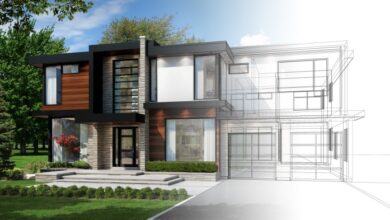
Eco-Friendly Home Design Principles
Eco-friendly home designs – The principles of eco-friendly home design focus on creating living spaces that not only meet the needs of occupants but also minimize their environmental impact. These principles are rooted in sustainability, energy efficiency, and the use of eco-friendly materials. The incorporation of these elements in home construction plays a crucial role in promoting a healthier environment and a more sustainable future.The importance of sustainability in home construction cannot be overstated.
Sustainable homes are designed to use resources efficiently and create minimal waste. They often utilize renewable energy sources, such as solar panels and wind turbines, to reduce reliance on fossil fuels. By recycling materials and reducing the carbon footprint, eco-friendly homes contribute to combating climate change, preserving natural resources, and fostering a healthier ecosystem.





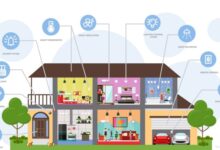
Core Principles of Eco-Friendly Home Design, Eco-friendly home designs
When considering eco-friendly home design, several core principles stand out. These principles guide the construction and renovation processes, ensuring that homes are not only comfortable but also environmentally responsible. Here are the key principles to consider:
- Energy Efficiency: Designing homes that minimize energy consumption through better insulation, energy-efficient windows, and appliances. For instance, homes with passive solar design can effectively use natural sunlight for heating and lighting, reducing energy needs.
- Water Conservation: Implementing systems that reduce water usage, such as rainwater harvesting, greywater recycling, and low-flow fixtures. This approach helps to lessen the strain on local water supplies and encourages responsible water use.
- Sustainable Materials: Using building materials that are renewable, recycled, or sustainably sourced. Bamboo, reclaimed wood, and recycled metal are excellent examples that reduce environmental impact while providing durability.
- Indoor Air Quality: Focusing on non-toxic materials and proper ventilation to create healthier living environments. This includes using paints with low volatile organic compounds (VOCs) and ensuring good air circulation through strategic window placements.
- Site Responsiveness: Designing homes that harmonize with the surrounding environment by considering the local climate, topography, and ecosystem. This principle encourages the use of landscaping that requires minimal irrigation and promotes the preservation of native flora and fauna.
The impact of eco-friendly materials on the environment is profound. Utilizing materials that are sustainably sourced or recycled significantly lowers the carbon footprint associated with home construction. For example, building with rammed earth or straw bales can sequester carbon and reduce the need for energy-intensive materials like concrete. Additionally, eco-friendly materials often have a longer lifespan, which means they don’t need to be replaced as frequently, further reducing waste over time.
“When we choose eco-friendly materials, we choose to invest in a sustainable future for both ourselves and the planet.”
This commitment to sustainability not only enhances the quality of our living spaces but also promotes a lifestyle that respects and nurtures our environment.
Sustainable Materials for Home Construction
Building an eco-friendly home involves selecting materials that minimize environmental impact while ensuring durability and safety. Sustainable materials not only reduce the carbon footprint but also enhance energy efficiency, which is beneficial for both homeowners and the planet. Incorporating these materials into home design can lead to healthier living spaces and lower utility costs over time.Sustainable building materials can be classified into several categories, each offering unique benefits that contribute to environmentally responsible construction.
These materials often come from renewable or recycled sources, ensuring that their use does not deplete natural resources. Here are some notable examples of sustainable materials and their advantages:
Types of Sustainable Building Materials
The importance of choosing the right materials cannot be overstated, as they play a critical role in both the performance and environmental impact of the home. The following list highlights various sustainable building materials along with their benefits:
- Bamboo: This fast-growing grass is incredibly strong and versatile, making it a perfect substitute for wood in flooring and cabinetry. Its rapid growth rate makes it a highly renewable resource.
- Recycled Steel: Steel is highly recyclable, and utilizing recycled steel in construction helps reduce the need for new raw materials, lowering energy consumption and greenhouse gas emissions.
- Reclaimed Wood: Sourcing wood from old buildings or discarded furniture not only helps preserve forests but adds character and history to new constructions.
- Cork: Harvested from the bark of cork oak trees, cork is an excellent insulation material that is both renewable and biodegradable.
- Straw Bales: Used as insulation or structural elements, straw bales are an excellent thermal insulator and are sourced from agricultural byproducts.
Use of Recycled Materials in Home Designs
Incorporating recycled materials into home designs significantly reduces waste and conserves natural resources. The use of such materials often makes homes more affordable while still adhering to sustainable principles. For instance, using recycled glass in countertops or tiles not only repurposes waste but creates unique aesthetic qualities.An example of effective use of recycled materials can be found in many modern urban developments, where reclaimed bricks and tiles are utilized in facades or pathways.
This practice reduces landfill waste and embodies a circular economy approach.
Renewable Resources Suitable for Construction
Renewable materials are key elements in sustainable construction, as they are replenished naturally over time. Here’s a look at some renewable resources commonly used in building projects:
- Hemp: Hempcrete is a lightweight, insulating material made from the hemp plant. It is not only durable but also absorbs CO2 during its growth cycle.
- Ram Earth: This ancient building technique uses natural raw materials—such as earth, chalk, lime, or gravel—compressed into forms to create sturdy walls, providing natural insulation.
- Wool: Sheep’s wool is an excellent insulation material, which is sustainably sourced and highly effective in regulating indoor temperatures.
“By adopting sustainable and renewable materials in construction, we not only safeguard the environment but also create healthier living spaces for future generations.”
Energy Efficiency in Home Designs
Energy efficiency is a crucial aspect of modern home design that not only reduces energy consumption but also lowers utility bills and minimizes environmental impact. By integrating energy-efficient strategies, homeowners can create comfortable living spaces that are sustainable and economical in the long run. This segment explores various methods to enhance energy efficiency within homes, emphasizing appliances and heating and cooling systems.
Methods to Enhance Energy Efficiency in Homes
Several strategies can be employed to boost the energy efficiency of a home. These methods are essential to reducing energy waste and optimizing performance. Here are some effective practices:
- Proper Insulation: Ensuring that walls, attics, and basements are properly insulated minimizes heat loss in winter and keeps homes cooler in summer. Materials such as spray foam, fiberglass, and cellulose offer various R-values for optimal thermal resistance.
- Energy-efficient Windows: Installing double or triple-pane windows with low-emissivity (Low-E) coatings can significantly reduce heat transfer, keeping homes comfortable year-round. These windows can also block UV rays, helping to preserve furnishings.
- Smart Home Technology: Utilizing smart thermostats and energy management systems allows homeowners to monitor and control energy use efficiently, leading to reduced consumption and increased savings.
Energy-efficient Appliances and Their Advantages
Energy-efficient appliances play a pivotal role in minimizing energy consumption in households. These appliances are designed to operate using less energy while maintaining high performance. Key benefits include:
- Lower Utility Bills: Energy-efficient appliances, such as Energy Star-rated refrigerators and washing machines, consume significantly less energy compared to standard models, resulting in notable savings on monthly utility bills.
- Environmental Impact: By reducing energy consumption, these appliances lower greenhouse gas emissions, contributing to a healthier planet. For instance, replacing an old refrigerator with an energy-efficient model can reduce emissions equivalent to the annual carbon footprint of a car.
- Enhanced Performance: Many energy-efficient appliances incorporate advanced technology that not only saves energy but also improves functionality. Features like moisture sensors in dryers can optimize drying cycles, further enhancing efficiency.
Comparison of Traditional vs. Energy-efficient Heating and Cooling Systems
The heating and cooling systems in a home greatly influence overall energy efficiency. Traditional systems often consume excessive energy and can lead to higher operating costs. In contrast, energy-efficient systems offer substantial advantages:
- Heat Pumps: Unlike conventional heating systems, heat pumps transfer heat instead of generating it, which can be three to four times more efficient than traditional furnaces. For example, an energy-efficient heat pump can achieve a seasonal energy efficiency ratio (SEER) of 20 or more, compared to a standard unit at 13 or less.
- Smart Thermostats: These devices optimize heating and cooling schedules based on user behavior and preferences, significantly reducing energy usage. They can save homeowners an average of 10-15% on heating and cooling costs annually.
- Zone Heating and Cooling: Implementing zoned systems allows for targeted heating and cooling in specific areas of the home, reducing energy waste. This system can save up to 30% on energy costs by not conditioning unoccupied spaces.
Water Conservation Strategies
Water conservation is a vital aspect of eco-friendly home design that not only reduces utility bills but also helps protect our precious natural resources. Implementing effective water-saving measures is essential for sustainable living, as it promotes responsible usage of water, especially in areas prone to drought or water scarcity. This section delves into innovative fixtures, landscaping techniques, and systems to harness rainwater, all aimed at assisting homeowners in making informed choices for a greener future.
Water-saving fixtures for eco-friendly homes
Incorporating water-saving fixtures is an effective strategy for reducing overall water consumption in homes. These fixtures are designed to use less water while maintaining performance, making them ideal for eco-conscious homeowners. Some options include low-flow faucets, dual-flush toilets, and efficient showerheads.
“Low-flow fixtures can reduce water usage by up to 50% compared to standard models.”
Low-flow faucets typically have aerators that mix air with the water flow, providing a satisfying pressure while using less water. Dual-flush toilets offer two flushing options—one for liquid waste and another for solid waste—allowing homeowners to save multiple gallons per flush. Efficient showerheads can also limit flow rates without sacrificing water pressure, ensuring that daily routines are eco-friendly.
Landscaping techniques that promote water conservation
Landscaping plays a significant role in water conservation, as the right techniques can significantly reduce the amount of water required for maintaining gardens and yards. Drought-resistant plants and xeriscaping are popular choices. Utilizing native plants that are adapted to local climate conditions can minimize the need for irrigation. Incorporating mulch around plants helps retain moisture in the soil and reduces evaporation.
Additionally, designing gardens with contouring techniques redirects rainwater to plant roots, allowing for natural irrigation.
“Xeriscaping can reduce outdoor water use by up to 70%.”
Implementing drip irrigation systems can target water directly to the roots of plants, minimizing waste and promoting healthy growth. This method is more efficient than traditional sprinklers, which often result in evaporation loss.
Rainwater harvesting systems and their uses
Rainwater harvesting systems capture and store rainwater for various uses, providing an excellent way for homeowners to conserve water and lessen their reliance on municipal supplies. This practice not only helps in reducing stormwater runoff but also promotes sustainability. Here are common types of rainwater harvesting systems and their applications:
- Rain Barrels: Simple containers placed under downspouts to collect rainwater for watering gardens and lawns.
- Above-Ground Tanks: Larger storage tanks that can hold more water and serve multiple purposes, including irrigation and non-potable household uses.
- Underground Cisterns: Buried tanks that can store large volumes of rainwater, often used for irrigation and even indoor plumbing with proper treatment.
- Green Roof Systems: Roof gardens that absorb rainwater, reducing runoff while also providing insulation and habitat.
These systems can significantly contribute to reducing water bills and providing a sustainable water source for gardens or washing vehicles. Utilizing rainwater not only helps in conserving municipal water but also provides a free supply of water for various uses, showcasing a practical approach to sustainable living.
Indoor Air Quality and Eco-Friendly Designs
Creating a healthier home environment goes hand in hand with eco-friendly design principles. Indoor air quality (IAQ) is crucial for the well-being of the inhabitants, as poor air quality can lead to various health issues, including respiratory problems, allergies, and headaches. Eco-friendly materials and designs can significantly improve IAQ while also contributing to sustainable living practices.Eco-friendly materials, such as low-VOC (volatile organic compounds) paints, natural fibers, and sustainably sourced woods, release fewer harmful chemicals into the air compared to conventional building materials.
This reduces the presence of indoor pollutants, making the environment safer and more comfortable. Additionally, proper ventilation systems play a vital role in maintaining good air quality by efficiently removing stale air and circulating fresh air throughout the home.
Ventilation Systems and Their Role in Reducing Indoor Pollutants
Effective ventilation is essential for minimizing indoor pollutants and ensuring a continuous supply of fresh air. There are various types of ventilation systems that can be integrated into eco-friendly home designs:
1. Natural Ventilation
Utilizing windows, doors, and vents to allow fresh air to flow in while letting stale air escape. This method relies on natural airflow and can significantly reduce the need for mechanical systems.
2. Mechanical Ventilation
This includes systems such as heat recovery ventilators (HRVs) or energy recovery ventilators (ERVs), which exchange indoor air with outdoor air while capturing heat. These systems greatly improve air quality without compromising energy efficiency.
3. Balanced Ventilation Systems
Combining both supply and exhaust systems to ensure equal airflow into and out of the home. This helps to maintain pressure balance, reducing drafts and improving comfort.Incorporating these systems effectively can help reduce indoor pollutants like dust, mold, and volatile organic compounds, creating a healthier living environment.
Using Plants to Improve Indoor Air Quality
Plants are not only aesthetically pleasing but also play a significant role in enhancing indoor air quality. They can absorb carbon dioxide and release oxygen, contributing to a fresher atmosphere. Certain plants are particularly effective at filtering out common toxins found indoors. Here are some popular choices:
Spider Plant
Known for its ability to remove formaldehyde and other harmful substances from the air, it is also easy to care for.
Peace Lily
This beautiful plant can filter out ammonia, benzene, and formaldehyde, making it a great addition to bedrooms and living spaces.
Boston Fern
Effective at removing pollutants, this plant also helps to maintain humidity levels, which can be beneficial in dry indoor environments.
Snake Plant
Known for its resilience, this plant converts CO2 into oxygen at night, making it an excellent bedroom plant.Adding a selection of these plants can significantly enhance indoor air quality, creating a more inviting and healthier space.
Incorporating eco-friendly materials, efficient ventilation systems, and indoor plants not only improves air quality but also promotes a sustainable lifestyle.
Designing for Passive Solar Gain
Passive solar design is an innovative approach that leverages the sun’s energy to heat and light homes naturally, reducing dependency on traditional heating methods and enhancing energy efficiency. By strategically incorporating elements such as orientation, window placement, and thermal mass, homeowners can create a more comfortable living environment while minimizing their ecological footprint. Understanding these principles is crucial in the modern quest for sustainable living, as it emphasizes the harmony between architecture and nature.The significance of passive solar design lies in its ability to harness solar energy to maintain thermal comfort without the need for mechanical heating and cooling systems.
This not only leads to significant cost savings on energy bills but also contributes to reducing greenhouse gas emissions. Effective passive solar design requires careful consideration of a building’s orientation and the placement of windows, as these factors directly influence the amount of sunlight a home receives throughout the day.
Orientation and Window Placement for Maximizing Solar Gain
To maximize solar gain, it is imperative to carefully consider the orientation of the home and the strategic placement of windows. A well-oriented home is typically aligned along an east-west axis, allowing for optimal sun exposure during the day. South-facing windows are particularly critical, as they capture the sun’s rays during the winter when the sun is lower in the sky.Key factors to consider for maximizing solar gain include:
- South-Facing Windows: Installing larger windows on the south side allows for maximum sunlight penetration, providing warmth and natural light.
- Overhangs and Awnings: Designing overhangs that block high summer sun while allowing winter sunlight to enter reduces overheating and maintains comfort.
- Thermal Mass Materials: Using materials such as concrete, brick, or tile can absorb, store, and release heat, enhancing temperature stability within the home.
- Window Glazing: Selecting double or triple-glazed windows improves insulation and reduces heat loss, contributing to energy efficiency.
- Strategic Landscaping: Incorporating trees or shrubs can provide shade during the summer while allowing sunlight in during winter, further optimizing solar gain.
Example Layout Illustrating Passive Solar Design Principles
An effective passive solar home layout can incorporate several design features to maximize solar exposure. Imagine a rectangular home with a spacious south-facing living area featuring large, triple-glazed windows that allow ample sunlight into the space. In this layout:
- The home is positioned on a slight incline to the south, maximizing sunlight exposure.
- The roof is designed with extended overhangs to shield windows from the high summer sun while allowing lower winter sun to enter.
- The living area is constructed using thermal mass materials, such as concrete floors and brick walls, to store heat gained during the day.
- Bedrooms are located on the north side of the house, where they can maintain cooler temperatures, while common areas enjoy the warmth of the sun.
- Landscaping includes deciduous trees planted to the south, which provide shade in the summer months and allow sunlight to filter through in winter when the leaves fall.
This thoughtful integration of passive solar principles not only enhances the comfort of the home but also reduces energy consumption, proving that smart design can lead to sustainable living.
Green Landscaping Practices
Creating an eco-friendly home extends beyond just the building itself; it encompasses the outdoor space as well. Green landscaping practices play a crucial role in promoting biodiversity, enhancing the natural environment, and maximizing sustainability. By focusing on the selection of plants, water conservation, and soil health, homeowners can design landscapes that not only look beautiful but also contribute positively to the ecosystem.Sustainable landscaping practices include a variety of techniques aimed at preserving natural resources while enhancing the beauty of outdoor spaces.
These practices not only support local wildlife but also create habitats that foster biodiversity. Some effective strategies for green landscaping include minimizing chemical usage, utilizing organic fertilizers, and employing efficient irrigation systems.
Benefits of Native Plants in Eco-Friendly Landscaping
Incorporating native plants into landscaping designs provides numerous advantages that align with eco-friendly principles. Native plants are those that are indigenous to a specific region, making them well-suited to local climates and soil conditions. The benefits of using native plants include:
- Adaptability: Native plants are naturally adapted to local environmental conditions, requiring less water and maintenance compared to non-native species.
- Biodiversity Support: These plants provide essential habitats and food sources for local wildlife, including birds, insects, and other pollinators.
- Soil Health Improvement: Native plants often have deep root systems that help prevent soil erosion and enhance soil quality over time.
- Resistance to Pests and Diseases: Being well-adapted to their environment, native plants tend to be more resilient to local pests and diseases, reducing the need for chemical interventions.
Importance of Incorporating Edible Gardens in Home Designs
Incorporating edible gardens into home designs is an excellent way to promote sustainability while enjoying fresh produce. Edible gardens not only contribute to self-sufficiency but also enhance the aesthetic appeal of outdoor spaces. The importance of integrating edible gardens lies in the following aspects:
- Nutritional Benefits: Growing your own fruits, vegetables, and herbs provides access to fresh, organic produce, which is beneficial for health and well-being.
- Reduction of Carbon Footprint: By growing food at home, you minimize the need for transportation and packaging associated with store-bought produce.
- Education and Engagement: Edible gardens present opportunities for families to learn about gardening, nutrition, and sustainable practices, fostering a connection with nature.
- Community Building: Shared edible gardens can create a sense of community among neighbors while promoting awareness of sustainable living.
Smart Home Technologies for Sustainability
Smart home technologies are revolutionizing the way we approach sustainability in our living spaces. By integrating advanced systems and devices, homeowners can significantly reduce energy consumption, lower utility bills, and create a more eco-friendly environment. These technologies not only enhance convenience but also play a crucial role in promoting a sustainable lifestyle.Smart home technologies contribute to energy savings primarily by enabling efficient management of energy use.
For instance, smart thermostats learn your schedule and adjust heating and cooling automatically, ensuring that energy is not wasted when no one is home. Additionally, these systems can provide insights into energy consumption patterns, allowing homeowners to identify areas for improvement.
Examples of Smart Systems for Monitoring Usage
Several smart systems are available that help monitor both energy and water usage, assisting homeowners in making informed decisions about their consumption:
- Smart Thermostats: Devices like the Nest Learning Thermostat can learn your habits and adjust temperatures accordingly, reducing heating and cooling costs by an average of 10-12% annually.
- Smart Meters: These devices provide real-time data on energy consumption, allowing homeowners to track usage patterns and adjust behaviors to save energy.
- Smart Water Sensors: Systems such as Flume monitor water usage and detect leaks, alerting homeowners to potential issues before they cause significant damage.
- Smart Lighting: LED smart bulbs can be programmed to turn off when not in use or adjust brightness based on natural light levels, leading to substantial energy savings.
The integration of renewable energy sources with smart technologies further enhances sustainability. Homeowners can pair solar panels with smart home systems to optimize energy production and usage. For example, smart solar inverters analyze energy production and consumption in real-time, allowing homeowners to make decisions about when to use solar energy versus grid energy. This integration ensures that renewable energy is utilized effectively, maximizing savings and reducing reliance on fossil fuels.
Smart technologies empower homeowners to take control of their energy and water usage, ultimately leading to a more sustainable way of living.
Community Impact of Eco-Friendly Home Designs
Eco-friendly home designs play a crucial role in fostering sustainable neighborhoods that benefit both residents and the environment. By integrating green building practices, these homes not only reduce their ecological footprint but also enhance the overall quality of life within communities. The ripple effects of these designs can be profound, from improving public health to boosting local economies.
Role of Eco-Friendly Homes in Promoting Sustainable Neighborhoods
Eco-friendly homes contribute significantly to the development of sustainable neighborhoods. They encourage energy conservation, reduce waste, and promote a healthier living environment. The integration of community green spaces and shared resources can create a sense of belonging among residents, fostering collaboration and mutual support.
- Enhanced Community Health: Studies show that neighborhoods with eco-friendly homes often have lower pollution levels, which can lead to reduced respiratory issues and better overall health for residents.
- Social Cohesion: Eco-friendly designs often include community gardens and shared spaces, facilitating social interactions and community bonding.
- Increased Property Values: Homes built with sustainable practices tend to retain higher property values, benefiting the local economy and community stability.
Case Studies of Improved Community Health
Several case studies illustrate the positive impact of eco-friendly designs on community health. For instance, a project in Portland, Oregon, focused on developing eco-friendly housing in a previously industrial area. The community saw a 30% decrease in asthma rates among children after the implementation of green spaces and energy-efficient homes.Moreover, a neighborhood in Zurich, Switzerland, transformed into a model for sustainable living, featuring solar-powered homes and extensive green areas.
This initiative led to a noticeable decline in chronic health issues and an increase in resident satisfaction.
“Communities embracing eco-friendly designs are not just building homes; they are creating healthier, happier environments for future generations.”
Economic Benefits of Building Eco-Friendly Homes
The economic advantages of constructing eco-friendly homes extend beyond initial savings on utilities. These homes often benefit from lower maintenance costs and higher resale values, making them a wise investment for homeowners and builders alike.
- Job Creation: The green building sector is a rapidly growing field, generating thousands of new jobs in construction, design, and sustainable technologies.
- Lower Energy Costs: Homeowners can save significantly on energy bills, contributing to increased disposable income that can be reinvested in the local economy.
- Attraction of Eco-Conscious Buyers: Eco-friendly homes attract buyers who are willing to pay a premium for sustainable features, benefiting local real estate markets.
Epilogue
In summary, embracing eco-friendly home designs is more than just a trend; it’s a vital step towards a sustainable future. By adopting principles of energy efficiency, utilizing sustainable materials, and incorporating smart technologies, we can create homes that are not only beautiful but also beneficial for the environment. Let’s continue to make conscious choices that contribute to a healthier planet, one eco-friendly home at a time.
Question Bank: Eco-friendly Home Designs
What are the benefits of eco-friendly homes?
Eco-friendly homes offer reduced energy bills, improved indoor air quality, and a smaller carbon footprint, contributing to a healthier environment.
How can I start making my home more eco-friendly?
Start by implementing energy-efficient appliances, using sustainable materials, and considering renewable energy sources like solar panels.
Are eco-friendly homes more expensive to build?
While the initial costs can be higher, eco-friendly homes often save money in the long run through lower utility bills and maintenance costs.
How do eco-friendly designs improve indoor air quality?
They utilize non-toxic materials, effective ventilation systems, and natural elements like plants, all of which contribute to cleaner air indoors.
Can I retrofit my existing home to be more eco-friendly?
Yes, many eco-friendly improvements can be made to existing homes, such as upgrading insulation, installing energy-efficient windows, and incorporating smart technologies.