Introduction to Small Space Home Design
Source: homedit.com





Small space home design refers to the art and science of creating functional and aesthetically pleasing living environments in limited areas. In an era where urbanization is rapidly increasing, many people find themselves residing in smaller apartments or homes. The importance of small space design lies not only in its ability to make the most of a limited footprint but also in how it enhances the quality of life for individuals and families living in these spaces.Designing for limited space brings numerous benefits, such as maximizing functionality and aesthetics.
Effective small space design emphasizes smart organization, innovative storage solutions, and strategic furniture placement, enabling residents to utilize every inch of their homes efficiently. According to recent statistics, over 60% of urban dwellers live in apartments smaller than 1,000 square feet, highlighting the need for design ideas that cater to compact living. This surge in urban living has led to a growing interest in small space home design, where creativity and practicality intersect.
Benefits of Small Space Home Design
The advantages of designing small spaces extend beyond mere function. A well-executed small space design can create an inviting atmosphere, enhance the overall aesthetic appeal, and promote a sense of well-being. Here are some notable benefits:
- Maximized Usability: Small space design focuses on creating multifunctional areas that serve various purposes, allowing for seamless transitions between activities.
- Efficient Storage Solutions: Utilizing vertical space and incorporating under-bed storage can significantly increase storage capacity without overwhelming the area.
- Cost-Effective: Living in smaller spaces often leads to reduced utility bills and maintenance costs, making it a financially viable option.
- Environmentally Friendly: Smaller homes typically require fewer materials to build and consume less energy, contributing to a more sustainable lifestyle.
- Personalized Aesthetics: With thoughtful design choices, residents can express their unique style even within constrained environments, making small spaces feel more personalized and inviting.
“Small space design is not just about fitting furniture into a tight space; it’s about creating an environment that feels spacious and welcoming.”
The rise of micro-apartments and tiny homes reflects a significant shift in lifestyle preferences, especially among millennials and Gen Z. These living arrangements often emphasize community, affordability, and minimalism, encouraging residents to prioritize experiences over possessions. With this shift, the importance of innovative small space home design continues to grow, leading to a more thoughtful approach to how we live in urban environments.
Principles of Effective Small Space Design

Source: buzzfeed.com
Designing small spaces presents unique challenges that, when approached with the right principles, can transform even the tiniest of rooms into functional and stylish areas. The key lies in maximizing every inch while creating an inviting atmosphere. The principles of effective small space design focus on thoughtful choices in layout, organization, and aesthetics to allow for both comfort and utility.Maximizing vertical space is crucial in small space design, as it draws the eye upward and creates an illusion of height.
One effective way to achieve this is through the use of tall bookshelves or vertical storage solutions that take advantage of wall space. Additionally, incorporating wall-mounted lighting fixtures can free up floor space while enhancing the room’s ambiance. Minimizing clutter is equally important; for instance, utilizing multi-functional furniture—like ottomans with storage or convertible sofas—can help maintain an organized environment.
Essential Design Elements
The right design elements can significantly enhance the perception and functionality of small spaces. Important aspects to consider include light, color, and layout.Light plays a vital role in small spaces. Natural light should be maximized through the use of sheer curtains or strategically placed mirrors that reflect light, making the space feel larger. Artificial lighting should also be layered, combining ambient, task, and accent lighting to create a warm and inviting atmosphere.Color choices can greatly affect how spacious a room feels.
Lighter colors like whites, pastels, and soft neutrals can create an airy vibe, while darker hues can make a space feel cozy but can also be visually constricting if overused. A well-thought-out color palette that combines light and dark shades with pops of color can add depth without overwhelming the space.Layout is another crucial element. Open floor plans can help create a seamless flow, while defined areas can help organize functions within a smaller footprint.
Arranging furniture to promote conversation and movement can also enhance the practicality of the space.
Comparison of Design Philosophies
When it comes to small space design, two popular philosophies are minimalism and maximalism, each offering a distinct approach to aesthetics and functionality.Minimalism emphasizes simplicity, focusing on essential items and decluttering. Its hallmark is a clean, streamlined look with limited décor and furniture, which helps to create a sense of spaciousness. For example, a minimalist living room might feature a simple sofa, a single coffee table, and minimal accessories, allowing the space to breathe.On the contrary, maximalism embraces boldness and personality, encouraging the inclusion of vibrant patterns, mixed textures, and numerous decorative elements.
This philosophy can still work in small spaces by using strategically placed focal points, like a vibrant gallery wall or a statement piece of furniture. The key is to balance the abundance of items with effective organization to prevent the space from feeling cramped.In conclusion, both minimalism and maximalism can be adapted to small spaces by focusing on thoughtful arrangements and personal style.
The best choice ultimately depends on the individual’s lifestyle and preferences, but understanding these principles can greatly enhance the experience of living in a small space.
Space-Saving Furniture Solutions
Source: homedit.com
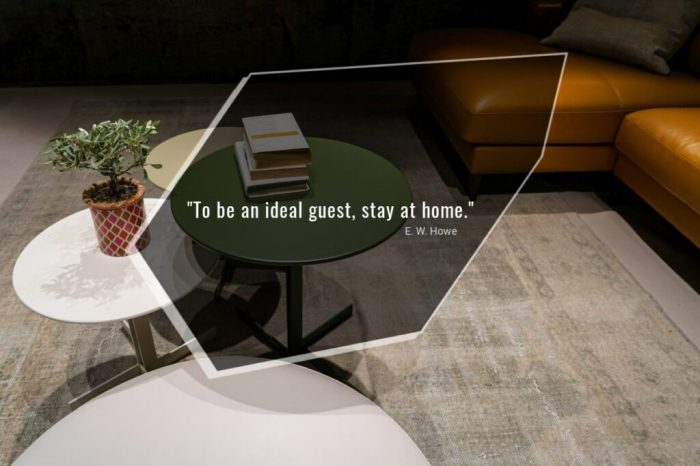
In small spaces, every square foot counts, making the choice of furniture crucial. Space-saving furniture not only maximizes the utility of limited areas but also enhances the aesthetic appeal of your home. By opting for multifunctional pieces, you can create a versatile living environment that meets your needs without compromising style.
Multifunctional Furniture Examples
Multifunctional furniture is a game-changer for small space living. These items serve more than one purpose, making them incredibly valuable in tight areas. For example, a sofa bed can transform your living room into a guest room in seconds. Similarly, a foldable dining table allows you to enjoy meals without taking up permanent space, folding away when not in use.
- Sofa Beds: These versatile pieces of furniture serve as both seating and sleeping areas. Ideal for studio apartments or smaller living rooms, they provide a comfortable spot for guests to rest without needing a dedicated guest room.
- Foldable Tables: Perfect for dining or work, these tables can be easily expanded when needed and tucked away after use. They are especially useful in compact kitchens or dining areas.
- Murphy Beds: These beds fold up into the wall when not in use, freeing up floor space during the day. They are excellent for multifunctional rooms that serve different purposes throughout the day.
Modular Furniture Advantages, Small space home design
Modular furniture boasts adaptability, making it perfect for evolving needs in small spaces. This type of furniture can be rearranged, expanded, or reconfigured to suit various functions. For instance, a modular sofa can be assembled in different formations, accommodating more guests or creating a cozy nook.
- Flexibility: Modular pieces can be adjusted in size and shape, allowing homeowners to customize their layout according to their preferences or current needs.
- Easy to Move: Many modular furniture items are lightweight and easy to transport, making them ideal for renters or those who frequently change their living arrangements.
- Additional Storage: Some modular designs come with built-in storage solutions, optimizing the use of space without compromising on style.
Creative Integrated Storage Solutions
Storage is often a challenge in small spaces, but furniture with integrated storage can provide clever solutions. Pieces that incorporate storage options help minimize clutter while maximizing functionality.
- Ottomans with Compartments: These serve as both seating and hidden storage, perfect for stowing away blankets, books, or other items that can contribute to a tidy living area.
- Storage Benches: Placed at the foot of the bed or in entryways, storage benches offer a spot to sit while also providing ample space to keep shoes, bags, or seasonal items neatly stored away.
- Bed Frames with Drawers: Bed frames that come with built-in drawers take advantage of under-bed space, making them ideal for storing off-season clothing or extra linens without taking up additional room.
Integrating smart furniture solutions into your small space can transform your living experience, creating a harmonious balance between style and practicality.
Color and Lighting Strategies
Creating a sense of space in small homes relies heavily on effective color and lighting strategies. The right color palette can make a room feel larger and more inviting, while thoughtful lighting enhances the overall ambiance. By maximizing natural light and employing various techniques, homeowners can create a more open and airy environment, even in the most compact spaces.
Color Palettes for Expanding Visual Space
Color plays a critical role in the perception of space. Light and airy colors can help small rooms feel more expansive. Opting for a cohesive color scheme that utilizes light hues can unify the space and make it appear larger.
- Soft Whites and Light Grays: These shades reflect light and create an illusion of openness. They serve as a perfect backdrop, allowing furnishings and decorations to stand out without overwhelming the space.
- Pale Blues and Greens: These colors evoke a sense of calm and tranquility while still maintaining a light and airy feel. They are ideal for creating a serene atmosphere in small bedrooms or living areas.
- Accent Walls: A single wall painted in a darker, bolder color can add depth without closing off the space. This technique draws the eye and creates a focal point without overwhelming the entire room.
Enhancing Natural Light with Window Treatments
Natural light is a key element in small space design, as it can make an area feel more open and inviting. Proper window treatments can enhance this effect while providing privacy and style.
- Sheer Curtains: These allow natural light to filter through while providing a degree of privacy. They soften the space and maintain an airy feel.
- Blinds and Shades: Opt for light-colored or reflective materials that can be adjusted to maximize light during the day. Such treatments can be an effective way to control light without obstructing it.
- Layering Techniques: Combining sheer curtains with heavier drapes can create a versatile window treatment that offers both light control and aesthetic appeal, allowing for flexibility depending on the time of day.
Using Mirrors to Create Illusions of Space
Mirrors serve as powerful tools in small space design. They reflect light and views, effectively doubling the visual space and enhancing brightness.
- Placement: Position mirrors opposite windows to capture and reflect natural light. This not only brightens the room but also creates the illusion of depth.
- Size and Scale: Large mirrors can create a dramatic effect and give the impression of a larger area. Smaller mirrors can be clustered in creative arrangements for a stylish look.
- Decorative Mirrors: Choose mirrors with decorative frames that complement your decor style. They can act as art pieces while serving the dual purpose of enhancing light and space.
Zoning Techniques for Small Spaces: Small Space Home Design
Creating distinct zones in small living areas can enhance functionality and style without the need for physical barriers. Zoning refers to the practice of defining different areas within an open-concept space to serve various purposes. Whether it’s separating a living area from a workspace or a dining space from a lounging area, effective zoning can make a small space feel larger and more organized.One of the easiest ways to create zones is by using furniture arrangement and decorative elements.
Thoughtfully placed furniture can act as natural dividers, allowing each area to maintain its own identity while still feeling cohesive with the overall space.
Rug and Furniture Arrangement for Zone Definition
Rugs and strategic furniture placement are key components in demarcating spaces in a small home. By defining areas with appropriate elements, you can create a sense of separation without the need for walls.
- Use area rugs to anchor different zones. For instance, place a soft rug under the coffee table in the living area, while a smaller mat can define the dining space. This visually establishes boundaries.
- Opt for furniture pieces that serve dual purposes. For example, a bookshelf can be positioned to separate a living room from a home office, while also providing storage and display options.
- Place seating in a way that encourages conversation and connection within zones. A sectional sofa can create a distinct living area, while chairs arranged around the dining table foster an inviting atmosphere for meals.
Aesthetically Pleasing Room Dividers
Incorporating lightweight and visually appealing room dividers can further enhance zoning in small spaces. These dividers allow for flexibility in layout and can be easily moved or adjusted as needed.
- Consider folding screens or fabric dividers. These options can be stylish and functional, providing privacy when needed and folding away when not in use.
- Use plants as natural dividers. Tall potted plants or vertical gardens can create a refreshing barrier between zones while adding a touch of greenery to your space.
- Incorporate open shelving as a divider. This not only separates areas but also offers additional storage and display opportunities, allowing light to flow through, maintaining an airy feel.
“Effective zoning transforms a small space into a well-organized and functional home.”
Outdoor Small Space Design
In small homes, outdoor areas like balconies and patios can significantly enhance living space and provide a refreshing escape from indoor environments. With the right strategies and a bit of creativity, these compact areas can be transformed into vibrant outdoor retreats that maximize functionality and aesthetic appeal.One effective approach to optimizing outdoor small spaces is to focus on multifunctional elements and vertical solutions.
Balconies and patios often require careful planning to ensure that every inch is utilized wisely without feeling cluttered. Incorporating vertical gardens and container gardening can make small outdoor areas feel more expansive while also adding greenery. Using lightweight and easily movable outdoor furniture ensures that you can adapt the space for different occasions, from relaxing to entertaining.
Strategies for Balconies and Patios
Maximizing the potential of balconies and patios involves strategic planning. Here are several ideas to effectively utilize these small spaces:
- Furniture Selection: Choose compact, foldable furniture that can be easily stored when not in use. For instance, a small bistro table and chairs can provide dining space without dominating the area.
- Vertical Gardens: Utilize vertical planters or wall-mounted pots to introduce greenery without occupying floor space. This can create a lively atmosphere while maintaining an open feel.
- Railing Gardens: Attach planters to balcony railings, which allows for additional plant display without taking up valuable surface area.
- Outdoor Rugs: Define the area using outdoor rugs that can add color and comfort, making the space feel cozy and inviting.
- Lighting Solutions: Incorporate string lights, lanterns, or LED fixtures that can enhance ambiance while being space-efficient.
Vertical Gardens and Container Gardening
Creating a garden in a limited outdoor space can be both rewarding and space-efficient. Vertical gardens and container gardening are perfect solutions for small outdoor areas. Using vertical gardens allows plants to grow upward rather than outward, conserving ground space. Here are some effective strategies:
- Wall Planters: Utilize wall-mounted planters that can hold a variety of plants, maximizing vertical space and creating a green wall effect.
- Hanging Baskets: Install hooks or brackets to hang baskets filled with flowering plants or herbs, adding color and fragrance while utilizing the air space effectively.
- Stackable Pots: Employ stackable plant pots or tiered plant stands to create a layered garden effect that draws the eye upward.
- Herb Towers: Consider building or purchasing herb towers, which allow for a compact yet productive gardening option for culinary herbs.
Storage Solutions for Outdoor Furniture
To enhance the usability of outdoor spaces, choosing the right furniture is essential. Here are some tips on selecting outdoor furniture that can be easily stored or moved:
- Foldable and Stackable Options: Opt for chairs and tables that can be folded or stacked, allowing for easy storage when not in use or when needing to clear space.
- Lightweight Materials: Use furniture made from lightweight materials, such as aluminum or plastic, which can be easily rearranged or relocated based on your needs.
- Storage Benches: Incorporate benches with built-in storage to keep cushions, gardening tools, or other outdoor items organized and out of sight.
- Rolling Carts: Use rolling carts that can serve multiple functions, such as a bar cart or a plant cart, providing mobility and versatility.
Personalization in Small Spaces
Incorporating personal style into small spaces can be a delightful challenge that allows for creativity and innovation. It’s essential to express your personality without making the area feel cluttered or overwhelming. With a few thoughtful choices in art, decor, and DIY projects, you can create a space that feels uniquely yours while still maintaining harmony.To effectively personalize a small space, it’s crucial to select elements that reflect your style but also serve a purpose.
This balance ensures that the space remains functional while showcasing your taste. Use decor elements that are not only visually appealing but also contribute to the overall design theme.
Incorporating Art and Decor
Art and decor play a significant role in adding character to small spaces. Thoughtfully chosen pieces can make a bold statement while still adhering to the principles of effective small space design. Consider these approaches to enhance your space:
Select statement art
Choose one or two larger pieces of artwork that can serve as focal points. This approach avoids visual clutter from multiple small pieces and provides a cohesive look.
Gallery walls
If you love a variety of art, create a gallery wall with a mix of frames and styles. This technique can add personality without overwhelming the room; just ensure that the colors and themes relate to each other.
Functional decor
Incorporate decor that serves a dual purpose, such as decorative storage boxes or stylish shelving. This not only adds character but also helps maintain organization.
Layered textiles
Use textiles like throws and cushions in varying patterns and textures to introduce warmth and comfort. Choose a consistent color palette to tie everything together.
“Art should be an integral part of your small space, providing depth and a sense of personality without overwhelming the design.”
DIY Projects for Style and Functionality
Engaging in DIY projects can significantly enhance the style and functionality of your small space. Not only do they personalize your home, but they also often save money while being space-efficient. Here are some ideas to consider:
Wall-mounted shelving
Create your own wall shelves using reclaimed wood or affordable materials. This allows you to utilize vertical space while displaying personal items or plants.
Customized furniture
Upcycle thrift store finds by repainting or reupholstering them. A fresh coat of paint or new fabric can breathe new life into ordinary pieces, making them uniquely yours.
Mason jar storage
Use mason jars for organizing small items like office supplies or kitchen utensils. They can be decorated and displayed on shelves, adding both functionality and charm.
Create a feature wall
Paint one wall a bold color or use removable wallpaper to create a striking feature that reflects your personal style. This can make the space feel more dynamic without compromising on square footage.By thoughtfully integrating personal style into your small space, you can create a home that is both functional and a true reflection of who you are. The key lies in balancing aesthetics with practicality, ensuring each piece serves a purpose while enhancing the overall design.
Technology in Small Space Design
The incorporation of technology in small space home design is transforming the way we perceive and utilize limited areas. Smart home technology not only enhances the efficiency of living spaces but also contributes to maximizing their functionality. Integrating tech solutions helps homeowners make the most of their small environments while ensuring convenience and ease of use.Smart home devices can significantly impact the spatial efficiency of small homes.
These innovations allow for streamlined living by automating tasks, controlling lighting, and managing appliances, all of which can be done remotely. The integration of built-in technology solutions can save valuable floor space while enhancing the overall user experience. By using smart devices, residents can optimize their environment without cluttering their space with unnecessary items.
Smart Appliances and Home Automation
Smart appliances are designed to be compact and multifunctional, making them ideal for small spaces. These appliances often feature advanced technology that allows them to perform multiple functions, thus minimizing the need for additional equipment. Below are examples of smart appliances that can fit seamlessly into small living areas:
- Smart Refrigerators: Equipped with touchscreens and Wi-Fi connectivity, these refrigerators can display recipes, track grocery inventories, and even allow users to create shopping lists from their mobile devices.
- Compact Washer-Dryer Units: These all-in-one machines save space by combining washing and drying functions, allowing small space dwellers to maintain laundry within their homes without sacrificing square footage.
- Smart Lighting Systems: Utilizing LED bulbs that can change color and brightness through an app or voice command, these systems enable users to create different moods while conserving energy.
Integrating built-in tech solutions can further enhance convenience and help maximize space. For instance, wall-mounted charging stations and under-counter outlets eliminate the clutter associated with traditional power strips, creating a more organized environment.
Design Apps and Visualization Tools
Planning and visualizing small space designs can be challenging, but various apps and tools make this process more efficient and effective. These resources provide innovative ways to experiment with layouts, materials, and styles without the need for physical alterations. Here are some notable tools:
- Room Planner Apps: Applications like MagicPlan or RoomSketcher enable users to create accurate floor plans and experiment with different furniture layouts, making it easier to visualize changes in real-time.
- Augmented Reality Tools: Using AR technology, apps such as Houzz and IKEA Place allow users to see how furniture and decor will look in their actual space before making a purchase, helping to avoid costly mistakes.
- 3D Modeling Software: Programs like SketchUp provide detailed modeling options that can help users design their spaces comprehensively, allowing for intricate planning of even the smallest areas.
“The best technology for small spaces combines functionality and style, ensuring that even the most compact environments feel larger and more efficient.”
By leveraging these technological advancements, homeowners can transform their small spaces into functional, efficient, and enjoyable living environments. The integration of smart home technology and design applications not only caters to the needs of modern living but also redefines the boundaries of small space design.
Ultimate Conclusion
In summary, small space home design is about innovation and creativity, allowing us to adapt our living environments to fit modern lifestyles. By incorporating smart layouts, multifunctional furniture, and personalized decor, we can cultivate spaces that are not only aesthetically pleasing but also functional and efficient. Embrace the challenge of small space living and discover how it can enhance your everyday life.
Q&A
What are some tips for choosing colors in small spaces?
Opt for lighter colors to create an illusion of more space, and use accent walls to add depth without overwhelming the area.
How can I make a small room feel larger?
Incorporate mirrors to reflect light, use multifunctional furniture, and maintain a clutter-free environment to enhance the sense of space.
What are some affordable storage solutions for small spaces?
Consider vertical shelving, under-bed storage, and furniture with built-in storage options to maximize organization without breaking the bank.
Can plants be used in small spaces?
Absolutely! Use hanging planters, wall-mounted pots, or small container gardens to introduce greenery without sacrificing floor space.
How can I personalize a small space?
Select a few key decorative items, artwork, or personal photos that resonate with you, ensuring they complement the overall design without cluttering the space.