Innovative Home Renovation Concepts
Home renovation ideas – Home renovation is not just about improving aesthetics; it’s about enhancing functionality and sustainability. With the evolving design trends, homeowners are now leaning towards innovative solutions that make their spaces more livable and eco-friendly. This exploration of unique home renovation concepts showcases how creative materials and sustainable practices can transform your home.
Unique Ideas for Enhancing Space Functionality
Creating a functional living space involves utilizing innovative designs that maximize utility without compromising comfort. One remarkable concept is the incorporation of multifunctional furniture, which can significantly enhance space usage. For example, a sofa that converts into a bed can serve both as a seating area during the day and a sleeping space at night, making it ideal for smaller homes or apartments.Another creative idea is the use of built-in storage solutions.




Custom cabinetry that fits snugly into underutilized corners or awkward spaces is both aesthetically pleasing and practical. This can include built-in bookshelves, window seats with storage underneath, or even staircases that feature drawers, cleverly utilizing every inch of the home.
Unexpected Materials in Home Renovations
In recent years, innovative materials have gained popularity in home renovations, allowing for unique aesthetics and enhanced performance. For instance, reclaimed wood has become a sought-after choice for flooring, accent walls, and furniture. Its rustic charm not only adds character but also promotes sustainability by repurposing materials that would otherwise go to waste.Another surprising material gaining traction is concrete, not just for its durability but also for its versatility.
Homeowners are using polished concrete for flooring, countertops, and even decorative elements, offering a modern industrial look that pairs well with various design styles. Furthermore, bamboo is making waves as an eco-friendly alternative to traditional hardwood. Its rapid growth and renewability make it a sustainable choice for flooring, cabinetry, and decor.
Trends in Sustainable Home Renovations
Sustainable renovations are at the forefront of modern home improvement, focusing on reducing environmental impact while enhancing living conditions. Incorporating energy-efficient appliances is a key trend, with items like Energy Star-rated refrigerators and smart thermostats gaining popularity. These appliances not only lower utility bills but also support eco-friendly living.Another significant trend is the use of green roofing systems. These roofs, covered with vegetation, help insulate homes, reduce stormwater runoff, and improve air quality.
Additionally, greywater recycling systems are being integrated into home renovations to maximize water efficiency by reusing water from sinks, showers, and washing machines for irrigation.Incorporating natural light through larger windows or skylights is also a popular sustainable trend. This not only reduces the need for artificial lighting during the day but also creates a brighter and more inviting atmosphere within the home.
“Innovative renovations focus on functionality and sustainability, transforming living spaces into eco-friendly havens.”
Budget-Friendly Renovation Tips
Home renovation can often feel daunting, especially when considering the costs involved. However, there are numerous ways to revamp your living space without breaking the bank. By implementing strategic budget-friendly tips, you can achieve a fresh look and improve functionality while ensuring your expenses remain manageable. Quality renovations do not have to come at exorbitant prices, and every homeowner can find creative solutions tailored to their financial situation.Making smart choices during your renovation process can significantly enhance your home’s value without overspending.
Prioritizing cost-effective updates not only boosts aesthetics but also ensures you receive the best return on investment (ROI) for your efforts. Below are key budget-friendly renovation strategies that can help you maximize your home’s potential while keeping your finances in check.
Strategies for Cost-Effective Home Updates
When planning renovations, focusing on improvements that offer high value for money is crucial. Here are several effective strategies to consider:
- Paint Refresh: A fresh coat of paint can dramatically change the look and feel of any room. Choose popular neutral tones to appeal to a wider audience if you plan to sell.
- Upgrade Fixtures: Swapping out old light fixtures, faucets, and cabinet handles for modern options can refresh your space without major construction.
- Smart Landscaping: Simple landscaping improvements like planting flowers or adding mulch can enhance curb appeal at a low cost.
- Flooring Alternatives: Consider installing laminate or vinyl flooring instead of expensive hardwood to achieve a similar aesthetic for a fraction of the cost.
Renovations Offering Best Return on Investment
Certain renovations are known to yield better ROI than others, making them wise investments for homeowners. Focusing on these areas can lead to significant financial benefits in the long run:
- Kitchen Remodel: Minor kitchen updates, such as new countertops and cabinets, can provide up to 80% ROI, making it the heart of your home.
- Bathroom Renovation: Upgrading fixtures and improving functionality can yield a return as high as 70%, enhancing both comfort and value.
- Energy-Efficient Windows: Replacing old windows not only saves on energy bills but can return about 70% of the investment upon resale.
- Deck Addition: Adding a deck or patio can add around 65%-70% ROI and extends living space for outdoor enjoyment.
Affordable DIY Projects for Home Improvement
Taking on DIY projects allows homeowners to save on labor costs while enjoying the satisfaction of personal involvement in home improvements. Here’s a list of accessible projects that can be executed on a budget:
- Accent Walls: Use wallpaper or paint to create an accent wall, infusing character into a room.
- Simple Repairs: Fixing leaky faucets or squeaky doors can enhance home performance and efficiency.
- Furniture Upcycling: Revitalize old furniture with paint or new upholstery for a modern look at minimal expense.
- Decluttering and Organization: Reorganizing spaces using storage solutions can improve functionality and aesthetics without cost.
“Investing in your home doesn’t always mean spending a fortune; with the right strategies, you can achieve great results and enhance your living space affordably.”
Renovation for Different Spaces
Renovating different spaces in your home requires tailored approaches to maximize both functionality and aesthetics. Each area, whether it be a kitchen, bathroom, or living room, has unique requirements and opportunities for improvement. This section will delve into specific renovation ideas for these key spaces along with techniques to enhance small areas and create open-concept designs in traditional homes.
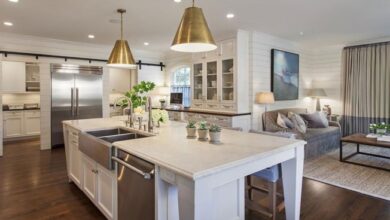
Kitchen Renovation Ideas
Revamping your kitchen can significantly increase both its usability and the overall value of your home. Consider these ideas to breathe new life into your kitchen space:
- Smart Storage Solutions: Incorporate pull-out shelves, corner cabinets with lazy Susans, and vertical storage to maximize cabinet space.
- Open Shelving: Replace upper cabinets with open shelves for a modern look and easy access to dishes.
- Bold Backsplash: Use colorful tiles or unique materials like glass or metal to add character and style.
- Energy-Efficient Appliances: Upgrade to newer models that save energy while providing modern conveniences.
- Multipurpose Islands: Design an island that serves as both a cooking area and a casual dining space.
Bathroom Renovation Ideas
A bathroom remodel can transform a mundane space into a personal oasis. Here are some effective renovation strategies:
- Walk-In Showers: Replace your traditional tub with a spacious walk-in shower featuring glass doors for a sleek appearance.
- Floating Vanities: Install floating vanities to create the illusion of more floor space and a modern look.
- Lighting Layers: Use a combination of ambient, task, and accent lighting to create a warm and inviting atmosphere.
- Heated Floors: Consider installing radiant heating for comfort during colder months.
- Use of Mirrors: Large mirrors can enhance light and make the space feel larger.
Living Room Renovation Ideas
The living room is often the heart of the home, where comfort and style come together. Here are renovation ideas to enhance this space:
- Feature Walls: Create a statement wall with wallpaper, paint, or wood paneling to add depth and interest.
- Flexible Seating: Use modular furniture that can be rearranged to accommodate gatherings or intimate settings.
- Built-In Bookcases: Incorporate built-in shelves to display books and decor while maximizing wall space.
- Natural Light: Maximize natural light by using large windows or skylights to create a bright and airy feel.
- Diverse Textures: Mix materials such as wood, metal, and textiles to create an inviting and layered look.
Maximizing Small Spaces
Even small spaces can be transformed into functional and stylish environments through clever renovations. Key strategies include:
- Multipurpose Furniture: Select furniture pieces that serve dual purposes, such as a sofa bed or a coffee table with storage.
- Vertical Solutions: Utilize wall space for hanging storage and shelves to draw the eye upward, making the space feel larger.
- Color Choices: Light colors tend to open up a room, while mirrors can create an illusion of depth.
- Furniture Arrangement: Opt for an open layout that avoids blocking pathways and creates a flow throughout the space.
Creating Open-Concept Designs in Traditional Homes
For those looking to modernize traditional homes, open-concept designs can foster connection and light. Techniques to achieve this include:
- Removing Non-Load Bearing Walls: Knock down walls that separate the kitchen, dining, and living areas to create a seamless flow.
- Utilizing Architectural Features: Maintain visual interest with archways or exposed beams that define spaces without closing them off.
- Consistent Flooring: Use the same flooring material throughout the connected spaces to create unity and openness.
- Strategic Lighting: Implement pendant lights or chandeliers to delineate areas while providing adequate illumination.
- Color Continuity: Use a cohesive color palette throughout the open areas to visually unify the space.
Style Inspirations for Home Renovations: Home Renovation Ideas
When it comes to home renovations, choosing the right style can set the tone for the entire space. Whether you lean towards contemporary lines or the warmth of traditional aesthetics, there’s a world of inspiration waiting to transform your home. In this section, we will explore various design styles, captivating color schemes, and the art of blending different aesthetics to create a cohesive look that reflects your personality.
Modern, Rustic, and Industrial Design Styles
Each design style brings its unique flair to home renovations. Below is an overview of three popular styles that can significantly influence your renovation choices:
- Modern: Characterized by clean lines, open spaces, and minimalistic décor, modern design focuses on functionality while maintaining aesthetic appeal. Think sleek furniture, large windows, and a neutral color palette enhanced with bold accents.
- Rustic: This style evokes a cozy, homey feel, often incorporating natural materials like wood and stone. Rustic designs might feature exposed beams, vintage furnishings, and a warm color palette that includes earthy tones and soft pastels.
- Industrial: Inspired by warehouses and factories, industrial style showcases raw materials and a utilitarian approach. Expect to see elements like metal pipes, reclaimed wood, and an overall unrefined finish that adds character to the space.
Gallery of Invigorating Color Schemes
Color plays a vital role in establishing the mood and energy of a home. Here are a few invigorating color schemes that can breathe life into your interiors:
- Bright White and Bold Blue: A fresh white backdrop combined with vibrant blue accents creates a clean, refreshing look that invites tranquility.
- Earthy Greens and Terracotta: These colors bring nature indoors, fostering a sense of calm and connection with the environment.
- Modern Neutrals with Pops of Yellow: A neutral base of grays and beiges paired with bright yellow highlights can energize a space while maintaining a sophisticated vibe.
- Muted Pinks and Deep Charcoals: This combination offers a contemporary twist, balancing softness with strength for a chic aesthetic.
Seamlessly Blending Different Styles
Blending various design styles can yield stunning results when done thoughtfully. Here are some tips for achieving a harmonious fusion:
- Identify a unifying element, such as color or texture, that can connect different styles. For example, using a common color palette can help bridge modern and rustic elements.
- Mix materials deliberately. Pairing metals from industrial design with the wood tones of rustic style can create an interesting yet cohesive aspect.
- Consider scale and proportion; combining oversized furniture with delicate accents can create a dynamic visual contrast.
- Encourage a flow between spaces by using similar motifs or patterns in textiles and accessories, ensuring that each area feels like part of a greater whole.
Successfully blending styles requires balance and careful consideration, but the result can be a uniquely personal space that reflects diverse influences.
Renovation Planning and Execution

Source: conservationconstruction.com
Creating a comprehensive home renovation plan is crucial for ensuring a smooth and successful project. Whether it’s a minor makeover or a major overhaul, having a well-structured plan helps you stay organized, budget effectively, and manage timelines efficiently. This segment delves into the essential steps involved in planning your renovation, Artikels a typical project timeline, and discusses the benefits of hiring professional help compared to embracing a DIY approach.
Steps for Creating a Comprehensive Renovation Plan
A solid renovation plan involves several stages that guide you through the process, helping to ensure nothing gets overlooked. Here are the key steps to consider:
- Define Your Goals: Clarify what you want to achieve with your renovation. Are you increasing space, enhancing aesthetics, or improving functionality?
- Set a Budget: Determine how much you can afford to spend. Include costs for materials, labor, permits, and unexpected expenses.
- Research and Gather Inspiration: Explore design ideas through magazines, websites, and social media. Create a mood board to visualize your style.
- Hire Professionals if Necessary: Depending on the complexity, consider hiring architects, designers, or contractors. Ensure they have good references and experience.
- Create a Detailed Timeline: Artikel when each phase of the renovation will take place, from demolition to final touches.
- Obtain Necessary Permits: Check local regulations to see if your renovation requires permits, and apply for them in advance to avoid delays.
- Prepare Your Home: Clear the work area and make necessary arrangements for living in, or around, the renovation zone.
Typical Timeline for a Home Renovation Project, Home renovation ideas
A typical home renovation project can take anywhere from a few weeks to several months, depending on its scope. Here’s a general timeline of phases involved:
| Phase | Duration |
|---|---|
| Planning and Design | 2-4 weeks |
| Permits and Approvals | 1-4 weeks |
| Demolition and Preparation | 1-3 weeks |
| Construction and Renovation Work | 4-12 weeks |
| Final Inspections and Touch-ups | 1-2 weeks |
| Total Timeframe | 8-25 weeks |
This timeline provides an overview, though actual durations may vary based on project specifics, availability of materials, and contractor schedules.
Benefits of Hiring Professional Help Versus DIY
Deciding between professional help and a DIY approach for renovations can significantly influence the outcome of your project. Here are some important considerations for each:
- Expertise and Experience: Professionals have the training and experience to tackle complex tasks, reducing the likelihood of mistakes.
- Time Efficiency: Hiring experts can speed up the process, as they are accustomed to working on renovations and can handle tasks more swiftly.
- Quality of Work: Professionals often deliver a higher quality finish due to their skills and access to better tools and materials.
- DIY Cost Savings: Taking the DIY route can save money on labor costs, but it may require significant time and effort.
- Learning Opportunity: DIY can be a rewarding experience, providing valuable skills and a sense of accomplishment upon completion.
- Stress and Pressure: Professional help can alleviate stress from managing the renovation, allowing homeowners to focus on other priorities.
In summary, while DIY can be fulfilling and budget-friendly, hiring professionals often ensures a smoother renovation process and a professionally finished product.
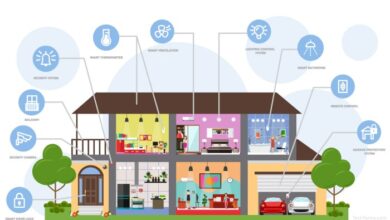
Smart Home Integration during Renovation
Incorporating smart home technology into your renovation plans can significantly enhance both the functionality and value of your home. As technology continues to evolve, creating a living space that can adapt to modern advancements is essential. By integrating smart solutions, homeowners can not only improve their day-to-day convenience but also ensure that their homes remain competitive in the real estate market.One of the primary benefits of smart home integration is the potential for energy efficiency, which leads to reduced utility bills and a smaller carbon footprint.
Smart devices can automate tasks, allowing for more efficient usage of resources. Additionally, these technologies provide enhanced security, increased comfort, and the ability to manage your home remotely, making them an attractive option for many homeowners.
Smart Devices for Enhanced Home Functionality
When considering smart home integration, it’s important to explore various devices that can enhance your home’s functionality. The following devices are exemplary of how smart technology can contribute to a more efficient and comfortable living environment:
- Smart Thermostats: Devices like the Nest Learning Thermostat adapt to your schedule, optimizing heating and cooling cycles, which can result in significant energy savings.
- Smart Lighting: Systems such as Philips Hue allow for customizable lighting settings that can be controlled remotely, providing ambiance and security, as well as energy efficiency through automated schedules.
- Smart Security Cameras: Devices like Ring or Arlo offer real-time video feeds and alerts, enhancing home security with features like motion detection and two-way audio.
- Smart Locks: Keyless entry systems such as August Smart Lock grant you the ability to lock and unlock your doors remotely, making home access convenient and secure.
- Smart Speakers: Devices like Amazon Echo or Google Nest can control other smart devices, play music, provide weather updates, and answer queries, serving as a central hub for home automation.
The integration of these devices not only improves convenience but also adds a level of sophistication to your home.
Designing for Future Smart Upgrades
Designing your home for future smart upgrades involves careful planning to ensure compatibility and flexibility. When renovating, consider the following aspects:
- Wiring and Connectivity: Ensure your home has sufficient wiring and internet access points. Cat6 cables and a robust Wi-Fi network can accommodate a variety of smart devices.
- Device Compatibility: Choose devices that work with popular smart home platforms such as Amazon Alexa, Google Assistant, or Apple HomeKit for easier integration.
- Layout Considerations: Create open spaces that allow for easy installation of smart devices. Think about placing outlets and switches in accessible locations for smart devices.
- Home Automation Systems: Consider implementing a central automation system that can control various aspects of your home, making future upgrades simpler.
- Scalability: Design with future expansion in mind. Choose devices that can be easily upgraded or added to as new technologies emerge.
By considering these factors during the renovation process, homeowners can create a smart home that is not only functional today but adaptable for the future.
“Smart technology empowers homeowners to create an environment tailored to their lifestyle, offering convenience, efficiency, and enhanced security.”
Outdoor Renovation Ideas

Source: conservationconstructionofhouston.com
Creating inviting outdoor living spaces can elevate your home’s appeal and functionality. Whether it’s for entertaining guests, enjoying family time, or simply relaxing after a long day, thoughtful renovations can transform your exterior into a welcoming oasis. Enhancing curb appeal and integrating outdoor lighting are key elements that can make a significant difference in how your home is perceived from the street and in how you experience your outdoor areas.
Enhancing Outdoor Living Spaces
Outdoor living areas can be greatly improved through innovative renovation projects. Here are some ideas that can transform your backyard, patio, or garden into a delightful extension of your home:
- Deck or Patio Installation: Adding a deck or patio provides a designated space for gatherings or relaxation. Materials such as composite decking or natural stone can enhance both durability and aesthetic appeal.
- Outdoor Kitchen: Incorporating an outdoor kitchen with essential appliances like a grill, sink, and refrigerator can make cooking and entertaining outdoors more enjoyable.
- Fire Pit or Fireplace: Installing a fire pit or outdoor fireplace can create a cozy atmosphere for evening gatherings, adding warmth and ambiance to your outdoor space.
- Garden Features: Adding raised garden beds or vertical gardens not only enhances beauty but can also serve as a functional space for growing herbs and vegetables.
Improving Curb Appeal
Curb appeal plays a vital role in the overall perception of your home. Enhancements to landscaping and exterior features can significantly uplift the first impression. Consider the following updates:
- Fresh Landscaping: Planting colorful flowers, maintaining a well-trimmed lawn, and adding decorative shrubs can create an inviting look. Native plants tend to require less maintenance and work well with local conditions.
- Exterior Paint or Siding: A fresh coat of paint or new siding can drastically change the look of your home. Opt for colors that complement the surrounding landscape and fit the architectural style.
- Walkway and Driveway Improvements: Upgrading your driveway with pavers or decorative concrete can enhance the visual appeal. Similarly, creating a beautiful pathway can guide visitors to your entrance.
- Window Boxes: Installing window boxes filled with vibrant flowers can add charm and character to your home’s exterior.
Importance of Outdoor Lighting
Outdoor lighting is essential for safety, security, and creating ambiance in your outdoor spaces. Thoughtful lighting can highlight architectural features and improve usability after dark. Key considerations include:
- Pathway Lighting: Installing lights along walkways ensures safe passage and enhances visibility during the evening hours.
- Accent Lighting: Focused lights can showcase landscaping features, such as trees or garden sculptures, creating visual interest after sunset.
- Security Lighting: Utilizing motion-sensor lights can enhance safety and deter unwanted visitors.
- String Lights or Lanterns: For a cozy atmosphere, string lights or decorative lanterns can provide soft illumination, making outdoor gatherings more inviting.
“Outdoor renovations not only enhance living spaces but also improve the overall value and appeal of your home.”
Common Renovation Mistakes to Avoid
Source: metadigs.com
Home renovations can be a thrilling yet daunting endeavor, with plenty of opportunities for creativity and improvement. However, many homeowners encounter common pitfalls that can derail their plans and budgets. Recognizing these mistakes is the first step toward a successful renovation project.One prevalent issue in home renovations is mismanagement of the budget, which can lead to overspending and financial strain.
To prevent this, it’s crucial to set a realistic budget upfront and account for unexpected costs. This often means including a contingency fund of around 10-20% of the total budget to cover surprises that may arise during construction.
Frequent Pitfalls in Home Renovation Projects
Understanding the common mistakes that occur in renovation projects can save time, money, and frustration. Below are key pitfalls to be aware of:
- Lack of Planning: Jumping into renovations without a detailed plan can lead to chaotic projects. Take time to Artikel your vision, timelines, and necessary resources.
- Ignoring Building Codes: Skipping the necessary permits and regulations can result in legal issues and costly fines. Always verify what’s required in your area before starting work.
- Underestimating Costs: Many homeowners fail to accurately estimate the total costs, leading to budget overruns. Always consider labor, materials, and hidden fees.
- Choosing Trends Over Timelessness: Focusing too much on current trends can lead to aesthetics that may not stand the test of time. Opt for classic designs that maintain value.
- Neglecting Professional Help: Some homeowners try to do too much themselves. Hiring professionals for complex tasks can prevent costly mistakes and ensure quality work.
Preventing Budget Overruns During Renovations
Budget overruns are a common concern that can be mitigated with proper planning and foresight. Below are effective strategies to maintain control of your renovation budget:
- Detailed Budgeting: Create a comprehensive budget that includes every aspect of the renovation, from materials to labor and hidden costs.
- Contingency Fund: Set aside 10-20% of the budget as a buffer for unexpected expenses that may arise throughout the project.
- Regular Monitoring: Keep track of expenses as they occur to avoid surprises at the end. Regularly compare actual spending to your budgeted amounts.
- Prioritize Needs vs. Wants: Differentiate between essential renovations and upgrades you merely desire. This will help in making informed spending decisions.
Importance of Proper Permits and Regulations in Home Renovations
Obtaining proper permits and adhering to local regulations is crucial in home renovations. Not only does this process ensure safety and compliance, but it also protects your investment.
- Safety Assurance: Permits ensure that the work meets safety standards, reducing risks of accidents and future liabilities.
- Value Retention: Homes that have undergone renovations without permits might lose value during resale. Potential buyers may be wary of unpermitted work.
- Legal Compliance: Following local regulations helps avoid fines and legal issues that can arise from performing unauthorized work.
- Professional Guidance: Engaging with contractors who are familiar with local requirements can streamline the permitting process and ensure all work is compliant.
Summary
In summary, embarking on a home renovation adventure is not just about making changes; it’s about creating a space that resonates with your lifestyle and preferences. By considering innovative ideas, practical tips, and stylish inspirations, you can transform your home into a sanctuary that truly feels like yours. So roll up your sleeves, gather your inspiration, and start turning those renovation dreams into reality.
FAQs
What are the most cost-effective renovation projects?
Projects like painting, updating fixtures, and landscaping can yield high returns without extensive investment.
How can I maximize space in a small kitchen?
Consider open shelving, multi-functional furniture, and light color palettes to create an airy feel.
Are DIY renovations advisable for beginners?
Many DIY projects are suitable for beginners, but it’s essential to know your limits and seek help when needed.
What permits might I need for home renovations?
It varies by location and project; always check local regulations regarding permits before starting renovations.
How do I choose the right style for my renovation?
Consider your personal taste, the existing architecture, and what will complement your home’s character.