Luxury Home Design Elements
Luxury home design is characterized by an exquisite blend of aesthetics, functionality, and high-quality craftsmanship. The ambition behind such design is to create spaces that not only look stunning but also offer elevated comfort and convenience. It is about understanding the intricate details that lead to a remarkable living experience, showcasing individuality and sophistication.At the heart of luxury home design are several essential elements that collectively define its essence.
These elements encompass a range of materials, textures, colors, and lighting choices that come together harmoniously. Each component plays a vital role in creating an atmosphere of elegance and refinement.





Essential Elements of Luxury Home Design
An understanding of the key components that make up luxury home design is crucial for achieving the desired aesthetic. The following list Artikels the primary elements that define these sophisticated spaces:
- High-Quality Materials: The use of premium materials is paramount in luxury home design. This includes natural stones like marble and granite, hardwoods, and high-end textiles such as silk and cashmere. These materials not only enhance visual appeal but also contribute to the overall durability and longevity of the home.
- Open Spaces: A hallmark of luxury design is the creation of open floor plans that encourage fluidity and connectivity between different areas of the home. This design choice often incorporates large windows and glass doors to facilitate natural light and outdoor views.
- Custom Furnishings: Tailored furniture pieces add a unique touch to luxury interiors. These custom-made items often reflect the homeowner’s personal style and preferences, ensuring that every aspect of the design is cohesive and exclusive.
- Artful Accents: Luxury homes often feature art pieces or unique decor that serve as focal points within the space. These accents can include sculptures, paintings, or bespoke installations that elevate the overall ambiance.
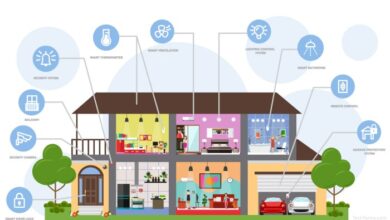
- Smart Home Technology: Incorporating advanced technology enhances both comfort and security in luxury homes. Automated systems for lighting, temperature control, and home security provide convenience while reflecting a modern lifestyle.
Materials Commonly Used in Luxury Home Interiors, Luxury home design
The selection of materials is foundational to luxury home design, influencing both the aesthetic and tactile experience of the space. High-end materials are meticulously chosen for their beauty and durability. Some commonly used materials include:
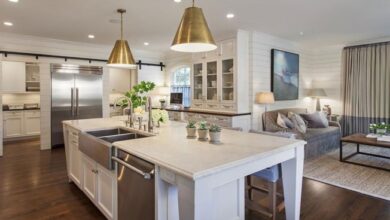
- Natural Stone: Materials like marble, limestone, and granite are frequently used for countertops, flooring, and wall features due to their timeless elegance and resilience.
- Exotic Wood: Species such as teak, mahogany, and walnut are favored for cabinetry, flooring, and custom furniture, offering rich textures and warm tones.
- Glass: High-quality glass is essential for creating spaciousness and light. It is used in windows, doors, and railings, often treated for insulation and safety.
- Luxury Fabrics: Soft furnishings in fabrics like silk, velvet, and high-thread-count cotton create a sumptuous feel, enhancing comfort while adding visual interest.
- Metals: Elements such as brass, bronze, and stainless steel are used in fixtures and accents, providing a contemporary touch and durability.
The Role of Lighting in Luxury Design Aesthetics
Lighting is a crucial aspect of luxury home design that can dramatically influence the mood and character of a space. Thoughtfully curated lighting not only illuminates areas effectively but also adds layers of depth and warmth.Different types of lighting elements employed include:
- Chandeliers: Statement chandeliers crafted from crystal or designer materials serve as focal points in dining rooms and entryways, adding sophistication.
- Recessed Lighting: This subtle form of illumination enhances architectural features without overpowering the overall design. It is often used to highlight artwork or unique structural elements.
- Accent Lighting: Strategically placed lamps and sconces provide task lighting while creating cozy nooks throughout the home, emphasizing elegance and comfort.
- Natural Light: Maximizing natural light through large windows and skylights not only improves energy efficiency but also creates a serene and inviting atmosphere.
- Dimmers: Incorporating dimmers allows homeowners to adjust lighting levels according to mood or occasion, enhancing the versatility of the space.
“Lighting is not just about brightness; it’s about crafting the right atmosphere for every moment.”
Architectural Styles in Luxury Homes
Luxury homes are often characterized by their unique architectural styles, which reflect the aesthetic preferences and cultural influences of their time. From sleek modern designs to ornate traditional styles, the architecture of luxury residences plays a pivotal role in defining their opulence and exclusivity. Understanding these styles allows one to appreciate the artistry and innovation that goes into creating spaces that are not only functional but also visually stunning.
Modern Luxury Home Designs
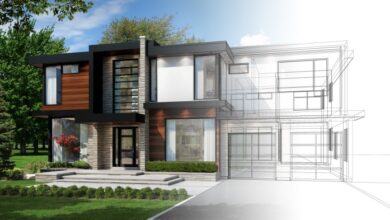
Modern luxury homes emphasize clean lines, open spaces, and a connection to nature. Large windows and open floor plans are hallmarks of this style, allowing natural light to flow through the home and creating a sense of spaciousness. The integration of technology is also a key aspect, with smart home systems and energy-efficient features becoming standard in contemporary luxury living.
Key elements of modern luxury home designs include:
- Minimalistic aesthetics with an emphasis on functionality
- Use of sustainable materials, like reclaimed wood and eco-friendly finishes
- Integration of outdoor living spaces, such as terraces and patios, that blur the lines between indoor and outdoor environments
- High ceilings and expansive glass walls that enhance natural light and views
An iconic example of modern luxury architecture is the Glass House by Philip Johnson, which showcases the seamless merging of indoor and outdoor spaces through extensive use of glass.
Traditional Luxury Home Designs
In contrast, traditional luxury homes often draw inspiration from historical styles, featuring intricate details and classic elements that exude timeless elegance. These homes typically utilize brick or stone exteriors and incorporate decorative moldings, archways, and grand staircases, reflecting a sense of permanence and sophistication.
Characteristics of traditional luxury home designs include:
- Rich materials such as hardwood flooring, marble countertops, and ornate fixtures
- Symmetrical facades and classic rooflines, often seen in Colonial or Georgian styles
- Formal layouts with distinct living areas, such as dining rooms and libraries, enhancing the sense of grandeur
- Detail-oriented craftsmanship, exemplified in custom millwork and handcrafted elements
A prime illustration of traditional luxury is the Biltmore Estate in Asheville, North Carolina, which embodies the grandeur of the Châteauesque style with its opulent interiors and stunning gardens.
Iconic Architectural Features in Luxury Homes
Luxury homes often incorporate distinctive architectural features that not only enhance their beauty but also reflect the lifestyle of their inhabitants. These features can range from grand entryways to bespoke finishes, and they play a crucial role in creating memorable impressions.
Prominent architectural features found in luxury homes include:
- Grand staircases, often designed as focal points with intricate banisters and high ceilings
- Custom-designed windows and doors that enhance architectural integrity while maximizing views
- Outdoor amenities such as infinity pools and elaborate landscaping that extend living spaces outside
- Unique ceiling designs, such as coffered or vaulted ceilings, that add depth and character to rooms
These features not only contribute to the overall aesthetic appeal but also elevate the functionality of luxury living, exemplified by the stunning outdoor terraces seen in many high-end properties in coastal locations.
Outdoor Spaces in Luxury Design: Luxury Home Design
Source: mondoro.com
Creating an exceptional outdoor space is essential in luxury home design, as it expands the living area beyond the walls of the home and enhances the overall lifestyle of the residents. A well-designed outdoor environment not only boosts curb appeal but also provides a serene retreat for relaxation and entertainment. Landscaping plays a pivotal role in harmonizing nature with architecture, helping to create an inviting atmosphere that reflects the homeowner’s personal style.Landscaping in luxury homes is not merely about aesthetics; it involves meticulous planning and execution to ensure that every element complements the home’s architectural style while enhancing the property’s value.
Thoughtful landscaping can transform an ordinary outdoor area into a stunning oasis, complete with lush greenery, colorful flower beds, and meticulously curated hardscapes.
Importance of Landscaping in Luxury Home Design
The significance of landscaping in luxury home design cannot be overstated. A well-designed landscape creates a seamless transition between indoor and outdoor spaces, promoting a sense of unity and coherence. Here are some key benefits of incorporating landscaping into luxury home design:
- Enhances Property Value: Quality landscaping can significantly increase the market value of a home, making it a worthwhile investment.
- Creates Outdoor Living Spaces: Thoughtfully landscaped areas provide functional outdoor spaces for gatherings, dining, and leisure activities.
- Boosts Aesthetic Appeal: Beautifully arranged plants, trees, and hardscapes create a visually stunning environment that is pleasing to the eye.
- Promotes Relaxation: An inviting outdoor space can serve as a personal sanctuary, offering a tranquil environment for unwinding.
- Supports Sustainability: Landscape design can incorporate native plants and sustainable practices, contributing to environmental conservation.
Outdoor Amenities that Enhance Luxury Living
Integrating various outdoor amenities can elevate the luxury experience and cater to diverse lifestyles. The following amenities are essential in creating an opulent outdoor retreat:
- Swimming Pools: A luxurious pool, whether infinity-edge or lap-style, adds a touch of elegance and relaxation to any backyard.
- Outdoor Kitchens: Equipped with high-end appliances, outdoor kitchens make al fresco dining effortless and enjoyable.
- Fire Pits or Fireplaces: These elements create a cozy atmosphere, perfect for gatherings and cool evenings.
- Custom Water Features: Fountains, ponds, or waterfalls can add tranquility and visual interest to the landscape.
- Luxury Seating Areas: Comfortable and stylish furniture encourages relaxation and enjoyment of the outdoor space.
- Landscaped Gardens: Well-maintained flower beds, herb gardens, or vegetable patches enhance the beauty and utility of outdoor areas.
- Lighting: Strategically placed outdoor lighting enhances safety while highlighting the beauty of landscaping at night.
Guide for Designing Luxurious Patios and Gardens
Designing luxurious patios and gardens requires a combination of creativity, functionality, and attention to detail. Here’s a guide to help create stunning outdoor spaces:
1. Define the Purpose
Determine how the space will be used—whether for entertaining, relaxation, or gardening—to inform design choices.
2. Select Quality Materials
Utilize high-quality materials such as natural stone, teak wood, or composite decking to ensure durability and aesthetic appeal.
3. Incorporate Natural Elements
Integrate trees, shrubs, and flowers to create a harmonious environment that blends with the surrounding landscape.
4. Plan the Layout
Create a balanced layout that encourages flow and accessibility, ensuring that pathways are clear and inviting.
5. Add Comfort Features
Include shaded areas with pergolas or awnings, and incorporate soft furnishings to enhance comfort.
6. Implement Smart Technology
Consider integrating smart irrigation systems and outdoor lighting controls for added convenience and efficiency.
7. Personalize with Decor
Choose outdoor art, sculptures, or unique planters that reflect personal style and add character to the space.By focusing on these aspects, homeowners can create outdoor spaces that not only enhance their luxury living experience but also provide a personal retreat for relaxation and enjoyment.
Interior Design Trends for Luxury Homes
Current interior design trends in luxury homes reflect a blend of sophistication, comfort, and an emphasis on individuality. Today’s luxury design goes beyond mere aesthetics; it focuses on creating spaces that embody a lifestyle characterized by elegance and personalization. Elements such as sustainability, technology integration, and unique material choices are at the forefront, offering homeowners a luxurious yet functional environment.
Current Trends in Luxury Interior Design
The landscape of luxury interior design is continually evolving, with several key trends shaping the way high-end homes are curated. Below are some prominent trends that define luxury interiors today:
- Sustainable Materials: The use of eco-friendly materials is gaining traction. Designers are opting for reclaimed wood, recycled metals, and natural stone to create luxurious yet sustainable environments.
- Biophilic Design: Integrating nature into interiors through large windows, indoor plants, and natural light enhances well-being and luxury ambiance. This design trend creates a seamless connection between the indoors and outdoors.
- Bold Color Palettes: Rich, saturated colors are being embraced to evoke strong emotions and create drama within spaces. Deep jewel tones and earthy hues are popular choices for accent walls and furnishings.
- Customized Furniture: Bespoke furniture pieces tailored to the homeowner’s preferences and style are essential to luxury interiors. Unique shapes, high-quality fabrics, and artisanal craftsmanship make a statement.
- Artisanal Accents: Incorporating handcrafted items, such as pottery, textiles, and sculptures, adds a personal touch and elevates the luxury aesthetic, showcasing the owner’s taste and exclusivity.
Impact of Color Palettes on Luxury Home Ambiance
Color palettes play a crucial role in establishing the ambiance of luxury homes. They can influence mood, evoke feelings, and create a sense of harmony or contrast within the space. When chosen thoughtfully, colors enhance architectural features and elevate the overall aesthetic.
- Influence of Warm Tones: Warm colors like gold, terracotta, and soft beige create inviting and cozy atmospheres, perfect for living areas where relaxation is key.
- Cool Color Schemes: Shades of blue, green, and grey can instill a sense of calm and tranquility, making them ideal for bedrooms and spa-like bathrooms.
- Neutral Bases: Neutral color bases provide versatility, allowing for the introduction of vibrant accent colors through decor, artwork, or textiles, thus maintaining a luxurious feel without overwhelming the senses.
- Color Psychology: Understanding the psychological effects of color helps to craft spaces that align with desired emotions and functions, enhancing the overall luxury experience.
Furniture Choices Complementing Luxury Aesthetics
Selecting the right furniture is imperative in achieving a refined luxury aesthetic. High-quality materials, innovative designs, and timeless styles are essential characteristics that set luxury furniture apart.
- Statement Pieces: Iconic furniture items that serve as focal points, such as a designer sofa or a unique coffee table, elevate the room’s luxury quotient.
- Ergonomics and Comfort: Luxury furniture prioritizes comfort without sacrificing style, featuring ergonomic designs that support the body while enhancing visual appeal.
- Layering Textures: Combining various materials, such as velvet, leather, and wood, creates depth and interest in the space, contributing to a luxurious atmosphere.
- Modular Designs: Customizable furniture that adapts to the homeowner’s lifestyle promotes a flexible living environment, essential for modern luxury homes.
Smart Home Features in Luxury Designs

Source: modernize.com
In today’s luxury homes, smart home technology has become an essential element that not only enhances convenience but also elevates the overall living experience. These innovations are designed to integrate seamlessly into the architectural and interior design, creating a sophisticated yet functional environment. From automated lighting to state-of-the-art security systems, smart features are redefining luxury living.The advent of home automation has made it possible for homeowners to control various aspects of their residences with ease.
This integration provides not only convenience but also energy efficiency and security. With the right systems in place, homeowners can manage lighting, climate, entertainment, and security all from a centralized interface. Such control not only enhances comfort but also adds to the opulence of luxury living, streamlining everyday routines and enhancing the overall quality of life.
Innovative Smart Home Technologies for Luxury Residences
Several cutting-edge technologies are becoming standard in luxury homes, providing a blend of functionality and elegance. The following smart features are pivotal in modern luxury designs:
- Smart Lighting Systems: These systems allow homeowners to control the brightness and color of lights remotely or set schedules. Advanced options include mood lighting that adjusts based on the time of day or activities.
- Automated Climate Control: Smart thermostats learn the homeowner’s preferences and adjust heating and cooling systems accordingly, ensuring comfort while optimizing energy usage.
- Voice-Controlled Assistants: Integration with devices like Amazon Alexa or Google Assistant enables hands-free control of various smart home features, enhancing user convenience.
- Smart Appliances: Luxury kitchens now include appliances that can be controlled remotely, providing features like recipe assistance or automatic cooking processes.
- Home Theater Systems: Automated home entertainment setups allow for seamless transitions from relaxation to entertainment mode with just a voice command or a touch on a screen.
Enhancing Luxury Living Experiences through Automation
Automation plays a crucial role in enhancing the luxury living experience. By providing homeowners with control over their environment, automation can significantly increase comfort and efficiency. The integration of smart features allows for personalized settings that cater to individual lifestyles.For instance, automated window treatments can adjust to the time of day, ensuring privacy while enhancing natural light during the day.
Similarly, smart irrigation systems in outdoor spaces ensure that gardens remain lush with minimal effort from the homeowner.
“Smart home technology not only makes life easier but also contributes to a sustainable lifestyle by optimizing energy usage.”
Integrating Security Systems within Luxury Designs
Security is a paramount concern in luxury residences, and integrating advanced security systems is essential for protecting valuable assets and ensuring peace of mind. Modern luxury homes often feature state-of-the-art surveillance systems and automated locking mechanisms that provide superior protection.Key components of luxury security systems include:
- Surveillance Cameras: High-definition cameras with remote viewing capabilities offer real-time monitoring and recording of the property, accessible from anywhere.
- Smart Locks: These provide keyless entry and the ability to grant access remotely, perfect for welcoming guests while away from home.
- Alarm Systems: Integrated alarms can alert homeowners and monitoring services instantly in case of unauthorized access.
- Motion Sensors: Smart motion detectors can differentiate between pets and humans, reducing false alarms while ensuring comprehensive security.
- Home Automation Integration: When paired with other smart home features, security systems can automatically lock doors and activate alarms when homeowners leave the property.
Incorporating these systems into luxury home designs not only enhances security but also reflects the sophistication and technological advancement that defines modern luxury living. Through smart technology, homeowners are empowered to create a safe, comfortable, and efficient home environment that aligns with their lifestyle.
Sustainable Luxury Home Design
Sustainable luxury home design merges opulence with environmental consciousness, creating spaces that not only exude elegance but also minimize their ecological footprint. As more homeowners become aware of climate change and resource scarcity, the demand for sustainable solutions in the luxury segment has significantly increased. This approach prioritizes eco-friendly materials, energy efficiency, and innovative technologies, resulting in homes that are both beautiful and responsible.
Concept of Sustainability in Luxury Home Design
Sustainability in luxury home design emphasizes the importance of environmentally friendly practices throughout the building process and the life cycle of a home. This includes the selection of materials, energy consumption, waste management, and the overall environmental impact of a property. Luxury homes can embody sustainability by integrating renewable energy systems, utilizing sustainable resources, and incorporating techniques that reduce energy use.
Examples of Eco-Friendly Materials Used in Luxury Construction
Incorporating eco-friendly materials is a cornerstone of sustainable luxury home design. Below are some popular materials that not only enhance the aesthetic but also contribute to environmental conservation:
- Bamboo: A rapidly renewable resource, bamboo is incredibly strong and versatile, making it an excellent choice for flooring and cabinetry.
- Recycled Steel: Used for structural elements, recycled steel is durable and reduces the need for new raw materials, lowering energy consumption in production.
- Green Insulation Materials: Options such as cellulose, sheep’s wool, and cotton offer superior insulation and are made from recycled or renewable sources.
- Low-VOC Paints and Finishes: These products improve indoor air quality by minimizing harmful emissions, making living spaces healthier for occupants.
- Reclaimed Wood: Sourced from old buildings and structures, reclaimed wood adds character and reduces the demand for new lumber, thus conserving forests.
Guidelines for Achieving Energy Efficiency in Luxury Homes
Energy efficiency is a critical component of sustainable luxury home design. Implementing the following guidelines can help homeowners achieve significant reductions in energy use while maintaining luxury standards:
- High-Performance Windows: Installing triple-glazed or energy-efficient windows minimizes heat loss and improves insulation.
- Smart Home Technology: Integrating smart thermostats, lighting, and energy management systems allows homeowners to monitor and control energy consumption effectively.
- Solar Panels: Utilizing solar energy can significantly reduce dependence on the grid, decreasing energy costs and carbon footprint.
- Energy Star Appliances: Choosing appliances that meet Energy Star guidelines ensures they consume less energy without sacrificing performance.
- Geothermal Heating and Cooling: This system uses the earth’s stable temperature for efficient heating and cooling, significantly lowering energy bills.
“Sustainable luxury is not just a trend; it’s a transformative approach where elegance meets environmental responsibility.”
Customization in Luxury Home Design
Personalized design features play a crucial role in luxury home design, allowing homeowners to express their individuality and cater to their specific needs. Unlike standard homes, luxury residences offer the opportunity for unique touches that reflect personal taste, lifestyle, and aesthetic preferences. Customization transforms a house into a home, establishing an environment that resonates deeply with the residents.The process of incorporating personalized features into luxury homes often involves collaboration with skilled designers and architects who understand the nuances of bespoke solutions.
This collaboration ensures that each space is thoughtfully planned and executed.
Incorporating Unique Art and Decor Pieces
Art and decor in luxury homes are not merely enhancements; they are vital elements that elevate the overall ambiance and reflect personal styles. The selection of art and decor is a thoughtful process, contributing layers of meaning and aesthetics to each space. Here are methods to curate these elements effectively:
- Curated Art Collections: Investing in a curated collection of artwork can significantly impact the home’s character. Collaborating with art consultants can help homeowners select pieces that resonate with their tastes and blend seamlessly with the home’s design.
- Site-Specific Installations: Some homeowners opt for custom art installations or sculptures that complement their architectural features. This can include bespoke wall murals or large-scale sculptures positioned strategically for maximum visual impact.
- Mixing Textures: Incorporating decor elements with varying textures—such as ceramics, textiles, and metals—adds depth and interest. Using unique handcrafted items from local artisans can instill a sense of place and originality.
- Personal Heirlooms: Integrating family heirlooms or personally meaningful pieces can create a narrative throughout the home. These items tell a story and add a layer of personalization that standard decor cannot achieve.
Collaborating with Designers for Bespoke Solutions
The collaboration between homeowners and designers is essential for achieving a truly customized luxury home. This partnership allows clients to articulate their vision and preferences while benefiting from the designer’s expertise. The following steps Artikel the collaboration process:
- Initial Consultation: The process begins with an in-depth discussion about the homeowner’s needs, desires, and lifestyle. During this phase, designers gather information that guides the entire project.
- Design Concept Development: After understanding the homeowner’s vision, designers create conceptual layouts and mood boards. This visual representation helps in aligning the homeowner’s expectations with the design possibilities.
- Material Selection: Choosing high-quality materials is crucial in luxury home design. Designers often present a variety of samples, allowing homeowners to select finishes that perfectly match their vision.
- 3D Rendering: Advanced technology allows for the creation of 3D renderings, providing a lifelike preview of the space. This aids in making informed decisions before construction begins.
- Ongoing Collaboration: Throughout the design and construction phases, continuous communication ensures that any adjustments are made promptly, allowing for a seamless realization of the bespoke vision.
“Customization transforms a house into a home, establishing an environment that resonates deeply with the residents.”
Budgeting for Luxury Home Design
Source: squarespace-cdn.com
Navigating the financial landscape of luxury home design can be both thrilling and daunting. When embarking on a renovation or building a luxury home, understanding the costs involved and how to manage your budget effectively is crucial. This segment delves into the financial aspects of luxury home design, offering detailed insights on budgeting, prioritizing spending, and creating a robust financial plan.
Breakdown of Costs Associated with Luxury Home Renovations
Luxury home renovations encompass a wide range of projects that can significantly impact the overall budget. It’s essential to categorize potential expenses to streamline the budgeting process. Here’s a detailed breakdown of typical costs involved:
- Design Fees: Hiring an architect or a designer can range from 5% to 15% of the total project cost, depending on the complexity of the design.
- Permits and Fees: Local building permits and fees can accumulate, averaging between $1,000 to $5,000 based on location.
- Materials: High-quality materials are a hallmark of luxury design. Expect to allocate 40% to 60% of the total budget for materials such as flooring, countertops, and fixtures.
- Labor Costs: Skilled tradespeople demand higher wages, often making up about 30% to 50% of the total renovation budget.
- Landscaping: Enhancing outdoor spaces can vary greatly, from $5,000 for basic improvements to upwards of $100,000 for extensive landscaping projects.
- Interior Furnishings and Decor: Budgeting for furniture, art, and accessories can range from a few thousand dollars to over $100,000, depending on style and quality.
“Allocating your budget wisely can enhance both aesthetic appeal and functionality, ensuring every dollar spent adds value to your luxury home.”
Tips for Prioritizing Spending in Luxury Home Projects
Effective prioritization of spending can help ensure that the most critical aspects of luxury design receive the attention and budget they deserve. Here are key strategies for managing your budget effectively:
- Identify Must-Haves vs. Nice-to-Haves: Clearly distinguish between essential features and those that would simply enhance luxury. Focus spending on must-haves first.
- Invest in Key Areas: Allocate more budget to areas that yield the highest return on investment, such as kitchens and bathrooms, which are pivotal in luxury homes.
- Consider Timing: Plan renovations in phases to spread out costs. This allows for more manageable spending while still making progress toward your vision.
- Engage Professionals Early: Involve an experienced designer or architect from the start to gain insights into cost-effective solutions that align with your vision.
- Utilize Quality Over Quantity: Invest in fewer high-quality elements rather than many lower-quality items to achieve a lasting impact.
Financial Plan Template for Luxury Home Design Investments
Creating a financial plan can help keep luxury home design projects on track and within budget. Here’s a basic template to consider:
| Expense Category | Estimated Cost | Actual Cost | Notes |
|---|---|---|---|
| Design Fees | 10% of total budget | ________ | Consultation fees included |
| Materials | 50% of total budget | ________ | Quality selections |
| Labor Costs | 30% of total budget | ________ | Based on contractor estimates |
| Miscellaneous Fees | 10% buffer | ________ | For unexpected expenses |
By utilizing this financial plan template, homeowners can better manage their expenses, ensuring all elements of luxury design are accounted for and funded appropriately. This structured approach not only helps in tracking spending but also provides clarity and peace of mind throughout the renovation process.
Last Recap
In conclusion, luxury home design is an intricate tapestry of style, technology, and personalization that redefines what it means to live in comfort and sophistication. By embracing current trends, sustainable practices, and personalized features, homeowners can create spaces that are both exquisite and uniquely theirs.
Detailed FAQs
What are the key elements of luxury home design?
Key elements include high-quality materials, elegant furnishings, sophisticated lighting, and personalized spaces that reflect the homeowner’s style.
How do I choose the right architectural style for my luxury home?
Consider your personal taste, the surrounding environment, and how the style complements your lifestyle. Researching various styles can also provide clarity.
What are the benefits of incorporating smart home technology?
Smart home technology enhances convenience, security, and energy efficiency, making daily living more comfortable and streamlined.
How can I make my outdoor spaces luxurious?
Incorporate high-end landscaping, upscale outdoor amenities like pools or kitchens, and comfortable seating areas to elevate your outdoor experience.
What trends are currently popular in luxury interior design?
Popular trends include the use of bold color palettes, sustainable materials, minimalistic designs, and unique art pieces that express individuality.