Overview of Open Concept Home Design
Source: myhomedesigner.com
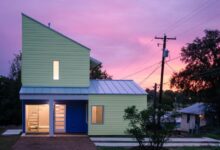
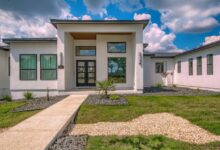
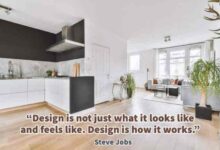
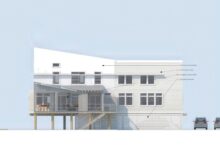
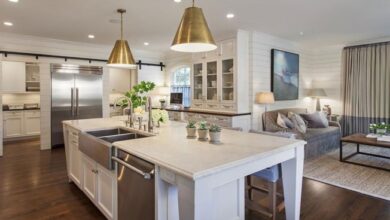
Open concept home design is a modern architectural approach that emphasizes open spaces, minimizing the use of walls and barriers between different areas of a home. This style creates a fluid, airy environment, often combining living, dining, and kitchen areas into one cohesive space. The primary features of open concept design include wide, unobstructed areas that facilitate easy interaction and movement among family members and guests.The concept of open layouts gained traction in the mid-20th century, particularly post-World War II, when there was a shift in societal norms towards a more casual lifestyle.
Families began to prioritize communal spaces for social interaction over traditional, segmented rooms. The evolution continued through the 1980s and 1990s, with architects and homeowners embracing minimalism and functionality, leading to the contemporary open concept designs we see today.
Advantages of Open Concept Design
Open concept layouts offer numerous benefits that appeal to modern homeowners. The primary advantages include:
- Enhanced Social Interaction: With fewer walls, family members can easily communicate and interact, making it ideal for hosting gatherings.
- Natural Light Maximization: Open spaces allow for better light flow, brightening the home and reducing the need for artificial lighting.
- Flexibility in Space Usage: Areas can be reconfigured easily for various activities, accommodating changing needs over time.
- Perceived Size: Open designs can create a sense of spaciousness, making smaller homes feel larger and more inviting.
Disadvantages of Open Concept Design
While there are many advantages, open concept designs also present certain drawbacks that homeowners should consider. Some key disadvantages include:
- Noise Levels: Without walls to absorb sound, noise can travel freely throughout the space, creating a potentially chaotic environment.
- Lack of Privacy: Individual spaces may feel compromised, making it challenging to find a quiet retreat in busy households.
- Difficulty in Temperature Control: Open areas can make it harder to regulate temperatures, leading to inefficiencies in heating and cooling.
- Design Challenges: Furnishing and decorating open spaces can be more complex, as one must consider how different zones flow into each other aesthetically.
“Open concept living can foster a sense of community and togetherness, but it may also require thoughtful design to mitigate its challenges.”
Key Elements of Open Concept Design
Open concept home design is characterized by its seamless integration of spaces, allowing for fluid movement and interaction within the home. The key elements that define this design philosophy contribute to a sense of openness, functionality, and aesthetic appeal. Understanding these elements helps homeowners and designers create harmonious living environments that promote both comfort and style.
Space Planning and Flow, Open concept home design
Effective space planning is crucial in open concept design, as it establishes the relationship between different areas within the home. This design typically eliminates walls that once separated rooms, creating a large, unified space. Essential elements of space planning include:
- Defined Zones: Even in an open layout, it’s important to define areas for specific activities, such as dining, cooking, and relaxing. This can be achieved through furniture arrangement, area rugs, or varying ceiling heights.
- Traffic Flow: A good layout facilitates natural movement throughout the space, allowing occupants to transition easily from one area to another.
- Functional Layout: The kitchen, dining, and living areas should be arranged to support social interaction and efficiency, particularly in homes where entertaining is a priority.
Natural Light
Natural light plays a pivotal role in open concept designs, significantly enhancing the ambiance and feel of the space. By incorporating ample windows and strategic placements, open concept homes allow sunlight to flood in, offering numerous benefits:
- Visual Connection to the Outdoors: Large windows or sliding glass doors create a seamless connection between indoor and outdoor spaces, fostering a sense of tranquility and openness.
- Enhanced Mood and Well-being: Natural light has been shown to improve mood, increase productivity, and even promote better sleep patterns, making homes feel more inviting.
- Energy Efficiency: Maximizing natural light can reduce the need for artificial lighting during the day, contributing to energy savings and a lower carbon footprint.
Color Schemes and Materials
The choice of color schemes and materials is fundamental in establishing harmony within an open concept home. These elements work together to create a cohesive look that enhances the overall aesthetic.
- Color Palette: A unified color palette helps to visually tie different zones together. Soft neutrals, for instance, can create a calm atmosphere, while bold accent colors can highlight specific areas.
- Material Selection: Natural materials like wood, stone, and metal can add depth and texture to the space, making it feel warm and inviting.
- Consistency: Consistent use of colors and materials throughout the home prevents a fragmented appearance and maintains visual continuity, essential in open spaces where multiple areas are visible at once.
Planning an Open Concept Space
Creating an open concept space requires thoughtful planning and consideration to maximize functionality while encouraging interaction. This approach not only enhances the aesthetic appeal of a home but also fosters a sense of community within the living space. Here’s how to effectively plan your open concept area to achieve the best results.
Assessing Space for Open Concept Layout
Before diving into an open concept design, assessing your existing space is crucial. Understanding the layout, natural light sources, and existing architectural features will inform your design decisions. Here are some methods to help evaluate your space:
- Measurements: Take accurate measurements of the rooms you wish to open up. This includes walls, windows, doors, and any fixed features such as fireplaces or built-in shelves.
- Traffic Flow: Observe the flow of movement within your current layout. Identify high-traffic areas to ensure that your new design will accommodate easy navigation.
- Light and Ventilation: Determine where natural light enters your space. Consider how removing walls will impact the flow of light and air throughout the home.
- Functionality: List the primary activities that will occur in the space. Understanding how you use the area daily will guide your layout decisions.
Creating a Functional Layout
A well-thought-out layout is essential in an open concept design to enhance interaction while maintaining functionality. To achieve this, consider the following steps:
- Define Purpose: Clearly define the purpose of each area in your open concept space. For example, differentiate between cooking, dining, and lounging spaces.
- Proximity: Arrange furniture and elements to keep related activities close to one another. For instance, place the dining table near the kitchen for convenience.
- Seating Arrangements: Create inviting seating arrangements that promote conversation. Use sofas, chairs, and even ottomans to encourage interaction without barriers.
- Visual Anchoring: Use rugs or furniture placement to create visual anchors for different areas, helping to define spaces within your open layout.
Zoning Techniques for Open Spaces
Zoning is a vital technique in open concept design, allowing you to differentiate areas while maintaining an airy feel. Effective zoning can be achieved through various methods:
- Furniture Arrangement: Use furniture as a barrier to define spaces. For example, a sofa can separate the living area from the dining area without the need for walls.
- Color Palette: Employ distinct color schemes or wall treatments for different zones. Soft hues can create a cohesive look while still offering visual separation.
- Lighting: Implement varied lighting sources to distinguish areas. Pendant lights over a dining table can create a distinct dining zone, while softer lamps in the seating area emphasize relaxation.
- Architectural Features: Consider adding partial walls, columns, or beams to segment the space without fully enclosing it. These features can enhance visual interest while providing subtle separation.
“Open concept design thrives on the balance of openness and definition; mastering this balance creates inviting, functional spaces.”
Furniture and Decor in Open Concept Designs
Source: thig.pro
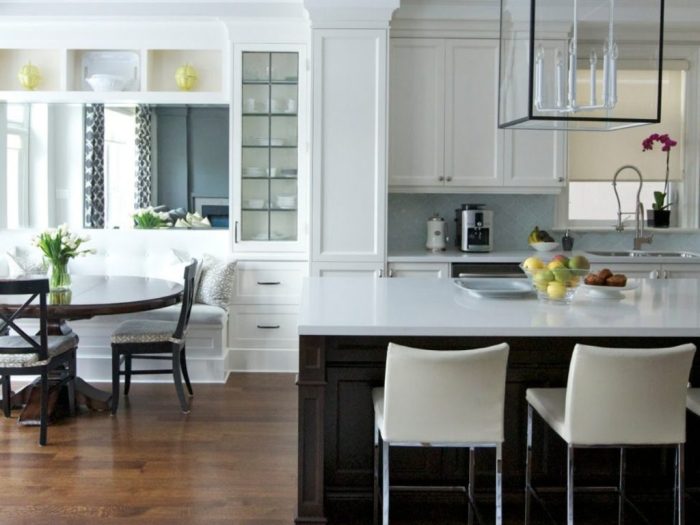
Selecting the right furniture and decor for an open concept home is crucial, as these choices greatly influence the overall flow and functionality of the space. With fewer walls to define areas, the furniture must not only be aesthetically pleasing but also serve multiple purposes. Here’s a guide to help you navigate the essentials of furnishing and decorating in an open concept design.
Guide for Selecting Furniture in Open Concept Spaces
When furnishing an open concept space, it’s essential to choose pieces that not only complement each other but also fit the overall theme of the home. Look for furniture that can create distinct areas without the need for physical barriers. Consider the following factors:
- Scale and Proportion: Ensure that the furniture fits well within the space. Oversized sofas can make a room feel cramped, while too-small pieces may get lost in larger areas.
- Style Cohesion: Maintain a consistent style throughout different areas. This could be achieved by using a similar color palette or material across furniture pieces.
- Versatility: Opt for items that can easily adapt to various functions. Think about tables that can double as workspaces or chairs that provide extra seating when hosting guests.
Impact of Decor Choices on Ambiance
Decor significantly impacts the ambiance of an open concept home, as it helps to delineate spaces and add personality. The right decor can create warmth and intimacy, even in expansive layouts. Here are some key aspects to consider:
- Color Schemes: Use a palette that flows seamlessly from one area to another. Lighter shades can make spaces feel more expansive, while deeper colors can create cozy nooks.
- Textiles: Layering different materials, like rugs, cushions, and throws, contributes texture and comfort. Choose fabrics that are durable yet inviting.
- Art and Accessories: Artwork and decorative items should reflect personal style but also resonate with the overall theme. Large statement pieces can anchor a space, while smaller items can add interest.
Examples of Multi-Functional Furniture
In an open concept design, multi-functional furniture is a game changer, allowing for efficient use of space without sacrificing style. Here are some ideal examples:
- Sofa Beds: Perfect for accommodating guests without needing a separate guest room, a stylish sofa bed offers comfort during the day and transforms into a sleeping area at night.
- Ottomans with Storage: These versatile pieces can serve as footrests, extra seating, or even coffee tables. Many come with hidden compartments for stowing away blankets and magazines.
- Expandable Dining Tables: Ideal for small spaces, these tables can be adjusted to suit everyday use or expanded for larger gatherings, ensuring flexibility without clutter.
Challenges of Open Concept Homes
Open concept designs can create beautiful, airy spaces that foster interaction and a sense of togetherness, but they are not without their challenges. Homeowners often face issues related to noise, privacy, clutter, and maintaining visual separation of spaces. Understanding these challenges and exploring practical solutions can help maximize the benefits of open concept living while minimizing potential drawbacks.
Noise and Privacy Concerns
Open concept spaces tend to amplify noises, making it difficult to maintain a quiet environment. The absence of walls means sounds from the kitchen can easily reach the living area, disrupting conversations or relaxation. Privacy can also be an issue, especially in shared living spaces where family members or guests are present. To mitigate these concerns, consider the following strategies:
- Acoustic Panels: Installing decorative acoustic panels on walls can absorb sound and reduce noise levels while adding a design element.
- Textiles: Incorporating rugs, curtains, and upholstered furniture can help dampen sound and create a cozier atmosphere.
- Strategic Layout: Positioning furniture to create natural barriers can help delineate spaces and minimize sound travel.
Managing Clutter and Maintaining Organization
The open layout of these homes can often lead to visible clutter, which detracts from the overall aesthetic and can create a feeling of chaos. Keeping spaces organized is essential for both functionality and visual appeal. Adopting effective organization strategies can streamline your open concept design:
- Multi-functional Furniture: Invest in furniture that serves multiple purposes, such as ottomans with storage or coffee tables that can hold books and games.
- Defined Zones: Use rugs or furniture arrangements to define different areas, creating a natural flow while keeping items organized in their respective zones.
- Regular Decluttering: Establish a routine for evaluating and removing items that no longer serve a purpose, which can help maintain an orderly space.
Visual Separation of Spaces
Creating visual separation in an open concept home is essential for functionality and aesthetics. While walls can define spaces, open layouts require creative solutions to achieve a similar effect without closing off the area.Consider these techniques for visually separating spaces:
- Furniture Arrangement: Positioning furniture to face each other or in a way that directs traffic can naturally separate areas without physical barriers.
- Color Blocking: Use different paint colors or wallpaper in adjoining areas to create distinct atmospheres and define spaces visually.
- Decorative Screens: Incorporating decorative room dividers or screens can create a stylish way to delineate spaces without permanent structures.
The key to a successful open concept home lies in balancing space and function, ensuring that each area serves its purpose while maintaining a cohesive flow throughout the design.
Case Studies of Successful Open Concept Homes
Open concept home designs have gained immense popularity for their ability to create spacious, airy environments that foster social interaction and flow between different living areas. This section highlights notable examples of open concept homes from various regions, showing how diverse architectural styles successfully implement these layouts. Feedback from homeowners provides insight into the lifestyle benefits and challenges of living in such spaces.
Notable Open Concept Home Designs
Exploring successful open concept homes reveals a variety of innovative designs that cater to different tastes and lifestyles. Below are three notable examples from different regions:
- Modern Beach House in California: This stunning coastal home features floor-to-ceiling windows that offer breathtaking ocean views. The layout merges the kitchen, dining, and living areas into one vast space, creating a perfect setting for entertaining guests. The use of natural materials like wood and stone enhances the organic feel of the home, while sliding doors open to a spacious deck, extending the living area outdoors.
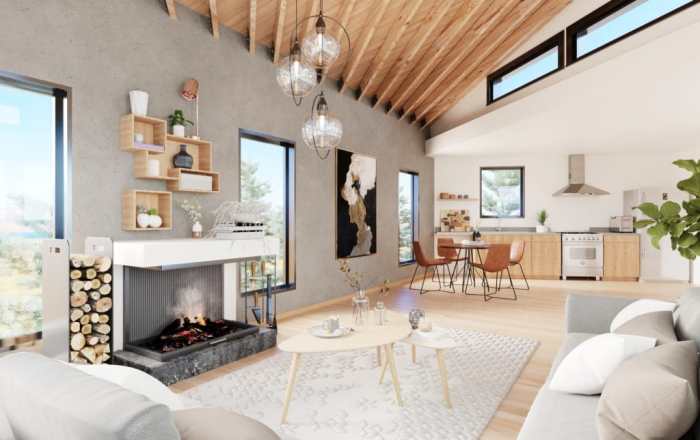
- Rustic Cabin in the Canadian Rockies: Emphasizing natural charm, this cabin combines a modern open concept with rustic elements. The living area flows seamlessly into the kitchen, where a large island serves as both a cooking space and a dining area. Exposed beams and a stone fireplace add warmth, while large windows frame the stunning mountain scenery, blending indoor comfort with outdoor beauty.
- Scandinavian-Inspired Home in Sweden: Characterized by minimalist design, this home showcases a clean and functional open layout. The bright, airy spaces are accentuated by a neutral color palette and clever storage solutions. The open concept encourages family interaction, with the kitchen, dining, and living areas designed to promote togetherness, even during meal preparations.
Architectural Styles Utilizing Open Concept Layouts
Different architectural styles effectively employ open concept designs, showcasing versatility and adaptability across various aesthetics. These styles include:
- Contemporary Architecture: Combining sleek lines and innovative materials, contemporary homes often feature open concepts that enhance natural light and connectivity among spaces, resulting in a modern, uncluttered feel.
- Mid-Century Modern: This iconic style emphasizes simplicity and integration with nature. Open layouts in mid-century homes promote fluidity between indoor and outdoor spaces, often complemented by large windows and sliding glass doors.
- Industrial Design: Characterized by exposed structures and raw materials, industrial-style open concept homes create a vibrant atmosphere. High ceilings and spacious areas bring a loft-like feel, making them ideal for urban living.
Homeowner Feedback on Open Concept Living
Homeowners who have embraced open concept designs often share valuable insights about their experiences. Their feedback highlights both the advantages and some challenges of this living arrangement.
“Living in an open concept home has transformed the way we interact as a family. We can cook, dine, and relax together without feeling isolated in separate rooms.”
California homeowner
Many homeowners appreciate the spaciousness and versatility of open layouts, citing benefits such as enhanced communication and the ability to host gatherings effortlessly.
“The openness makes our small house feel much larger, but it does require some thoughtful organization to keep everything tidy.”
Swedish homeowner
However, some challenges arise, particularly concerning noise levels and privacy. Homeowners often express the need for creative solutions to maintain a balance between open living and personal space.
Future Trends in Open Concept Design
Source: shutterstock.com
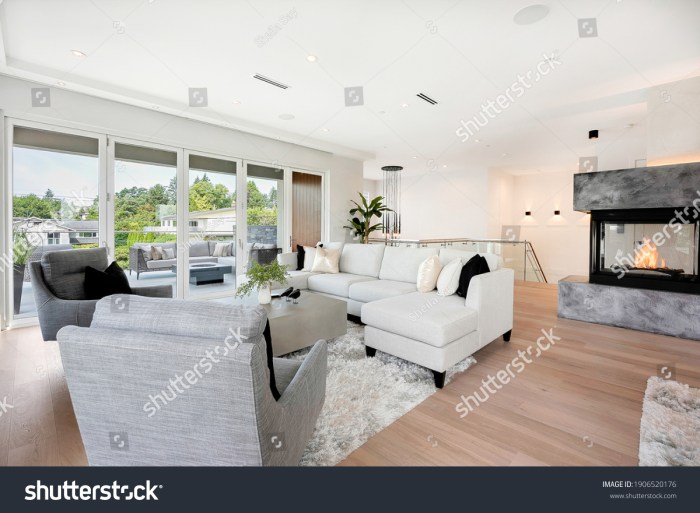
The future of open concept home design is set to be a fascinating blend of innovation, functionality, and lifestyle adaptability. As the way we live continues to evolve, so too does our approach to interior spaces, leaning toward designs that foster connection, sustainability, and technology integration. This section explores emerging trends in open concept living, focusing on how they redefine our environments and interactions within them.
Emerging Trends in Open Concept Design
The shift towards open concept designs is not just a fleeting trend; it’s evolving in response to our changing lifestyles and needs. Key emerging trends include multi-functional spaces, sustainable materials, and tailored layouts that cater to diverse activities. These elements not only enhance the aesthetics but also improve the functionality of homes, making them more suitable for modern living.
- Flexible Spaces: Homes are increasingly designed to serve multiple purposes. This flexibility allows rooms to be transformed easily for work, leisure, or entertainment, reflecting the diverse activities of daily life.
- Sustainability: Eco-friendly materials and energy-efficient designs are gaining traction. Homeowners are prioritizing sustainability, incorporating features like natural materials, solar panels, and efficient HVAC systems to reduce their carbon footprint.
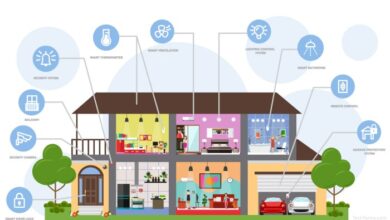
- Smart Technology Integration: As technology becomes more integrated into our lives, open concept homes are adopting smart features. This includes automated lighting, temperature control, and security systems that can be controlled via apps, enhancing convenience and security.
Technological Advancements Enhancing Open Concept Living
Technology plays a pivotal role in shaping the future of open concept design, offering solutions that maximize space and improve quality of life. Innovations in home automation, smart appliances, and connectivity make it easier to create seamless environments that adapt to individual needs.
- Smart Home Systems: These systems allow homeowners to control lighting, temperature, and security with ease. For example, voice-activated devices can manage multiple aspects of a home, creating a more user-friendly environment.
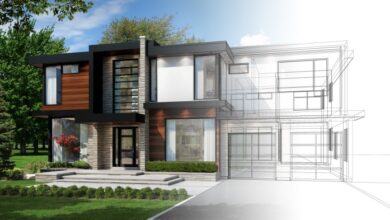
- Augmented Reality (AR) in Design: AR tools enable homeowners and designers to visualize spaces before they are built. This technology facilitates better planning and ensures that open spaces are optimized for functionality and style.
- Wireless Technology: The shift towards wireless solutions reduces clutter and enhances the aesthetic appeal of open spaces. This technology supports a cleaner design while ensuring that homes remain connected and functional.
Predictions for the Future of Interior Design regarding Open Spaces
Looking ahead, the future of interior design in open spaces will likely be marked by a continued emphasis on adaptability, personalization, and sustainability. Homeowners will seek designs that reflect their lifestyles while promoting well-being and environmental responsibility.
- Increased Customization: Future designs will focus on highly customizable spaces that cater to individual preferences, encouraging personal expression and unique living experiences.
- Health and Wellness Focus: The integration of biophilic design principles, which connect residents with nature, will become a standard. Features like indoor gardens and natural light optimization are expected to enhance overall well-being.
- Community-Centric Designs: As remote work and community engagement rise, open concepts will adapt to encourage both privacy and interaction, fostering a sense of community within private spaces.
“The home of the future is not just a living space; it’s a responsive environment that enhances our lives and connects us to our surroundings.”
Conclusive Thoughts: Open Concept Home Design
In conclusion, Open concept home design embodies a modern approach that balances style and functionality, making it a favorite among many homeowners. The ability to customize layouts, utilize natural light, and enhance interaction among family members are just a few of the benefits this design offers. As trends continue to evolve, staying informed about both the challenges and innovations in open concept living will ensure your space remains both practical and inviting.
Helpful Answers
What are the main benefits of open concept home design?
Open concept home design promotes a sense of spaciousness, encourages social interaction, and maximizes natural light throughout the living areas.
How does open concept design impact furniture placement?
Furniture placement in open concept spaces requires careful consideration to create defined areas while ensuring flow and functionality.
Can open concept homes be kid-friendly?
Yes, open concept homes can be kid-friendly with strategic zoning and the use of durable materials that can withstand everyday wear from children.
How can I manage noise in an open concept space?
Managing noise can be achieved by using area rugs, soft furnishings, and strategic placement of furniture to create barriers that absorb sound.
Is open concept design suitable for small homes?
Absolutely! Open concept design can make small homes feel larger and more inviting by eliminating unnecessary walls and barriers.